Portuguese
  Spanish


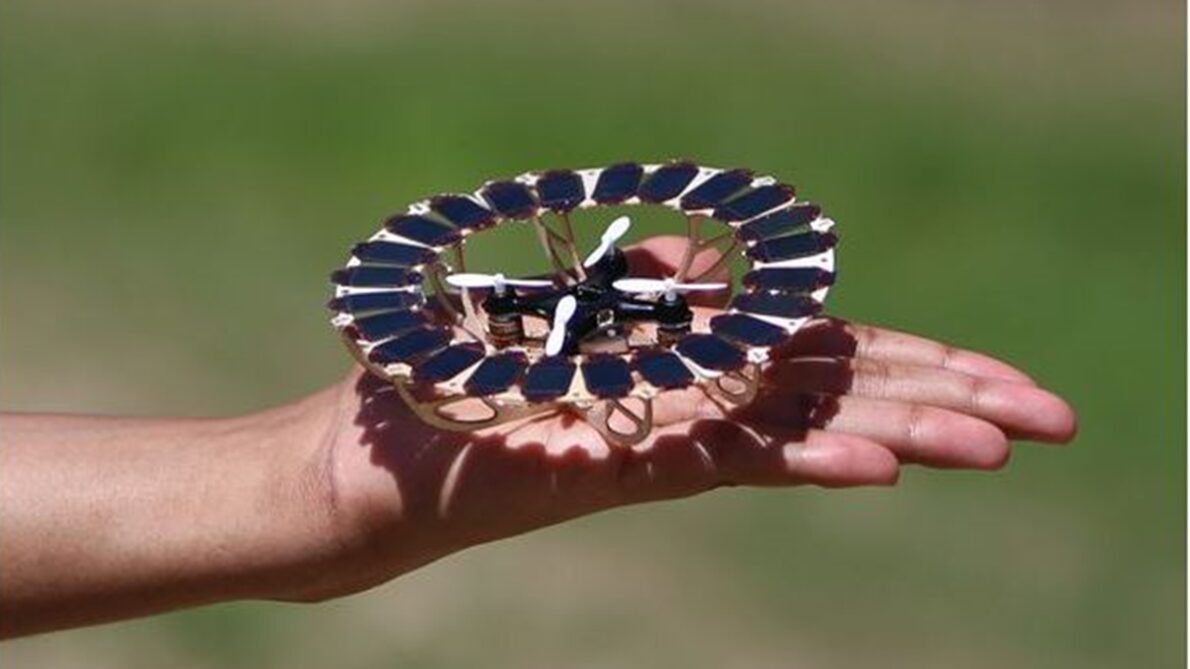

Explore The Cutting Edge Of Technology With Quasi-2D Perovskite Solar Cells. Lightweight And High Energy Efficiency For Futuristic Applications In Drones And More
The world of aviation is undergoing a revolutionary transformation thanks to the development of sustainable technologies. Recently, researchers from Johannes Kepler University in Linz, Austria, made a significant step towards autonomous and eco-friendly aviation with the creation of ultra-light and flexible solar cells that could change the way we generate and use energy.
Cutting-Edge Technology In Solar Cells
At the Department of Soft Matter Physics and the LIT Soft Matter Laboratory, under the leadership of Prof. Martin Kaltenbrunner, and at the Linz Institute of Organic Solar Cells, led by Prof. Niyazi Serdar Sariciftci, a significant breakthrough has been achieved. The researchers developed quasi-2D perovskite solar cells that are not only extremely lightweight but also offer an unprecedented power output of up to 44 watts per gram, along with a comparatively high level of stability.
These solar cells, with a thickness of less than 2.5 micrometers—twenty times thinner than a human hair—demonstrate an impressive efficiency of 20.1% and a power density of 44 W/g. Their flexibility and lightness make them ideal for a variety of applications, from portable electronics to the Internet of Things, powering the next generation of self-sufficient energy systems.
-
In Colombia’s desert, 30 families receive 80 m² homes with solar panels, waterless toilets, and rainwater collection systems amid water and energy shortages.

-
Solar Energy Booms in Brazil: Over $60 Billion Invested, 68.8 GW Capacity, 2 Million Jobs Created, Now Second in National Power Grid
-
Engie Secures 10-Year Use of 625 MWh in Batteries to Store Excess Solar and Wind Energy in Spain by 2028
-
Giant Batteries Take Center Stage in Chile Auction as Company Offers 960 GWh of Solar Energy for Nighttime Use, Aiming to Stabilize Solar Power Supply



Solar-Powered Drones In Action
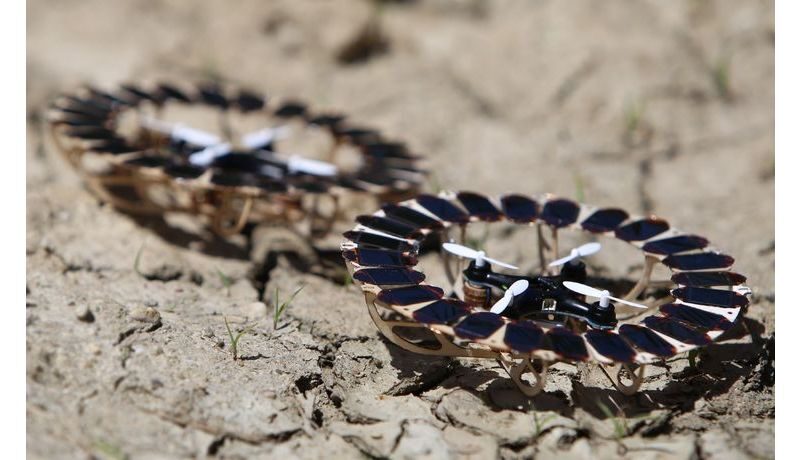
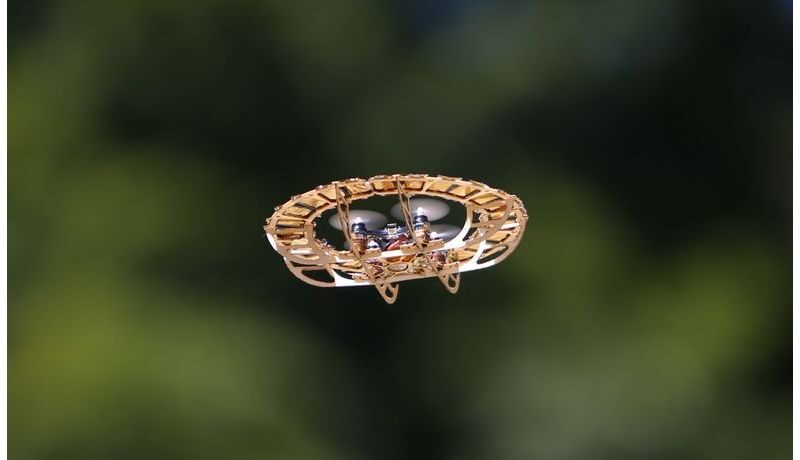
To demonstrate the capabilities of this new technology, the researchers equipped a palm-sized commercial quadcopter drone with these ultra-light solar cells. Seamlessly integrated into the drone’s structure, these cells account for only 1/400 of the total weight of the device.
This setup allowed the drone to operate autonomously and perform consecutive charge-fly-charge cycles without the need for recharging with cables, highlighting the efficiency and sustainability of the solar cells.
Beyond Our Planet
The potential of these technologies goes beyond Earth. Recently, the Mars helicopter “Ingenuity” demonstrated the importance of self-sufficient solar aviation by being the first aircraft to be launched from Earth and land on another planet. Future applications may include search and rescue operations, large-scale mapping, solar power generation in space, and exploration of the solar system.
The development of quasi-2D perovskite solar cells not only marks a milestone in photovoltaic technology but also demonstrates a commitment to sustainable innovation in aviation. Published in the journal Nature Energy, this study reflects not only a technical advancement but also aligns science with global efforts for a greener and more sustainable future. As these technologies develop and improve, the dream of fully self-sufficient and environmentally friendly aviation comes closer to reality.
Source: www.jku.at