






 Portuguese
  Spanish


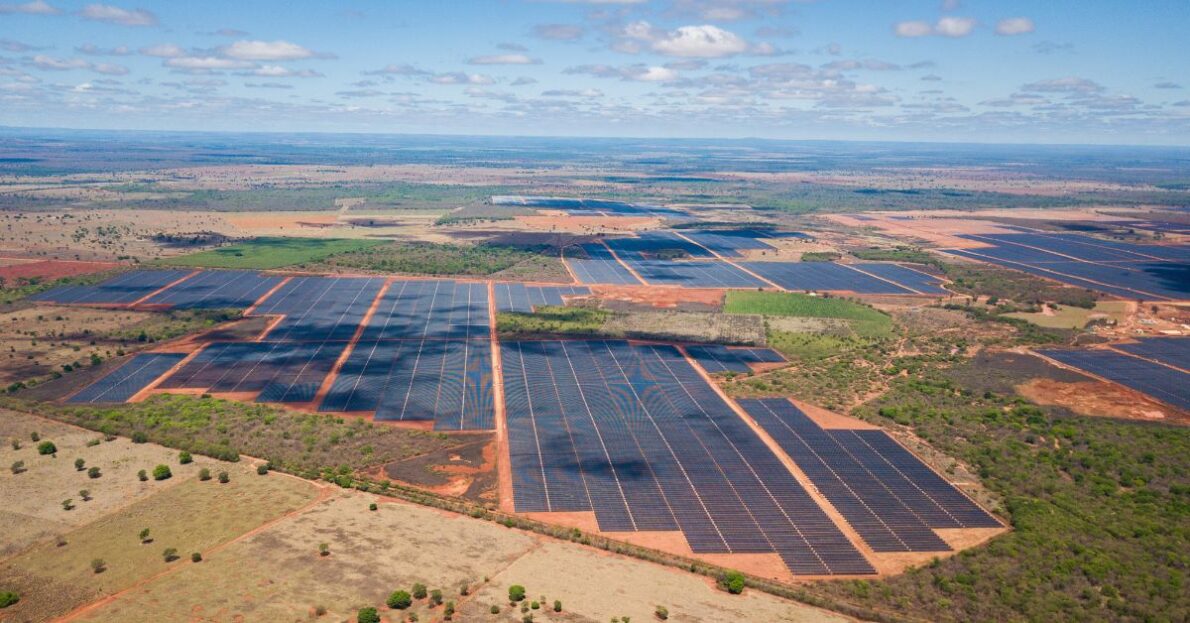

The Largest Solar Plant in Latin America, With a Capacity of 1.2 GW, Supplying Over 1.5 Million Homes With Solar Power
Solar energy is one of the most sustainable and cleanest sources of energy in the world. Unlike other energy sources, such as fossil fuels, solar energy does not emit polluting gases or use scarce natural resources. For this reason, large solar farms are being built around the world, some so big that they can be seen from space.
Meet the New Largest Photovoltaic Farm in Brazil and One of the Largest in the World


The Largest Photovoltaic Plant in Latin America
Recently, Brazil inaugurated the largest solar plant in Latin America and one of the largest in the world. This farm has a generation capacity of 1.2 gigawatts (GW), equivalent to supplying a city with over 1.5 million residences. The project was carried out by Elera Renováveis and consists of 20 solar parks spread over an area of 3,000 hectares. This plant is located in the city of Janaúba, about 550 km north of Belo Horizonte. Janaúba is known for having high solar radiation and low cloud cover, making it one of the best regions in Brazil for solar energy generation.
-
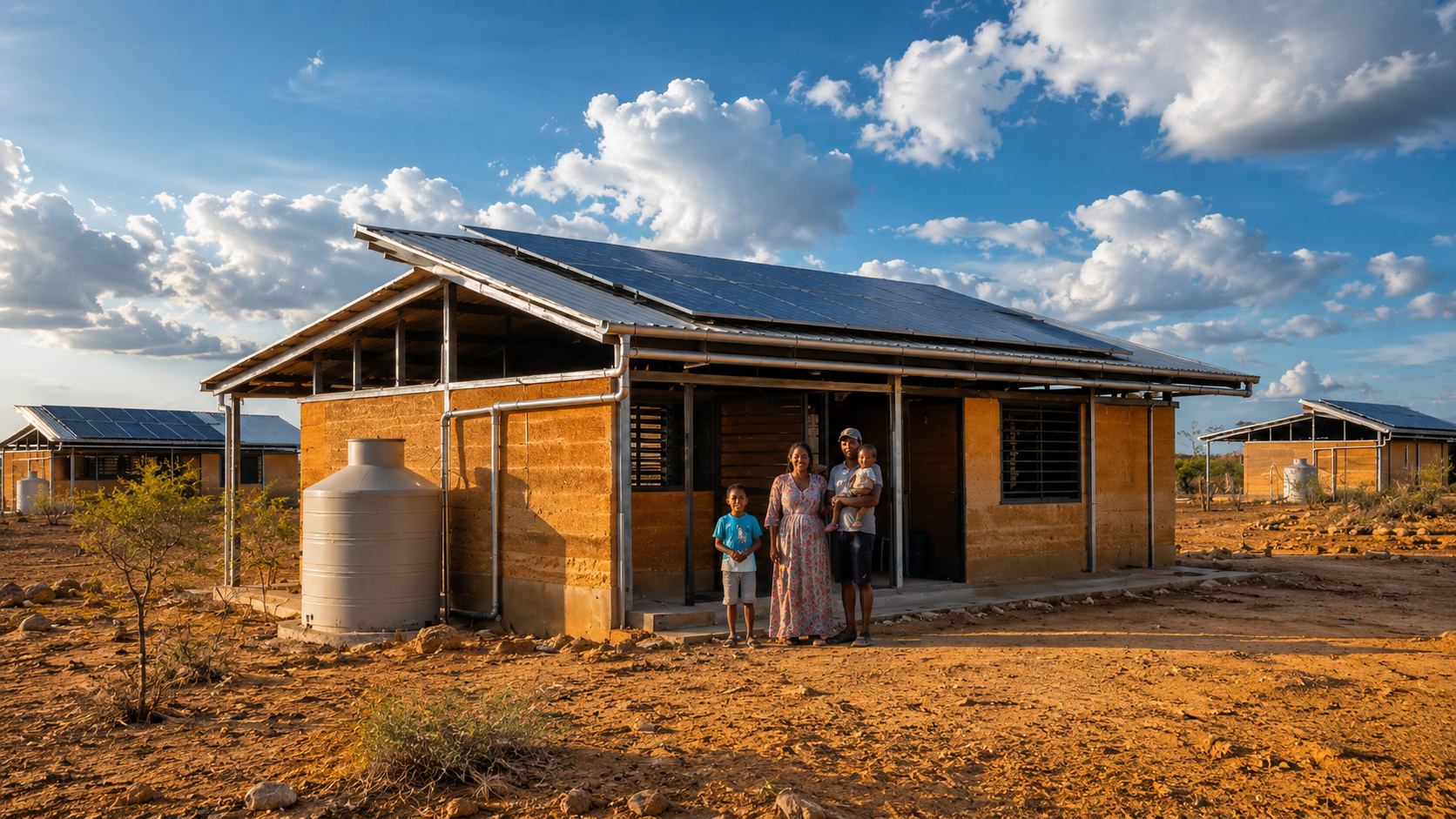
In Colombia’s desert, 30 families receive 80 m² homes with solar panels, waterless toilets, and rainwater collection systems amid water and energy shortages.

-
Solar Energy Booms in Brazil: Over $60 Billion Invested, 68.8 GW Capacity, 2 Million Jobs Created, Now Second in National Power Grid
-
Engie Secures 10-Year Use of 625 MWh in Batteries to Store Excess Solar and Wind Energy in Spain by 2028
-
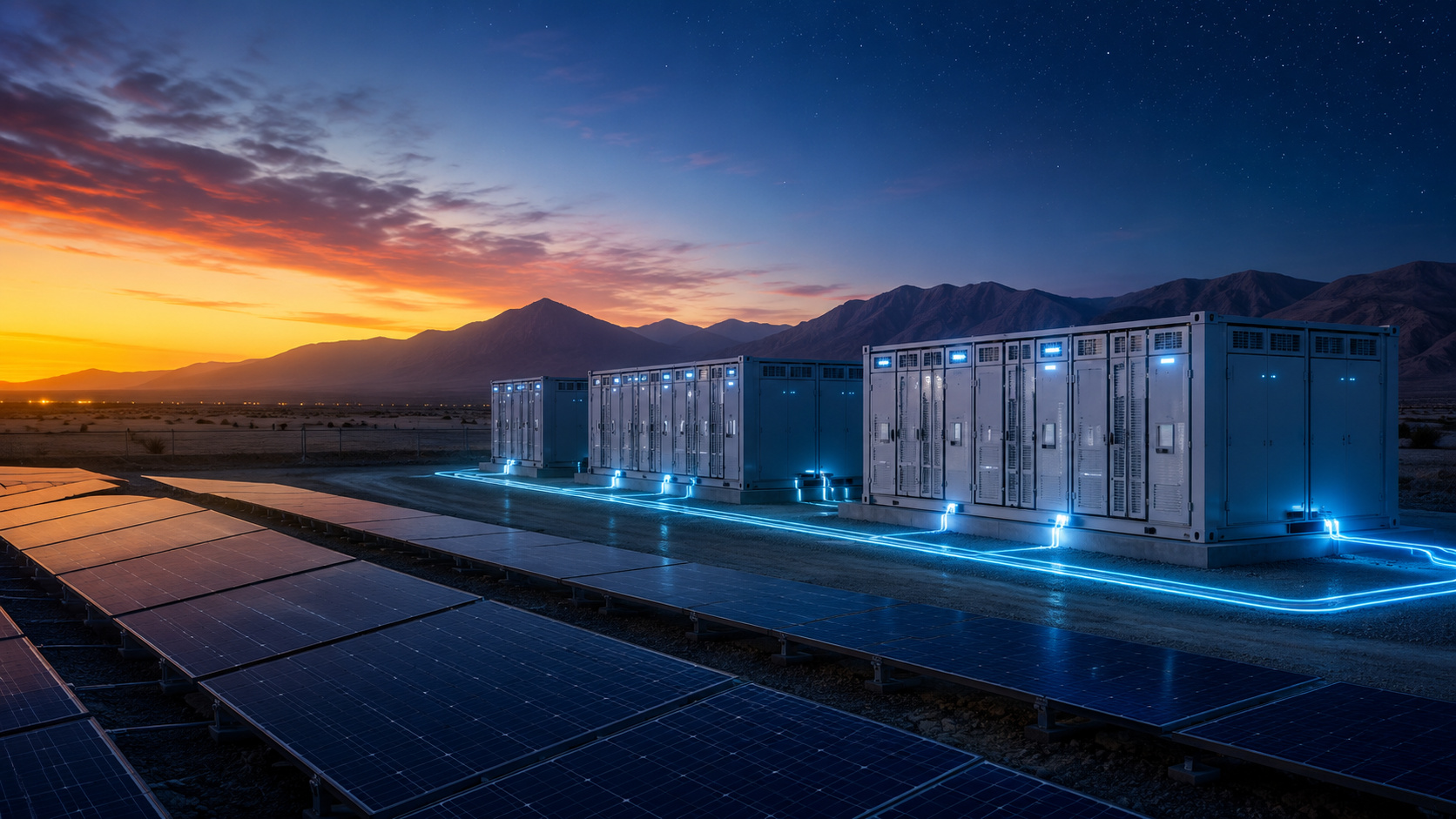
Giant Batteries Take Center Stage in Chile Auction as Company Offers 960 GWh of Solar Energy for Nighttime Use, Aiming to Stabilize Solar Power Supply


In addition, the construction of this complex generated about 11,000 direct and indirect jobs, mainly benefiting local residents. It is important to highlight that the state of Minas Gerais was the first in Latin America to join a global initiative aimed at neutralizing net greenhouse gas emissions by 2050. Solar energy, being clean and renewable, plays a fundamental role in this goal.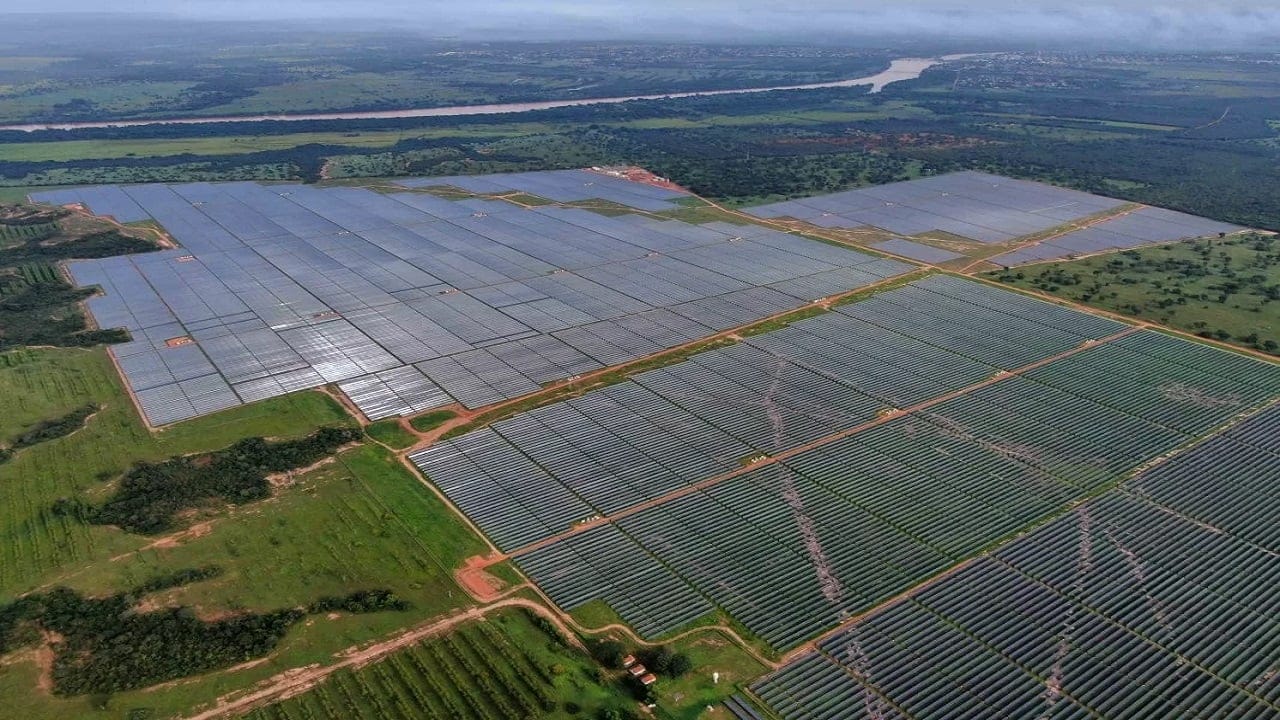
Other Large Photovoltaic Plants in Brazil
In addition to the Janaúba plant, Brazil has other important solar farms. The second largest is located in São Gonçalo do Gurguéia, in the state of Piauí, with a capacity of 864 megawatts (MW) and an investment of 2.2 billion reais. On the other hand, the third largest plant is located in Juazeiro, in the state of Bahia. These projects demonstrate the growth and potential of Brazil in the field of solar energy. Besides being a clean and sustainable source of energy, solar power also drives economic development and job creation in the country.









Energia **** essa. Painel solar é interessante pra aproveitar áreas sem utilidades como telhados e faixadas. Agora, a terra já tão precionada pela agropecuária tem que receber mais esse tipo de ideia ****.