






 Portuguese
  Spanish



Discover How Radiation in Chernobyl Influenced Animals in the Exclusion Zone, Leading to Mutations, Adaptations, and Surprising Scientific Discoveries to This Day.
Decades After the Worst Nuclear Disaster in History in Chernobyl, wild animals Continue to Reveal Profound Impacts of Radiation on Wildlife.
Researchers, in recent studies in Ukraine, Observed That Species Living in the Exclusion Zone Have Undergone Genetic and Behavioral Changes That May Reflect Adaptations to Continuous Exposure to Radiation.
These Discoveries Help Not Only to Understand the Resilience of Ecosystems but May Also Have Implications for Modern Science and Medicine.
-
US Mayor Goes Undercover as Homeless for a Week to Understand Rising Homelessness, Sparking Debate in His City

-
Teen from Brazil Turns School Snack Sales into Million-Dollar Confectionery Business Projected to Earn Nearly $1.9 Million in 2024

-
Why Do Electrical Outlets and Switches Turn Yellow? Understanding the Impact of Light, Temperature, and Materials on Color Change
-
Former Brazilian laborer and ice cream vendor turns struggling company into $16.5 billion giant with 90,000 employees.


Chernobyl: The Exclusion Zone That Became a Natural Laboratory
After the Explosion of the Reactor at the Chernobyl Nuclear Power Plant in April 1986, Large Areas Around the Plant Were Evacuated and Remain Sparsely Populated by Humans to This Day.
With This, animals Became the Focus of Scientific Studies on How Wildlife Responds to High Radiation Environments.
Although Exposure to Radiation Is Known to Cause Biological Damage, Researchers Have Identified That Certain Animals Have Developed Unusual Characteristics — Some of Them Described by Scientists as Adaptations or Mutations Potentially Favored by Natural Selection.
Darker Frogs: Evolution in Action
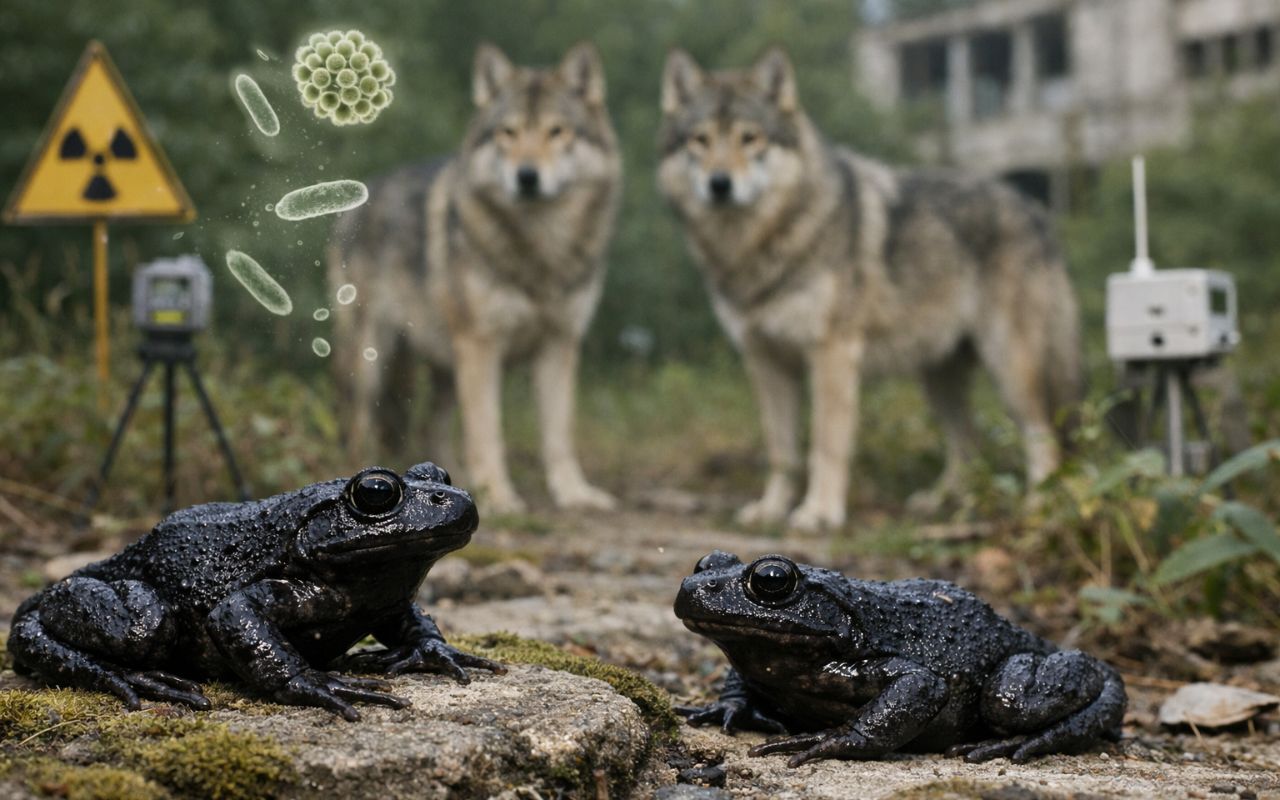
One of the Most Intriguing Examples of Chernobyl Is the Case of the Frogs Around the Plant. Instead of Remaining Green, Several Species of Frogs Have Developed a Much Darker Coloration.
Experts Believe That the More Intense Pigmentation Helps These Frogs Deal with Radiation, Since Melanin — the Pigment That Gives Color — May Offer Some Level of Biological Protection.
According to Researchers, This Change Did Not Happen Gradually Over Many Generations but Quickly, Soon After the Accident, When Radiation Levels were Higher.

Resistant Bacteria: Microscopic “Superpowers”
Another Group of Living Beings in Chernobyl That Has Caught Attention Are the Bacteria Found on the Wings of Swallows in the Region.
These Microorganisms Demonstrated a Much Greater Resistance to Gamma Radiation Than Their Counterparts Outside the Exclusion Zone.
In Studies Published in the Journal Scientific Reports, Scientists Noted That When Exposed to Radiation, These Bacteria Can Proliferate While Others Die or Suffer Severe Damage — a Clear Sign of Adaptation or Genetic Alteration Induced by Extreme Environmental Conditions.
Genetically Distinct Wolves and Resistance to Cancer
One of the Most Surprising Cases of animals in Chernobyl Involves the Wolves That Roam the Exclusion Zone.
Researchers Discovered That These Carnivores Appear to Have Altered Immune Systems, with Genetic Signs Associated with Resistance to Cancer.

What Once Sounded Like Science Fiction Is Now the Subject of Study: Understanding Which Genes Were Selected in Irradiated Wolves May Help in Understanding Biological Mechanisms Used in the Treatment of Human Diseases such as Cancer.
Wild Dogs: Distinct DNA and Scientific Debate
The Animals That Have Undergone Mutations After the Disaster in Chernobyl Also Include Dogs that Have Lived in the Exclusion Zone Since Human Evacuation.
One Study Analyzed the DNA of Hundreds of These Wild Dogs and Found Marked Differences Compared to Canine Populations from Other Regions.
Researchers Noted That Chernobyl Dogs are Genetically Distinct — a Finding That May Reflect Both Radiation and Other Factors Such as Inbreeding and Adaptation to a Hostile Environment.
Experts Warn That These Differences Do Not Always Mean Radiation-Induced Mutations, and Many Characteristics May Be the Result of Survival Requirements Outside of Human Contact.
What Chernobyl Teaches Us About Life and Adaptation?
Despite All Adversities, Wildlife in Chernobyl Flourishes in Unexpected Ways.
Studies Show That Various Species, Including Wolves, Frogs, and Bacteria, Have Discovered Biological Ways to Survive or Even Gain Adaptive Advantages from Chronic Exposure to Radiation.
This Phenomenon Does Not Mean That Radiation Is Benign — Far from It. However, the Absence of Humans and Evolutionary Pressure Have Created a Unique Scenario for Scientific Observation.
Almost Four Decades After the Disaster, Animals in Chernobyl Continue to Challenge Our Expectations of Biological Resilience.
The Mutations Observed in Some Species Not Only Help Scientists Understand Evolution Under Environmental Stress Better but May Also Provide Important Insights for Medicine and Evolutionary Biology.

In the Meantime, the Exclusion Zone Continues to Act as a Vast Natural Laboratory Where Life, Despite Being Marked by Human Tragedy, Finds Surprising Ways to Persist.
Source: Terra


