





 Portuguese
  English
  Spanish
  3 min of reading


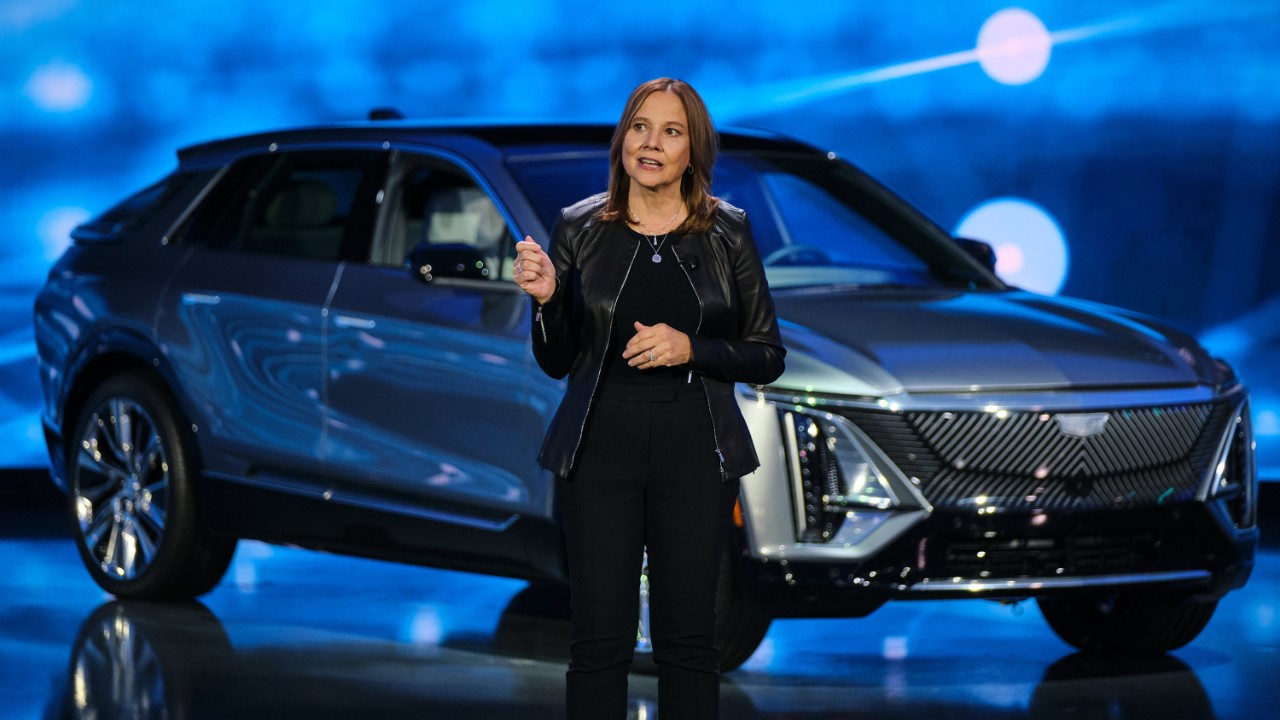
Action May Explain Automaker’s Intention to Invest Only in Electric Vehicles
In recent weeks, GM’s electrification policy in Brazil has faced harsh criticism, especially for its decision not to invest in hybrid cars. In the U.S., the automaker was heavily criticized for its electric pickups – Silverado and Hummer – for being environmentally unfriendly and dangerous, going against the renewable market.
Thus, during a seminar organized by Automotive Business earlier this month, the director of public relations and government affairs at General Motors Brazil stated that the company will move directly from combustion engine cars to electric vehicles, without investing in hybrid cars.
This decision may have been influenced by the American market, which is paying attention to electric cars instead of observing hydro cars. Thus, the engineering division at headquarters does not intend to further develop technology that incorporates both combustion and electric engines on the same platform.
-
Corolla for R$ 6,000 and luxurious 25% cheaper: Is it possible to buy cars in Paraguay and drive them in Brazil?

-
China witnesses a slump in car sales as electric and hybrid vehicles surpass 60%, highlighting the silent shift in the world’s largest automotive market.

-
Starting at R$ 210,000 and with a 2.8 turbo diesel engine of 204 hp, this 4×4 pickup received a discount of over R$ 55,000 for companies in June 2026 and became one of the most aggressive offers in the segment; Toyota Hilux for CNPJ
-
China has put millions of electric cars on the roads and now recycles up to 99.6% of used batteries, recovering lithium, nickel, and cobalt at levels that surpass Europe and the United States.

GM Director Criticized Due to the Exclusion of Hybrid Cars
During the seminar, presidents from Toyota, Stellantis, and the manufacturers’ association condemned GM’s decision. According to them, electrification is the future of automotive, however, they disagree that electric cars are the only way to achieve this goal. They believe that ethanol should be present in the global quest for CO2 emission reductions.
It was pointed out that GM pretends to ignore the importance of this fuel for decarbonization goals in Brazil and worldwide. Furthermore, the emission of pollutants from hybrid cars powered by ethanol is lower than that of electric vehicles, at least in Brazil. Additionally, the country has hybrid models that emit less than those in the U.S., as Brazilian electricity sources are cleaner than theirs.
Ethanol Is a Significant Step Towards Electrification
Next, the representative of Stellantis stated that the combination of biofuel with electrification is the smartest way for Brazil to achieve its decarbonization goals, and she also pointed out that it is the fastest way.
On the other hand, Toyota stated that electrification is not only the future of the planet but also the present. Thus, they advocated for different technologies for each country. For example, they noted that Toyota produces hybrid models (flex and plug-in), electric vehicles, and those with fuel cells. Furthermore, speculation suggests that Toyota is also developing hydrogen to power its combustion engines. Next, Limite Leita, a representative of Anfavea, pointed out that GM is going down the wrong path, as some markets have no alternative to electric vehicles, but Brazil does. For him, it is essential to combine electrification with ethanol.
GM May Face Limitations in Brazil
GM’s decision to eliminate hybrid cars may limit its market volume in Brazil, as electric vehicles will likely be niche cars, with very high prices due to their large range, or they will be compact and urban with smaller batteries to reduce costs. However, they will have less range. Additionally, there is the aggravating factor that several regions of the country still do not have a considerable number of charging stations.






Be the first to react!