





 Portuguese
  English
  Spanish
  4 min of reading
  0 comments


China Sets Record for Used Car Exports, But Faces Controversy: New Cars Are Being Registered as Used to Inflate Sales. Understand the Impact of This Practice on Global Trade.
At a time when the world closely watches the advancement of the Chinese automotive industry, a curious — and concerning — phenomenon is drawing attention: the accelerated growth in the export of used cars from China is being accompanied by allegations and suspicions about an unusual practice. New vehicles would be disguised as used to inflate domestic sales and penetrate new external markets, raising questions about the sector’s transparency and threatening the country’s international image.
With around 25 million new vehicles sold per year, China is by far the largest automotive market in the world. High turnover, combined with rapid technological obsolescence — driven by constant updates, especially in the electric vehicle segment — creates a massive inventory of used vehicles available for resale.
Chinese Used Car Exports Soar
With an eye on this surplus, the Chinese government has been promoting the opening of channels for the export of used cars, as a way to relieve the domestic market and generate income from depreciated assets. The numbers show that the plan has been successful: in 2023, about 275,000 used vehicles were exported; in 2024, this number jumped to 436,000 — a growth of 58.5% in just one year.
-
The motorcycle that stands on its own, without the rider needing to put their feet on the ground, has already moved from paper to prototypes by Honda and Yamaha in Japan, which use robotics and artificial intelligence, not heavy gyroscopes, to avoid tipping over.

-
Goodbye traditional minivans: the giant “Chinese Kombi” from Leapmotor arrives in stores with 5.28 meters, a battery of up to 115 kWh, and an electric version with a range of 720 km to transform the family car into an executive lounge on wheels in China.
-
A mechanic warns: Car air conditioning can hide bad odors, fungi, and strained parts if the driver ignores 5 simple care tips that make a difference in heat, cold, and even on long trips.

-
“Brazilian Elon Musk” unveils prototype of the Lecar 459, a car capable of running up to 1,000 km with a 165 hp electric motor and a hybrid system that dispenses with direct traction from the combustion engine.


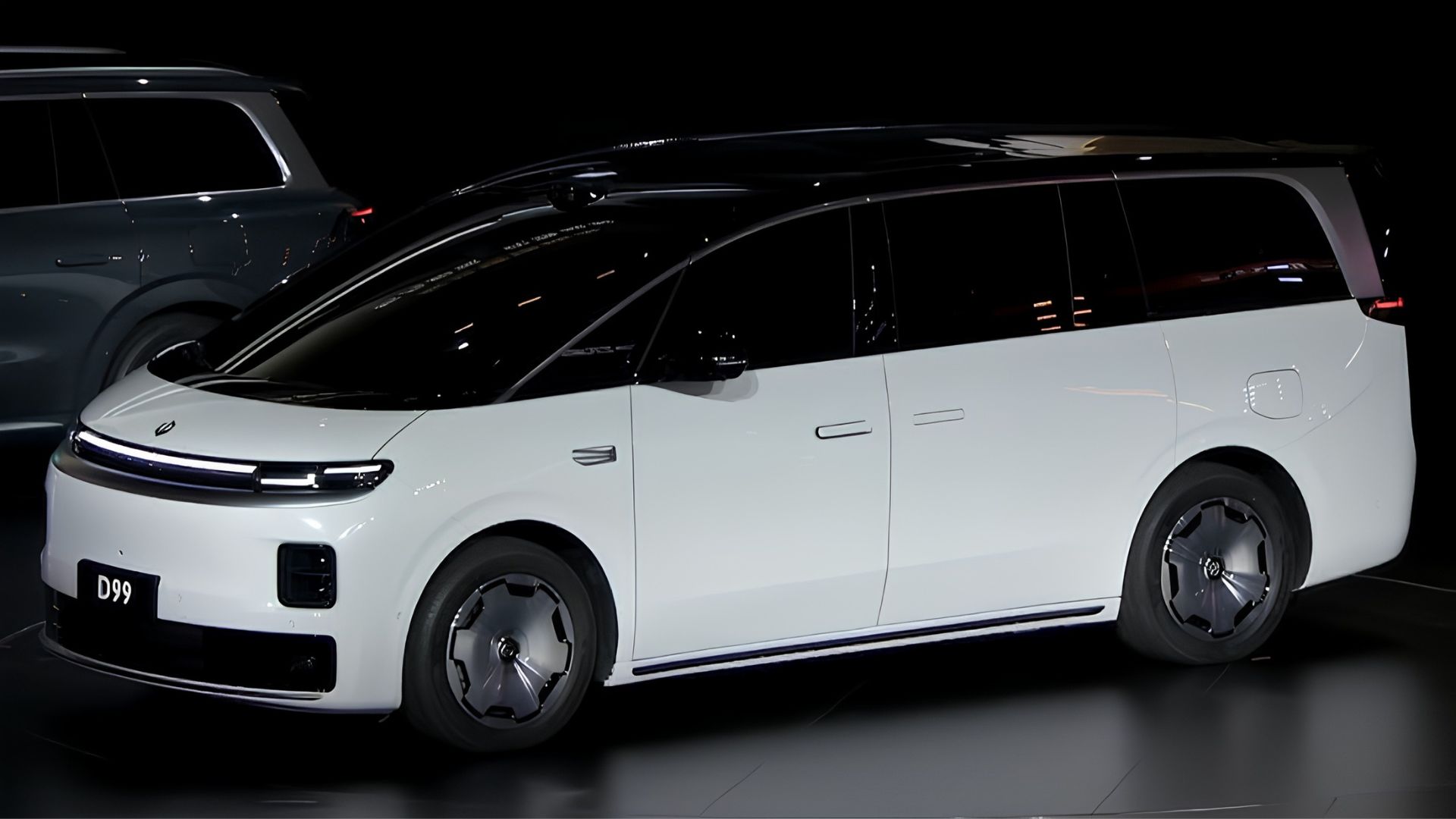


Markets such as Russia, Africa, Central Asia, and South America (where allowed) have been receptive to these cars, often more modern and cheaper than their European or American counterparts. With well-developed logistics infrastructure and ample industrial capacity, China appears to be becoming the new major hub for used cars in the world.
But there is a problem — and it lies at the starting point.
New Cars with a “Used” Look: What’s Happening?
To understand the controversy, one needs to know a detail about Chinese commercial dynamics. To meet sales targets and pressure competitors, some manufacturers may be registering new vehicles just to count them as sold — even if they were never delivered to a real customer. These “fictitiously used” cars sit idle in lots or showrooms for months — until they are sent abroad with the label of “second-hand car.”
This practice not only artificially inflates the numbers in the domestic market, but confuses the export landscape for used vehicles. Buying countries are starting to question: are they really purchasing used cars? Or are they receiving technically new vehicles, but registered as used?
This type of “makeover” could compromise the reliability of the Chinese automotive industry and pose fiscal, commercial, and even environmental risks in destination countries.
Chinese Government Tightens Export Rules for Vehicles
Aware of the risk to its international image, the Chinese government has decided to take action. In recent months, new regulatory norms have begun to take effect, aimed at standardizing the export process and ensuring that only truly used vehicles — and in good technical condition — leave the country.
Now, for each vehicle exported, a third type of technical certification is required, in addition to stricter requirements regarding safety, emissions, and usage history. Vehicles with mechanical issues, manipulated mileage, or irregular documentation are being blocked at the exit ports.
Furthermore, Chinese authorities want to prevent the shipment of “almost new” vehicles disguised as used from undermining the trust of international buyers, especially in strategic markets such as the Middle East, Africa, and Southeast Asia.
The Inventory of New Cars that Fuels Doubt
According to recent data, China has about 3.5 million new vehicles in stock. Some of these vehicles may have been sitting for months — or even years — without being driven, waiting for a destination. This helps fuel the suspicion that many of these “stale” models are being directed for export under the label of used cars, raising questions about transparency and ethics in business practices.
Although the Chinese market is dynamic and has a high volume of production, maintaining such high inventories may indicate an imbalance between supply and demand, or even an excess of confidence from manufacturers. The risk, in this scenario, is attempting to correct this imbalance with solutions that, while creative, can undermine the credibility of the production chain.
Brazil Out of the Game (For Now)
It is worth noting that importing used cars into Brazil is prohibited, except in very specific cases, such as collector vehicles over 30 years old or change of residence. This means that Brazil, despite being a large consumer market, is not directly participating in this new boom of used car exports from China.
Still, the topic is relevant, as it illustrates a broader movement: China does not want to be just the largest producer of new cars in the world — it also wants to dominate the used car market, including for its electric and hybrid models, which already compete in price with entry-level models in Brazil and Europe.
For a country that aims to lead the automotive energy transition, China cannot afford to lose the trust of its trading partners. While it seeks to expand its export market, it needs to ensure that practices such as the misuse of registrations and the forced classification of new cars as used do not become an accepted standard — either domestically or abroad.
More than just a logistical or fiscal issue, this identity crisis of the “almost new” Chinese car is a reputational problem. And in this field, the damages take much longer to reverse.







Be the first to react!