






 Portuguese
  Spanish
  3 min of reading
  0 comments


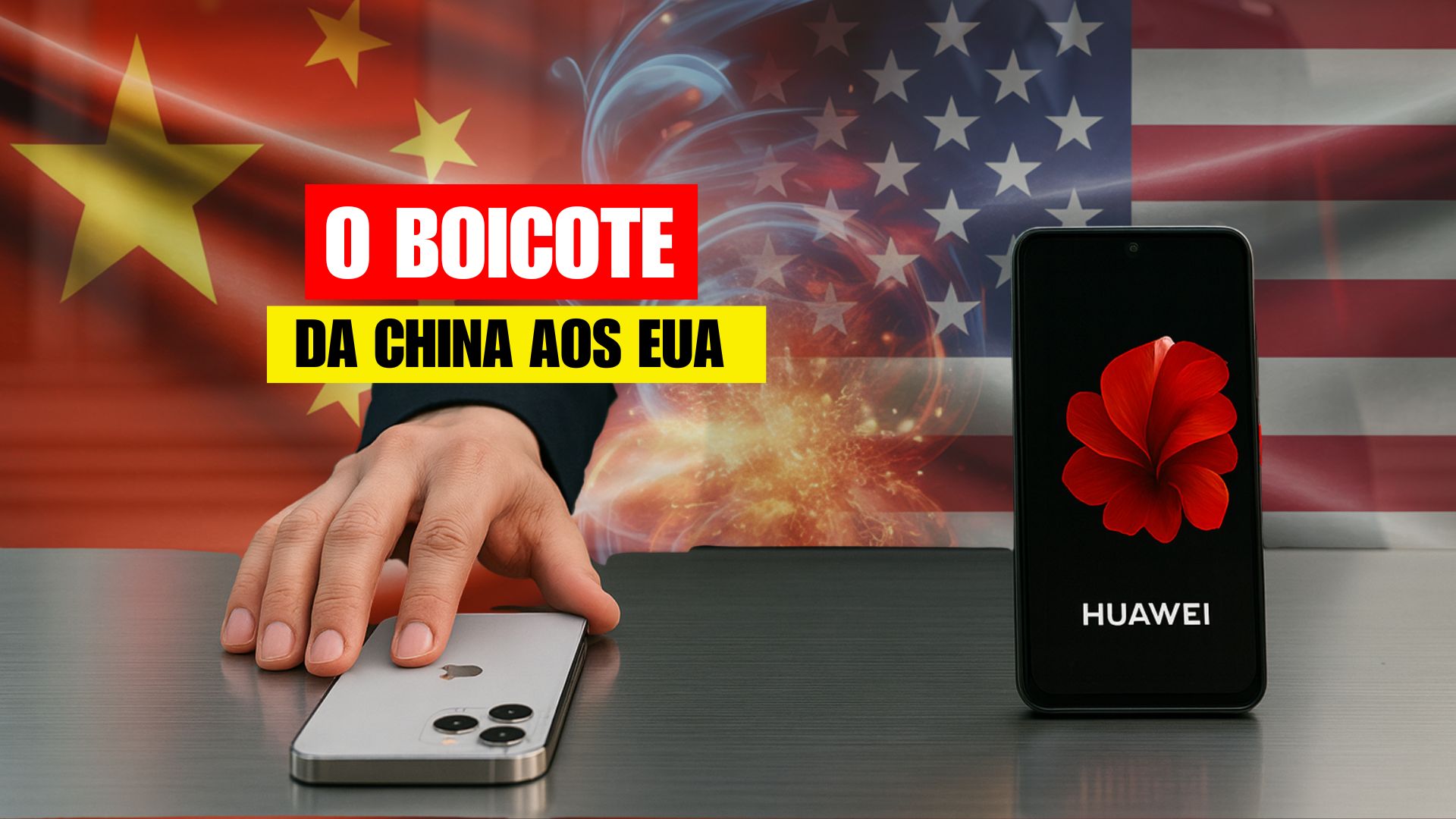
Chinese Authorities Reinforce Limits On The Use Of iPhones And Other Foreign Cell Phones In Public Agencies And State-Owned Companies, Expanding The Scope Of National Security Policies And Pressuring Apple In One Of Its Largest Markets.
In recent years, Chinese authorities have intensified guidance for public servants and state employees to stop using iPhones and other foreign smartphones in the workplace.
The measures, justified in the name of national security and data protection, have consolidated at different levels of administration and in strategic conglomerates, increasing pressure on Apple and adding a new chapter to the technological dispute between Beijing and Washington.
Although there is no public decree prohibiting the use of foreign cell phones, internal circulars and compliance standards have led central agencies, regulators, and state-owned companies to restrict iPhones’ access to internal networks and promote the adoption of models from domestic manufacturers.
-
Brazilian Joins Homeownership Consortium, Faces Decade of Dual Payments Totaling $141,000, Surpassing Traditional Mortgage

-
Land Rover to Halt Production in July, Putting 371 Jobs at Risk, as Chinese Automaker Negotiates to Convert Factory to 100,000 Vehicles Annually by 2027

-
Mexican Pest Threatens U.S. Cattle Herds at Historic Lows, Potentially Boosting Brazilian Beef Exports as Burger Prices Soar

-
Brazilian Freight Bill Progresses in Congress with $5,000 Minimum Wage, 70% Advance Payment, and Fines Up to $1 Million, as Agriculture and Industry Warn of Rising Costs and Legal Uncertainty


In some public buildings, there are reports of device checks at the entrance, while IT departments block non-approved devices.
Expanding Security Rules
The situation relies on an increasingly stringent regulatory foundation. China combines the Cybersecurity Law, the Data Security Law, and standards for “critical information infrastructures” with mandatory audits for hardware and software.
Since May 2024, the revised version of the State Secrets Law has expanded inspection powers and tightened sanctions, creating an environment of greater surveillance over devices used in sectors such as energy, telecommunications, and finance.
For local authorities, the use of foreign cell phones can pose a risk of leakage in strategic areas.
The official narrative asserts that the preference for domestic products ensures traceability, regulatory compliance, and greater technological autonomy.
The Official Position Of Beijing
Despite the administrative tightening, the Ministry of Foreign Affairs recently reiterated that there is no broad legal prohibition against iPhones. According to the ministry, there is no law or regulation preventing their purchase or use by the end consumer.
In practice, this means that the restrictions affect institutional and administrative environments without directly impacting retail.
This difference helps explain the still robust presence of Apple among urban consumers, while the brand loses ground in corporate and governmental environments.
Market And Apple Reflections
Apple, which maintains a large part of its supply chain within China, faces a challenging scenario.
While it needs to adapt its products to local requirements, it seeks to preserve sales in the high-value retail sector.
In 2024, the company experienced a decline in sales and lost a prominent position to competitors like Huawei.
In 2025, the numbers fluctuated: in some months, the iPhone returned to the sales lead, but consultancies registered divergent estimates in the second quarter, reflecting a fierce competition marked by aggressive promotions from Chinese brands.
Even under pressure, Apple’s launches continue to attract attention.
This September, crowds in Beijing marked the arrival of the new generation of iPhones, showing that the brand retains prestige among premium consumers, even amidst strong domestic competition.
Artificial Intelligence Under Regulation
Another area of tension is the incorporation of artificial intelligence features into smartphones.
To enable advanced functionalities in the country, Apple sought local partnerships, such as collaboration with Alibaba.
The goal is to adapt software to Chinese rules, which require prior approval and, in many cases, the association with AI models already approved by cybersecurity authorities.
This requirement reinforces that, in addition to hardware, technological compliance has become a key factor for maintaining competitiveness in the Chinese market.
Diplomacy And Technological Sovereignty
From a diplomatic perspective, Washington views the restrictions on iPhones as disguised barriers to security measures, adding tension to a recent history of cross-controls in technology.
The White House also restricts China’s access to cutting-edge semiconductors, which Beijing interprets as a symmetrical action to its technological substitution policy.
For foreign companies, the signal is clear: technological sovereignty has gained momentum on the Chinese agenda.
Boards of directors have begun prioritizing discussions on regulatory risk, data localization, and supply chain resilience, seeking to reduce dependence on an increasingly demanding regulatory environment.





-

-

-

-

-

14 people reacted to this.