Portuguese
  Spanish


China Expands Presence in Strategic Ports of Brazil with Billion-Dollar Investments in Grains and Minerals, Targeting Dollar-Free Exports to Asia.
Chinese investments in the Brazilian port sector have ceased to be sporadic and have turned into a strategic movement that may change the dynamics of foreign trade in the coming years. Key ports for the flow of grains and minerals are coming into the radar of state and private giants from China, in a silent battle involving logistics, geopolitics, and the attempt to reduce the role of the dollar in international transactions.
COFCO and the Santos Megaterminal
The most symbolic case is that of the Port of Santos, where the Chinese state-owned company COFCO International has begun the implementation of a new grain terminal.
The project is expected to significantly increase the loading capacity of soybeans, corn, and derivatives, products that lead the list of Brazilian exports. More than an investment in infrastructure, the work represents the advancement of a model of vertical integration: from Brazilian fields to Asian ports, under the control of a single operator.
-
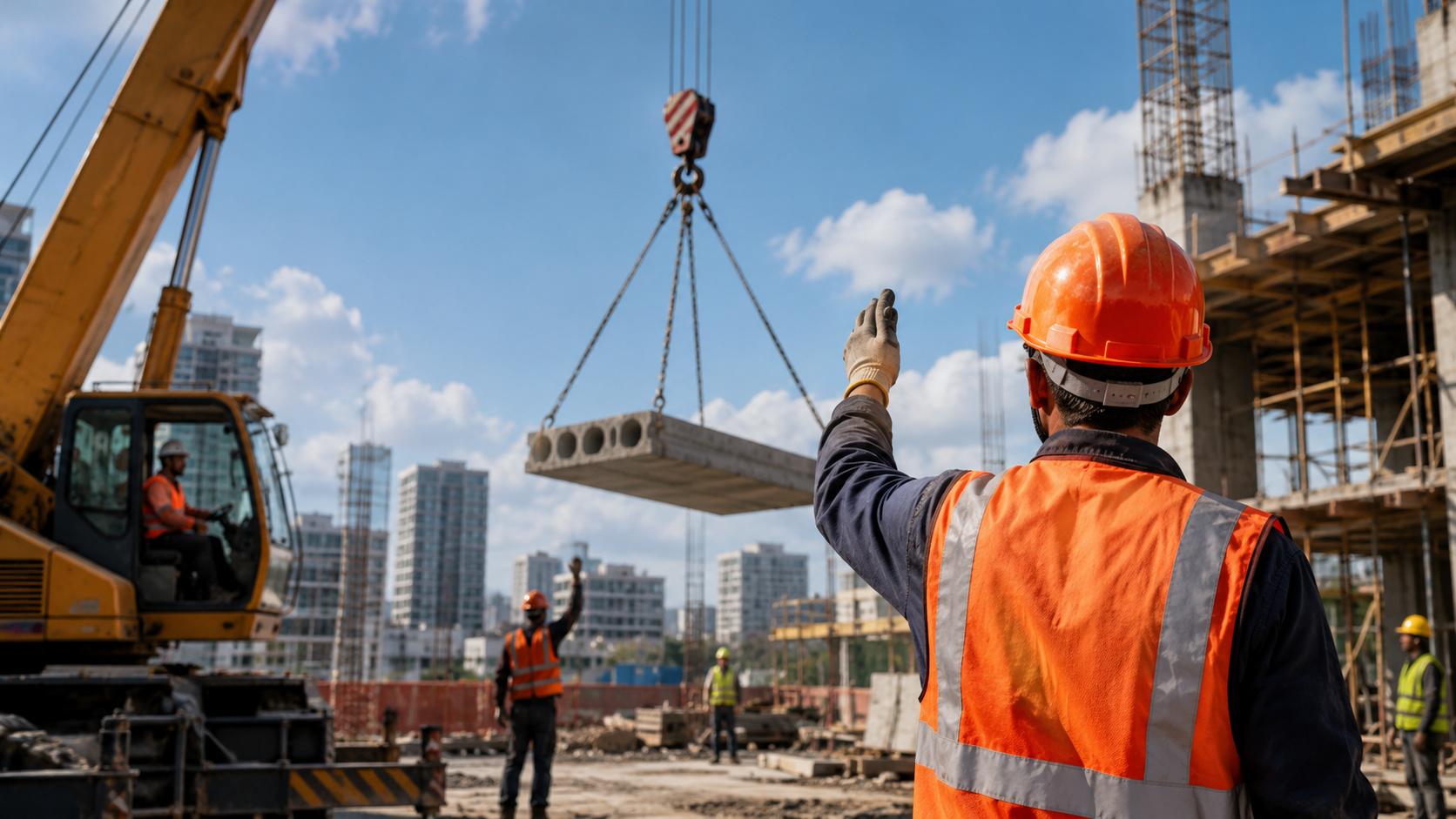
Why can the crane operator only obey the correct signalman on the construction site: among dozens of workers, a hand raised by the wrong person can confuse the maneuver and turn a load of tons into an immediate risk.

-
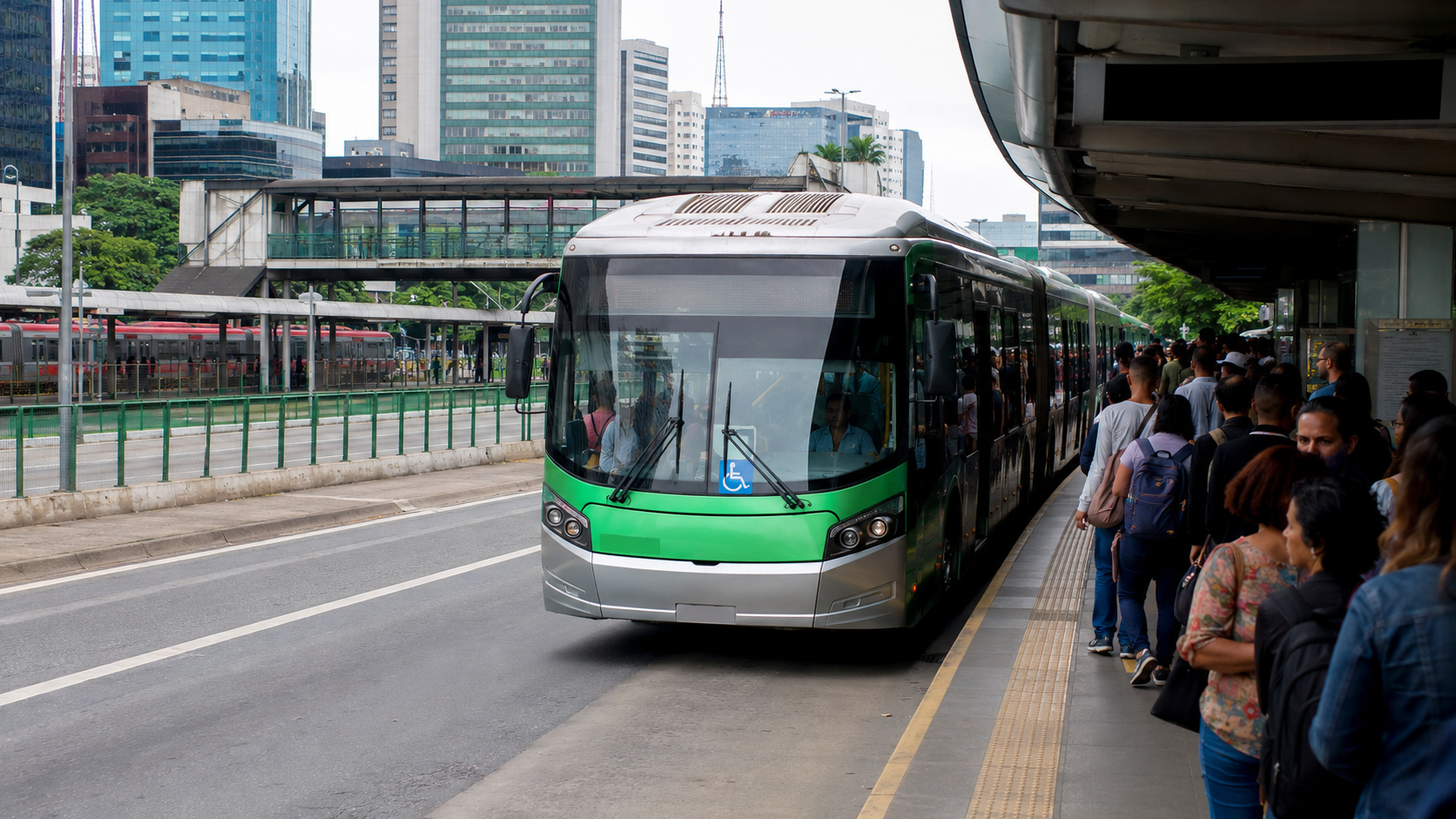
What changes with the new public transportation rules that can reduce pressure on fares and pave the way for zero fare in Brazil?
-
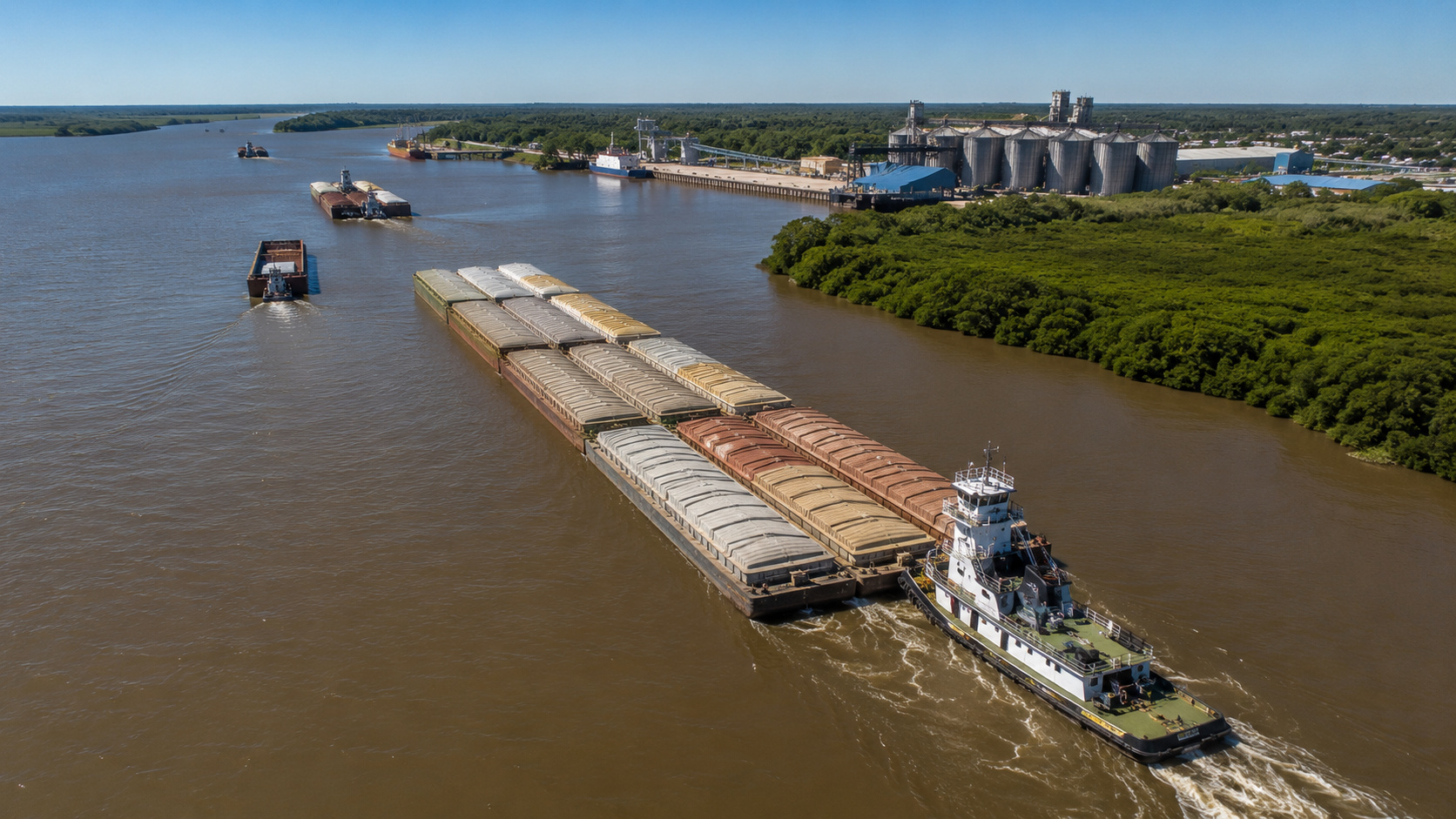
Argentina confirms Belgian giant to lead strategic Paraná River waterway and promises to reduce logistical costs on one of South America’s most important routes
-
MBRF surprises the logistics sector by demonstrating how Artificial Intelligence can directly influence deliveries throughout Brazil by reorganizing distribution routes in seconds, optimizing fleet usage, reducing logistics costs, and speeding up product arrivals even in the face of unforeseen road incidents.

This integration allows China to negotiate directly with producers and cooperatives in Brazil, eliminating intermediaries and, in some cases, converting transactions to local currencies such as real and yuan. This reduces currency exposure and helps in the long-term goal of diversifying the global financial system, decreasing the historical dependence on the dollar.
Paranaguá, Itaqui, and Other Strategic Points
In addition to Santos, the Chinese presence is felt in other strategic ports. At the Paranaguá Container Terminal (TCP) in Paraná, China Merchants Port Holdings has a stake and is investing in the modernization and expansion of handling capacity.
In Maranhão, China Communications Construction Company (CCCC) is partnering to develop the Port of Itaqui, which serves the Matopiba region — Brazil’s new agricultural frontier.
These regions were not chosen by chance. Paranaguá is vital for the export of meats and industrialized products, while Itaqui positions itself as a natural outlet for grains produced far from the coast, shortening distances and logistics costs to Asia.
Less Dollar on Export Routes
The advancement of China in Brazilian ports has a goal beyond increasing logistical efficiency: to create conditions for bilateral trade to be progressively settled in local currencies.
Brazil and China already have an agreement for settling operations in real and yuan, and companies are beginning to experiment with transactions outside the dollar-linked exchange system.
With China controlling part of the loading infrastructure, the possibility of concentrating financial operations on alternative platforms gains strength, aligned with the “de-dollarization” strategy advocated by Beijing. This reduces currency conversion costs, protects against fluctuations, and strengthens direct economic integration between the two countries.
Opportunities and Risks for Brazil
For Brazil, the influx of foreign capital is positive for modernizing ports and increasing export capacity. National port infrastructure has historically been a bottleneck, and the injection of resources accelerates projects that the public budget alone would not accommodate.
On the other hand, experts warn of the risk of excessive dependence on a single partner. China’s strategic presence in ports may give the Asian country power to influence Brazilian trade flows and logistical decisions. Moreover, growing financial integration may make the Brazilian economy more sensitive to changes in Beijing’s monetary and trade policy.
The Geopolitical Game in the South Atlantic
The competition for Brazilian port infrastructure fits into a broader context, in which China seeks to consolidate its presence in the South Atlantic. By securing privileged access to grain and mineral export routes, Beijing expands its bargaining power in trade and geopolitical negotiations.
For the United States, traditionally influential in the region, this movement is watched with concern. Washington fears that Chinese expansion will create an alternative logistical and financial corridor, potentially weakening the dollar’s role and increasing the strategic autonomy of South American countries.
Brazil–China Trade
If the current trend continues, Brazil–China trade may, in a few years, operate in a more integrated manner with less international financial intermediation.
Modernized ports, more efficient logistical corridors, and settlement agreements in local currencies may reduce costs, accelerate operations, and increase Brazilian competitiveness in the Asian market.
The question is whether Brazil will be able to balance the benefits of these investments with the preservation of its strategic autonomy. In the power struggle between infrastructure and sovereignty, the next economic and trade policy decisions will be crucial.