Portuguese
  Spanish


Learn How China’s Solar Energy Capacity Doubled in 2025, with Strong Advances in the Commercial and Industrial Sector, Boosting Global Leadership in Photovoltaic Energy.
In recent years, solar energy has established itself as one of the leading renewable sources of electricity worldwide. Moreover, China, one of the global leaders in this sector, surprised the market by doubled its solar energy capacity in the first half of 2025.
As a result, the country strengthens its leadership in the global energy transition.
The solar energy capacity represents the total volume of installed power to convert sunlight into electricity. Therefore, when this capacity increases, the impact on the energy matrix becomes visible.
-
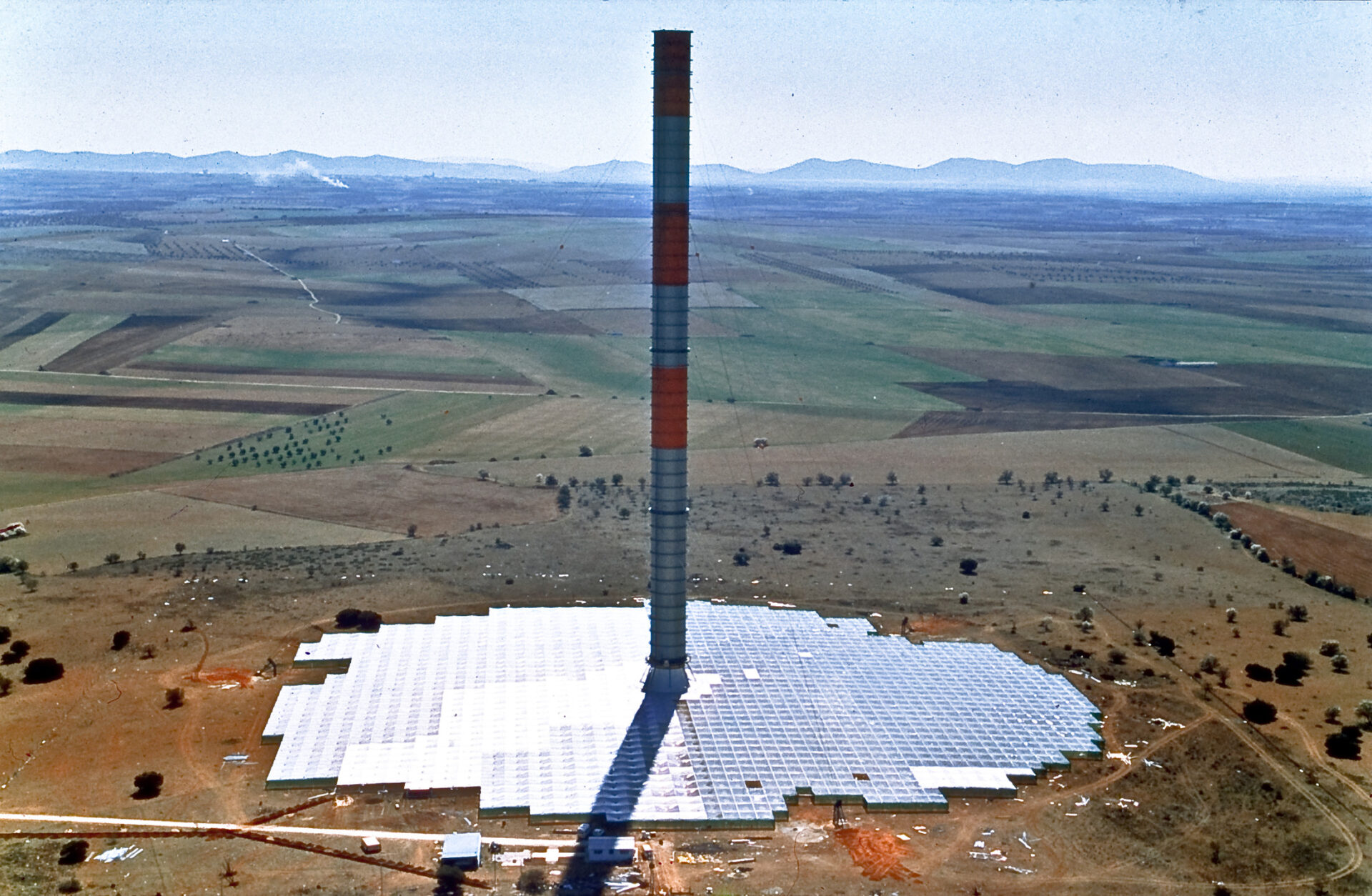
Solar Chimney in Spain Harnessed Sun to Generate Electricity for 7 Years Without Burning Fuel

-
Solar energy reaches 55 GW, becoming the second largest power source in Brazil’s energy mix

-
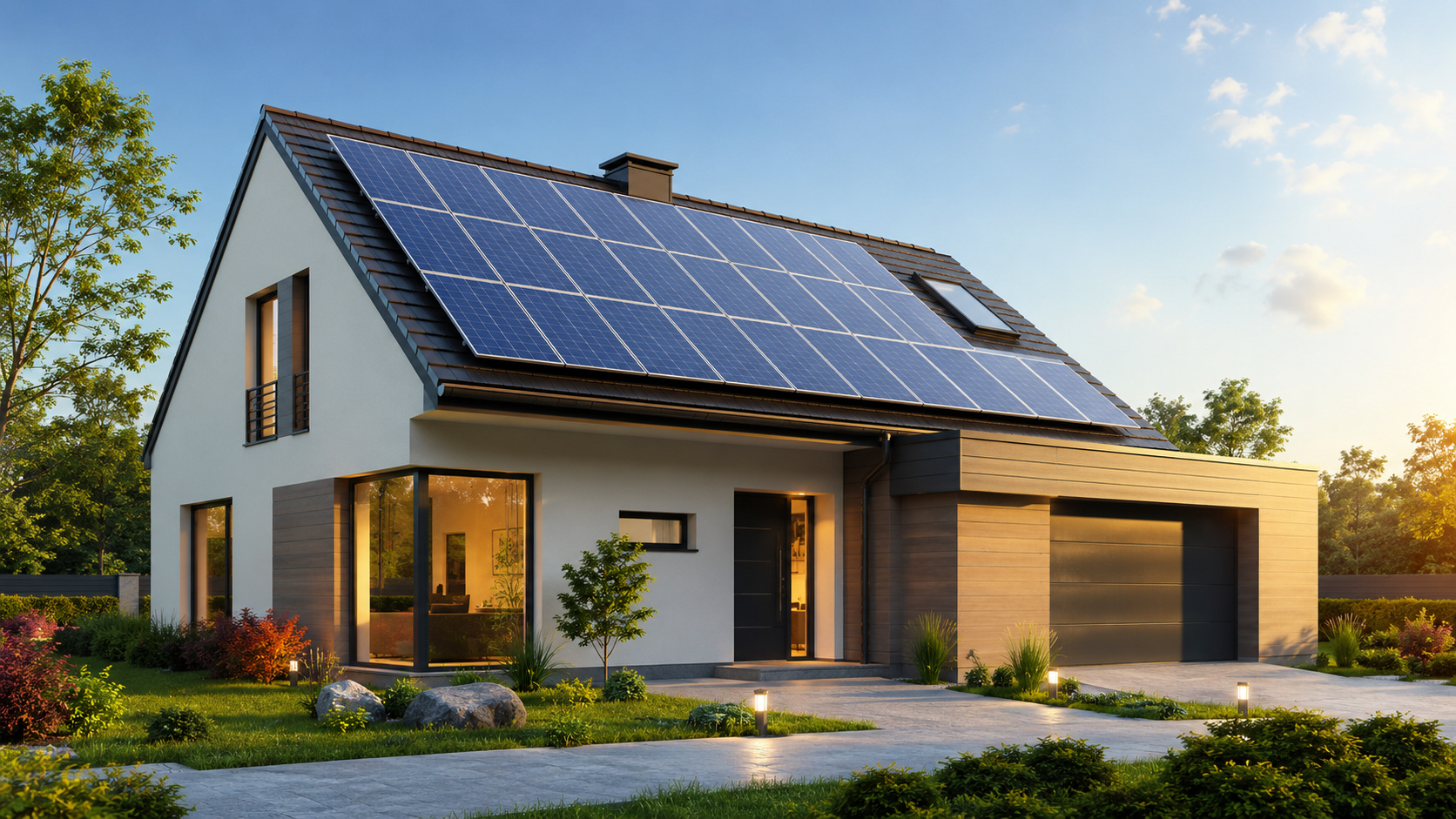
Solar energy can increase property value by up to 10% and become a selling point.
-
Solar and wind energy surpass natural gas for the first time in the world and accelerate energy revolution


Historically, China relied on coal. However, since the Paris Agreement in 2015, the country has been taking concrete measures to prioritize clean energy. Additionally, the growing awareness of the effects of climate change has spurred the search for renewable sources.
From this commitment, the Chinese government began to invest heavily in solar technologies. Consequently, photovoltaic energy gained prominence in long-term national plans.
Thus, China not only reduced emissions, but also increased its industrial competitiveness. These advances boosted the development of local technologies and improved the efficiency of production processes.
Record Expansion in 2025 Surprises the World
During the first half of 2025, China installed 211.6 gigawatts (GW) in solar energy capacity. This figure more than doubled the 102.5 GW from the same period in 2024, highlighting the magnitude of the advance.
Furthermore, the expansion was divided between centralized projects and distributed systems, demonstrating a balanced strategy. This division allowed both large plants and small residential installations to develop simultaneously.
Distributed generation grew by 113%, reaching 112.81 GW. Within this group, the commercial and industrial (C&I) sector led with 87.2 GW, exhibiting an impressive jump of 135% from the previous year.
In other words, companies of various sizes began generating their own electricity, seeking savings, autonomy, and environmental reputation. This trend also favors the stability of the power system, as it decentralizes generation.
In parallel, the residential sector installed 25.6 GW — a 62% increase.
This can be explained, among other factors, by the incentive for rooftop panel installations, both in urban areas and rural regions. Consequently, families began to reduce their electricity bills and collaborate with the environment.
Meanwhile, local governments intensified support policies. Among the main actions, there are tax subsidies, facilitated financing lines, and regional incentive programs.
As a result, solar energy became more viable for small entrepreneurs and communities distant from major centers. This contributes to energy inclusion and local development.
Advancement in Centralized Generation and Regional Leadership
In the same period, centralized generation (CG) grew by 99%, totaling 98.8 GW in new projects directly connected to the grid. For example, Xinjiang led the rankings with 19 GW, followed by Yunnan, which added 11 GW.
In addition to these, provinces such as Jiangsu, Shanxi, Ningxia, and Shandong also surpassed 5 GW.
Thus, China surpassed an unprecedented milestone: 1 terawatt (TW) of installed solar energy capacity.
It is worth noting that no other nation had achieved this volume. In fact, the International Energy Agency had predicted this level only in 2026.
Therefore, the Chinese achievement advances international estimates by more than a year.
Among the factors explaining this success, the strengthening of the photovoltaic industry, investments in innovation, and government planning are noteworthy.
As a consequence, the country built a robust and efficient production chain.
Economic, Social, and Environmental Impacts
For decades, air pollution in Chinese cities has been linked to intensive coal use. However, the mass adoption of solar energy has reduced emissions, improved air quality, and public health.
In other words, the benefits transcend the energy field and reach social and environmental areas.
From an economic perspective, solar energy capacity has driven job creation and growth in the national industry. Moreover, China has consolidated its position as the largest global exporter of modules, inverters, and batteries.
As a result, it directly influences global prices and the competitiveness of other countries.
In terms of energy security, solar energy has increased national electrical autonomy. Thus, the country has become less dependent on fossil sources and imports.
Particularly, distributed generation has allowed companies to ensure their own supply, reducing the risks of blackouts and price fluctuations.
Even more relevant, previously isolated communities now have access to clean electricity.
This has boosted small businesses, schools, and health units. Consequently, solar energy promoted social and economic inclusion.
Additionally, the sector’s growth has driven technical and scientific training. Several Chinese universities and research centers have begun dedicating efforts to the study of solar energy, training specialized professionals who support the industry. This virtuous cycle strengthens local innovation and broadens the country’s international competitiveness.
Future Perspectives for Solar Energy
The Chinese case has become a global reference. Thus, many countries have realized that, with planning, it is possible to scale sustainable solutions quickly.
However, challenges still remain to be faced. For example, the intermittency of solar energy requires more investments in storage, smart grids, and integration among diverse sources.
With this in mind, the Chinese government is expected to intensify research on advanced technologies.
In addition to increasing panel efficiency, the country aims to develop hybrid solutions and integrated urban models, such as the so-called “solar cities”.
Another important aspect for the future is the integration of renewable sources with electric mobility systems, allowing vehicles to be charged by clean energy. This connection will bring additional benefits for reducing emissions in the transport sector.
In this scenario, the solar energy capacity will continue to be one of the pillars of China’s energy transformation. Therefore, the focus on renewables will remain strategic, not only due to the environmental commitment but also for economic competitiveness and energy stability.
In summary, by doubled its solar energy capacity in the first half of 2025, China reinforced its central role in the global race for clean energies.
With a 135% expansion in the C&I sector, the country demonstrated how policy, technology, and the market can work together towards a sustainable future.