






 Portuguese
  Spanish
  4 min of reading
  0 comments


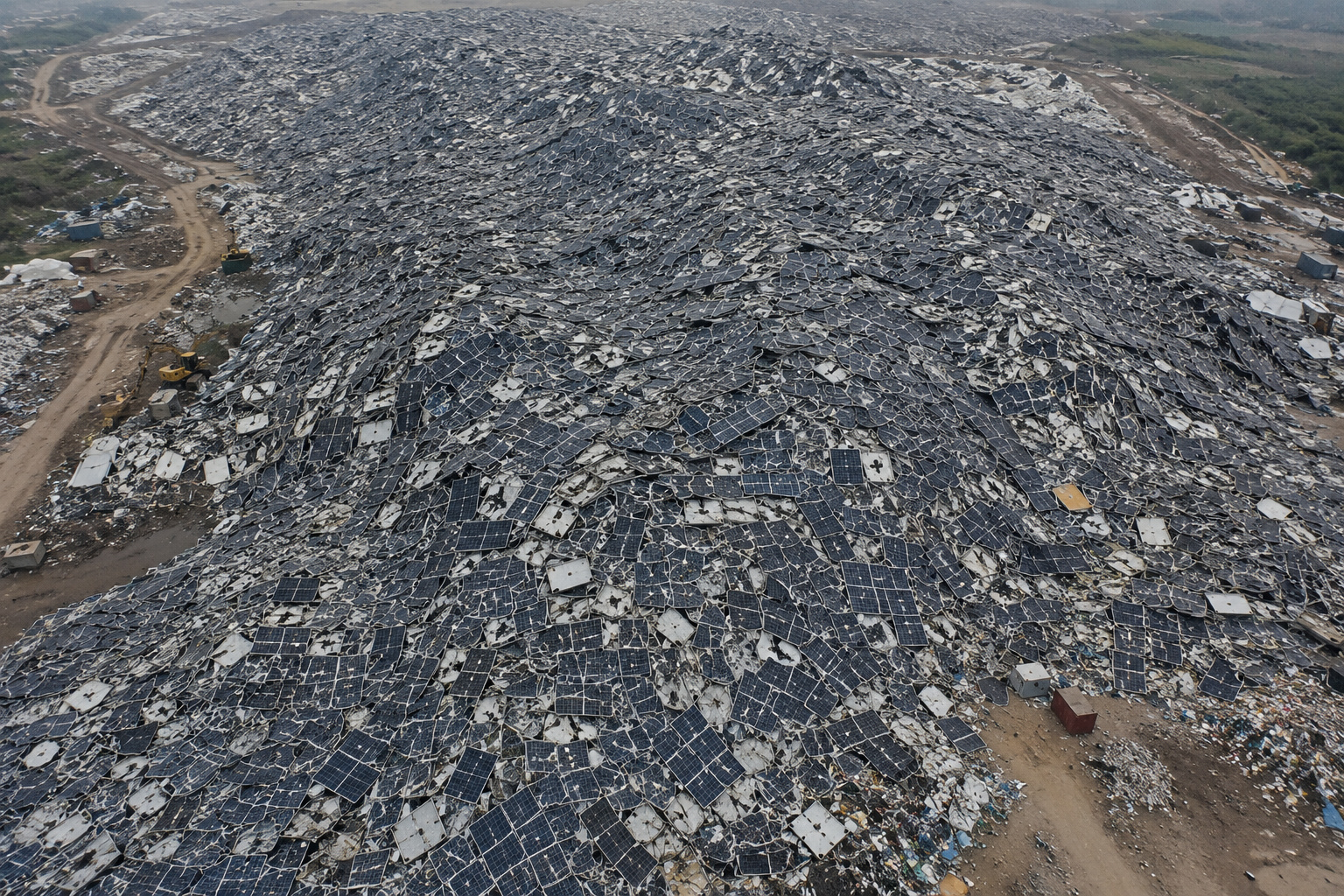
Retired solar panels could generate up to 78 million tons of waste by 2050 and create one of the biggest challenges of clean energy.
For two decades, solar energy has been touted as one of the main weapons against carbon emissions. Millions of panels have covered rooftops, parking lots, solar farms, and deserts around the planet. But the same technology that helped accelerate the energy transition is now beginning to reveal a gigantic side effect: the mass disposal of modules reaching the end of their lifespan. Reports from the International Renewable Energy Agency (IRENA) and the IEA-PVPS program estimate that accumulated photovoltaic panel waste could reach between 60 and 78 million tons by 2050, making solar recycling one of the largest industrial frontiers of the green economy.
Solar panels last decades, but the first generation of the photovoltaic race is starting to age at the same time
A large part of the solar energy boom occurred from the 2000s onwards. Since the modules typically have an estimated lifespan of between 25 and 30 years, a growing portion of the installations made in the first waves of expansion is beginning to approach retirement.

The problem is that the growth was so rapid that millions of units are expected to reach the end of operation in a relatively short interval. IRENA studies indicate that large annual volumes of disposal should start to emerge as early as the 2030s.
-
Solar energy can increase property value by up to 10% and become a selling point.

-
Solar and wind energy surpass natural gas for the first time in the world and accelerate energy revolution

-
Africa has about 500,000 cell towers and most still burn diesel to operate, while companies rush to cover antennas with solar energy and avoid signal blackouts.
-
Farmers swapped diesel for solar panels in Pakistan, powered irrigation pumps almost cost-free, expanded rice fields, and now groundwater has become a red alert in the countryside.




In other words, the infrastructure that helped boost clean energy is beginning to generate a new global category of technological waste on an industrial scale.
Up to 78 million tons of modules could form one of the largest waste streams of the energy transition
According to the joint report by IRENA and IEA-PVPS, accumulated solar panel waste could reach approximately 78 million tons by 2050. The material is mainly composed of glass, but also includes aluminum, silicon, copper, silver, and other valuable industrial components.

Subsequent research continues to use this estimate as a global reference for the growth of photovoltaic waste. Recent studies indicate that the volume could reach between 60 and 78 million tons, depending on the pace of solar energy expansion and the effective lifespan of the modules.
The scale is so large that experts have started to treat the issue as one of the main environmental concerns related to the energy infrastructure of the future.
Most panels are made of recyclable materials, but the process still faces economic obstacles
Unlike many complex electronic wastes, photovoltaic modules have components that can be reused on a large scale. Glass, aluminum, and some of the metals present in the panels can return to the production chains.


IRENA reports estimate that recovering these materials could generate a value exceeding US$ 15 billion by 2050, if the modules are recycled on a large scale and reinserted into the economy.
The challenge lies in the cost. In many countries, it is still cheaper to send old modules to landfills or temporary storage than to completely dismantle and process them.
China, United States, India, Japan, and Europe appear among the largest future generators of solar waste
The countries that have invested the most in photovoltaic energy also tend to concentrate the largest volumes of disposal in the coming decades.
Reports cited by IRENA indicate that China and the United States are expected to lead the generation of photovoltaic waste by mid-century, followed by markets such as Japan, India, and Germany.
The situation draws attention because many of these countries also heavily depend on strategic minerals to continue expanding renewable generation. This makes retired panels not just seen as waste, but as a kind of urban mine spread across rooftops and solar farms.
What today seems like old glass can become raw material for billions of new panels
IRENA studies indicate that if materials are efficiently recovered, photovoltaic waste could supply the manufacturing of approximately 2 billion new panels by 2050.
In addition to reducing pressure on mining and global supply chains, recycling can increase security in accessing raw materials used by the solar industry itself.

For this reason, governments, manufacturers, and research centers are accelerating the development of processes to recover silicon, silver, copper, and other materials present in retired modules.
The energy transition has created a new question: what to do when the green equipment itself ages?
For years, the main concern of solar energy was to install more generation capacity. Now, a new stage is beginning to gain importance: managing the end of the useful life of everything that has already been installed.
The world is building a gigantic energy infrastructure based on glass, aluminum, silicon, and strategic metals. In a few decades, part of this material will start to return to the system in volumes never seen before.
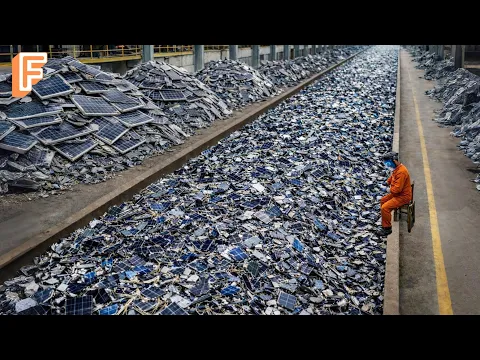
The same shiny surface that today covers roofs and deserts could become one of the largest streams of technological waste on the planet. The difference between an environmental problem and a new billion-dollar industry will depend on how quickly recycling can keep up with the solar revolution.








Be the first to react!