






 Portuguese
  Spanish


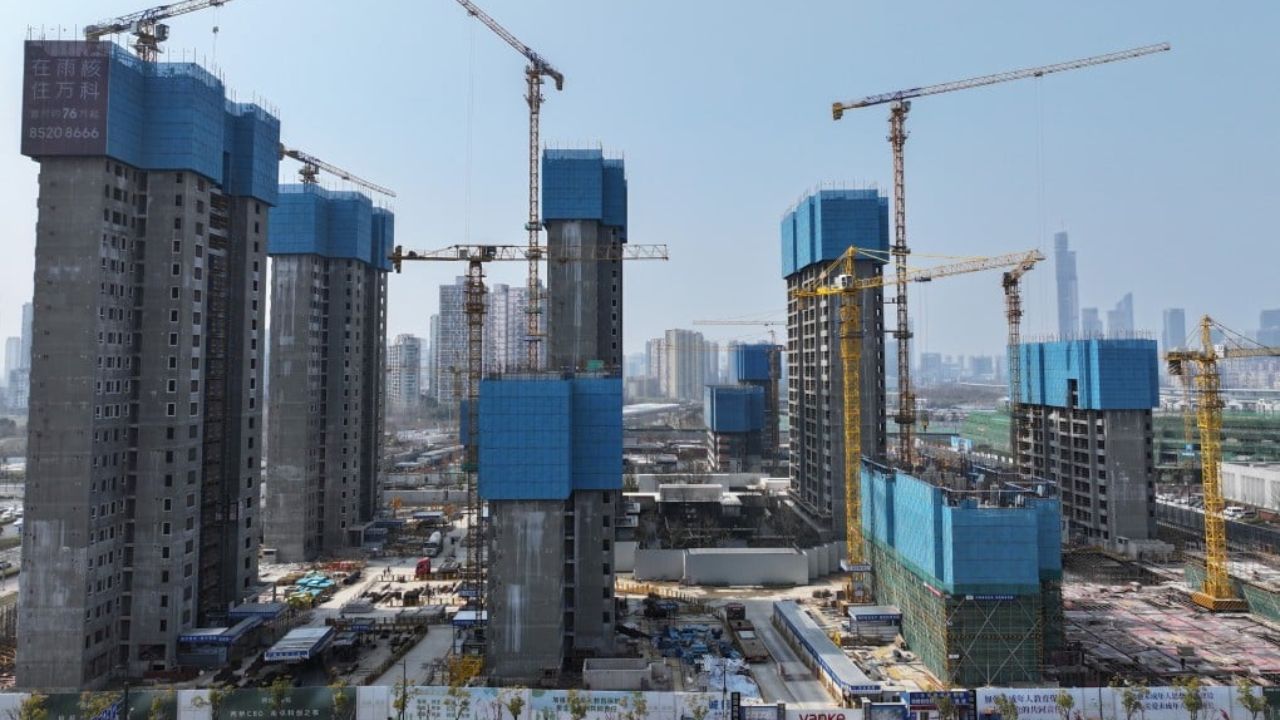


With China’s Real Estate Sector Collapsing, Developers Turn to Bizarre Incentives: From iPhones to Airline Tickets, and Even Private Jets! Sales Plummeted from 19.3 Trillion Yuan in 2020 to Just 10.8 Trillion in 2024, Forcing Developers to Offer More and More Absurd Promotions.
Anyone looking at China today might not even recognize the country that, a few years ago, seemed like an endless construction machine. Where skyscrapers used to spring up almost overnight, the scene is now very different. Since Evergrande collapsed in 2021, the country’s real estate sector has gone into freefall and has yet to recover.
And the government? Well, it basically washed its hands and said: “If you don’t have money, declare bankruptcy or restructure.” The problem is that that restructuring never really happened. With the market frozen, properties remain unsold, prices are dropping, and developers are in despair.
The Desperate Attempt to Attract Buyers
If no one is buying, prices plummet. If prices plummet, developers go bankrupt. And then comes the question: how to convince people to invest in real estate in a country where everyone is witnessing this sector sink?
-
Controversial 6-day Workweek Elimination in Brazil Faces Economic Criticism Over Productivity Claims

-
Itaú to Refund Customers After 14 Years of Unauthorized Credit Card Charges; Agreement Includes No Interest or Adjustments, Deadline by 2028, with Potential Impact of Up to $6.5 Billion

-
Brazilian Company Grows from Bartering Soap for Food to Producing 30 Million Units Monthly, Challenges Global Giants with $100 Million Revenue and Expands into Premium Cosmetics
-
Petrobras and Engeko’s New Investment Plan Promises Billions and Thousands of Jobs, Capturing Market Attention


The developers’ response in China was simple: anything goes to sell! And when I say anything, I’m not exaggerating. Take a look at the incentives that have been offered:
Symbolic down payment of 9.9 yuan (yes, less than R$ 7!)
Gifts like iPhones and airline tickets
Flying lessons and even participation in private jets
That’s right: there are apartments being sold with the promise that the buyer will have access to a private jet. It sounds like a joke, but it’s the reality of the market in China in 2024.
And the situation keeps worsening. In 2020, the Chinese real estate sector generated 19.3 trillion yuan. This year, the forecast is only 10.8 trillion. That’s nearly a cut in half!
The Creativity of Developers in China
If there’s one thing the Chinese are proving in this crisis, it’s that there’s no shortage of creativity. Besides private jets and iPhones, some offers are so absurd they seem like a prank.
In Henan, China, some people are paying for their apartment down payment with garlic and watermelons! That’s right, farmers can use their harvest as currency.
In Suzhou, anyone who buys a property gets travel funds.
In Shanghai, some developers have given free subway passes for five years!
And why all this? Simple: the government prohibited discounts greater than 15% to avoid a larger collapse. Since this reduction hasn’t helped at all, developers had to find ways to circumvent this rule and attract buyers.
The Decline of Private Developers and the Rise of State-Owned Companies
If the market is bad for buyers, imagine for sellers. The game has changed completely: giants of the private sector, like Evergrande, Country Garden, and Vanke, who once dominated the market, now struggle to avoid disappearing.
Meanwhile, state-owned companies have taken the lead, especially Poly Developments, which has the government’s support. The shift has been so drastic that in 2020, 43 construction companies in China had annual sales above 100 billion yuan. Now, that number has dropped to just seven.
In other words, it’s one of two options: either the companies reinvent themselves, or they will sink along with the real estate bubble.




Os chineses provaram ao longo dos anos que de bobos não têm nada. Esta é mais uma situação que será superada. Enquanto isto aqui no Brasil, ninguém tem dinheiro para comprar os imóveis caríssimos em oferta. Carro velho custando preço de zero km e por aí vai!
Lei da oferta e demanda, muitos investiram num único setor, o de construção civil, levando falta de matéria prima para o mesmo e consequentemente aumentando os valores dos mesmo, fazendo com que os valores de imóveis disparasse. Não se preocuparam se haveria comprador no mercado futuro e muito menos a influência do aumento dos custos no preco final do imóvel. Logo com o setor em desaquecimento, menos trabalhador na ativa, menos dinheiro circulando, menos compradores. Aí penso o porque dos Chineses terem trazidos trabalhadores do país de origem para trabalhar nas fabricas da BYD…
China pode estar entrando numa fase de estaguinacão e precisa desesperadamente de novos mercados para continuar a crescer.
O desejo de ver a China cair não passa de um desejo.
Enquanto as empresas vêem os preços caírem os consumidores (moradores) fazem a festa.
Que bom seria se isso acontecesse no Brasil, quem sabe assim um imóvel de 60m2 no Rio de Janeiro valeria quanto vale, uns 400/500 mil, e não 1,4milhões.