






 Portuguese
  Spanish


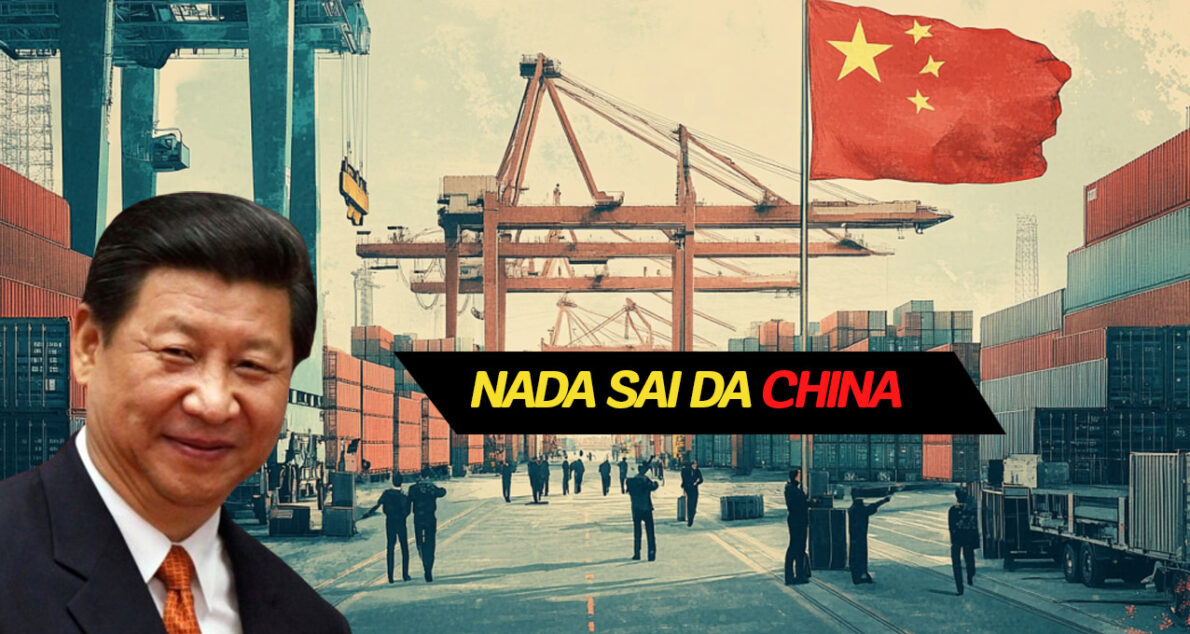

In a move that promises to disrupt markets around the world, China, a giant in the production of strategic metals, has decided to adopt a measure that could deeply impact global industrial and technological sectors.
Starting from September 15, new restrictions will be applied to the export of antimony products, a critical element used in civilian and military applications.
China, which had already been imposing controls on the export of strategic minerals since last year, now announces that it will require licenses for the export of antimony products, such as ore, ingots, and oxide.
This control reinforces the country’s position as one of the largest influencers in the global strategic metals market. According to experts, this measure could have significant impacts, driving up prices and forcing countries to seek alternatives to meet their industrial needs.
-
Toyota Shuts Down Brazilian Plant After Producing Over 1 Million Vehicles, Plans Special Destination for Final Corolla Produced Following $2.1 Billion Investment and Expansion.

-
Shoe Factories Close, Leaving 528 Workers Jobless in Sudden Turn of Events Affecting Hundreds of Families After Decades of Operation.
-
Chinese Automaker Plans Second Mega Factory in Brazil with $2 Billion Investment to Produce Electric and Hybrid Cars in Strategic Location.
-
16-Year-Old from Brazil’s Sertão Wins Young Scientist Award for AI Predicting Rainfall with 94.5% Accuracy to Aid Farmers


The importance of antimony cannot be underestimated. This metalloid, besides being essential as a flame retardant, is used in the production of photovoltaic glass and in lead-acid batteries, sectors that have gained relevance in recent years.
In the military scenario, antimony is even more critical, being used in the manufacturing of equipment such as infrared missiles and night vision goggles, as well as being a hardening agent in projectiles and armor.
How This Chinese Measure Could Affect the Global Market?
The China is responsible for nearly half of the world’s antimony production, dominating 48% of the market in 2023. With the new limitations imposed, the global supply of this metal could experience a drastic decline, directly impacting industries that depend on this input.
Sectors such as flame retardants and solar, which had already been facing a tight market, may encounter a significant rise in prices, making it even more difficult to obtain antimony.
This price increase is already a reality. Antimony had been hitting record prices, and the new Chinese restrictions only exacerbate the situation, encouraging the search for alternative supply sources.
Regions such as Europe and the United States, which were already concerned about their dependence on Chinese exports, now find themselves compelled to explore new options, such as Tajikistan, Vietnam, Myanmar, and India.
The Reasons Behind the Chinese Decision
According to Reuters, the imposition of these restrictions reflects the concern of China with national security and maintaining control over critical resources.
By ensuring that the export of dual-use products (with civilian and military applications) is limited, the Chinese government ensures that these resources are not used against its own strategic interests.
The decision also forms part of a larger effort by China to control its supply chain. In a world increasingly reliant on advanced technologies and with high demand for resources like antimony, Beijing seems determined to protect its reserves and ensure that they primarily serve national interests.
Global Consequences: Who Wins and Who Loses?
The impact of this measure could be devastating for various industries around the world. With known antimony reserves capable of meeting demand for only 24 more years, the situation becomes even more critical with the high demand from the solar and military sectors.
Moreover, new environmental regulations and the decline in the quality of extracted ore further complicate the scenario.
On the other hand, countries that can explore new sources of antimony may benefit from this scarcity scenario. The search for alternatives to Chinese supply could open new opportunities for countries like Tajikistan and Vietnam, which have significant reserves of this metal.
What to Expect from the Future?
The Chinese restrictions raise important questions about the future of antimony production and supply. Will the world be able to adapt to this new reality? Or will the scarcity of this vital resource lead to a global reconfiguration of the market? What is certain is that the coming weeks will be decisive in understanding the direction this market will take.
Do you believe that China is right to prioritize its national interests by controlling antimony exports, or could this measure cause more harm than good to the global market? Leave your opinion in the comments!





Certo está! Aponta um país que não faz isso com outros commodities ou bens e serviços de interesse nacional! É o uso prático da geoeconomia em prol do interesse nacional.
Rapaz, povo aqui discutindo os impactos que isso vai causar ao Brasil, falando de Lula e Bolsonaro. Será que as pessoas são burras a ponto de não entender que isso é uma manobra de Guerra?
Eles estão aliados com a Rússia e não vão mais exportar os minérios para dificultar a producão de armas pelos EUA que por fim, armam o exército da Ucrânia
Essa medida deixa a produção de armamentos mais cara e mais lenta. Se preparem, pois o mundo está mudando de dono
Todos os países detentores de recursos naturais deviam avaliar e priorizar os seus próprios territórios.