






 Portuguese
  Spanish
  2 min of reading
  0 comments


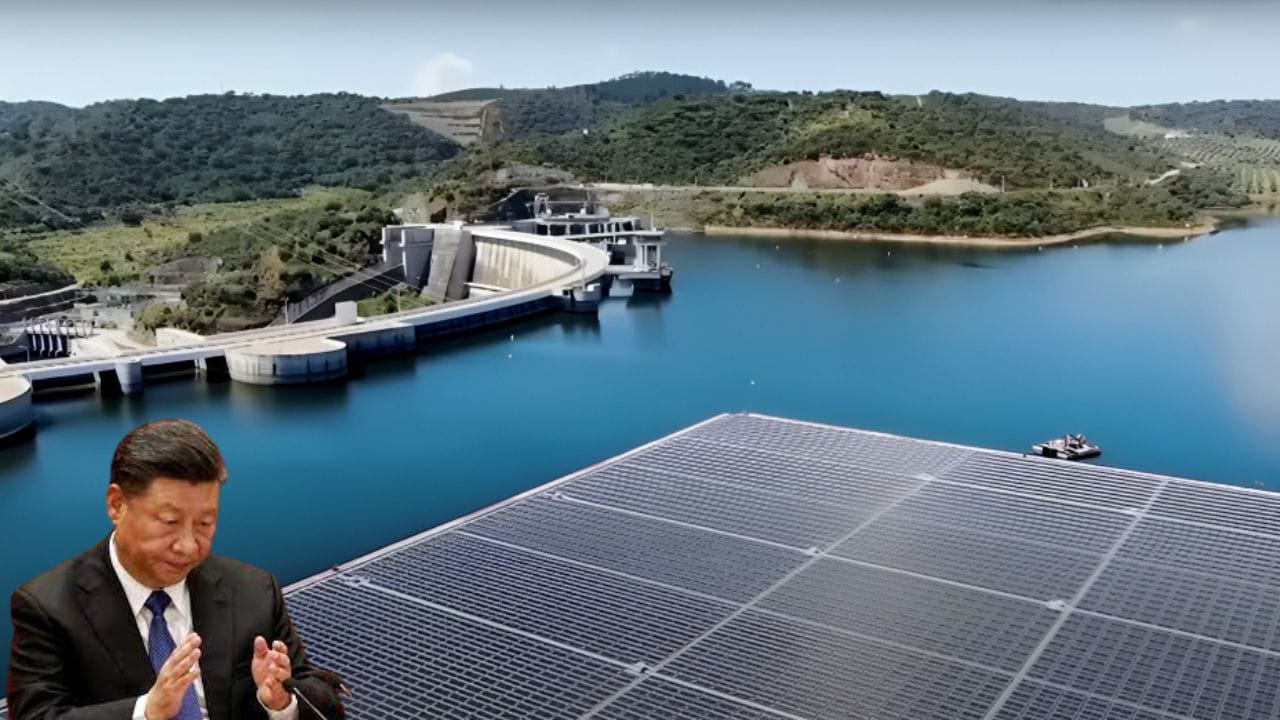
You Know Those Huge Lakes? Well, They Are Turning into Giant Floating Solar Plants. The City of Huainan in Eastern China Is at the Center of This Energy Revolution. Let’s Dive into This Story!
Huainan in China, known as the cradle of tofu, is showing that it’s not just good in the kitchen. The city, which was once a coal mining hub, is reinventing itself and now hosts the world’s largest floating solar plant.
With 165,000 solar panels spread over 8.6 hectares – the equivalent of 121 football fields – this plant is a real score in clean energy production.
Why Floating? The Science Behind the Innovation
But why build a floating solar plant instead of on solid ground? The answer is simple: efficiency. Solar panels lose performance with heat, but floating on water keeps them cooler. This increases efficiency by up to 15% compared to conventional plants.
-
Brazilian scientists are simultaneously advancing two research projects on clean hydrogen and driving solutions that could transform the energy matrix, enhance industrial competitiveness, and accelerate large-scale emission reduction targets.

-
Advancement in renewable energy: A R$ 150 million project launched by Petrobras and Finep aims to create state-of-the-art electrolyzers for green hydrogen, strengthening national research and preparing Brazil to compete in a billion-dollar energy market.
-
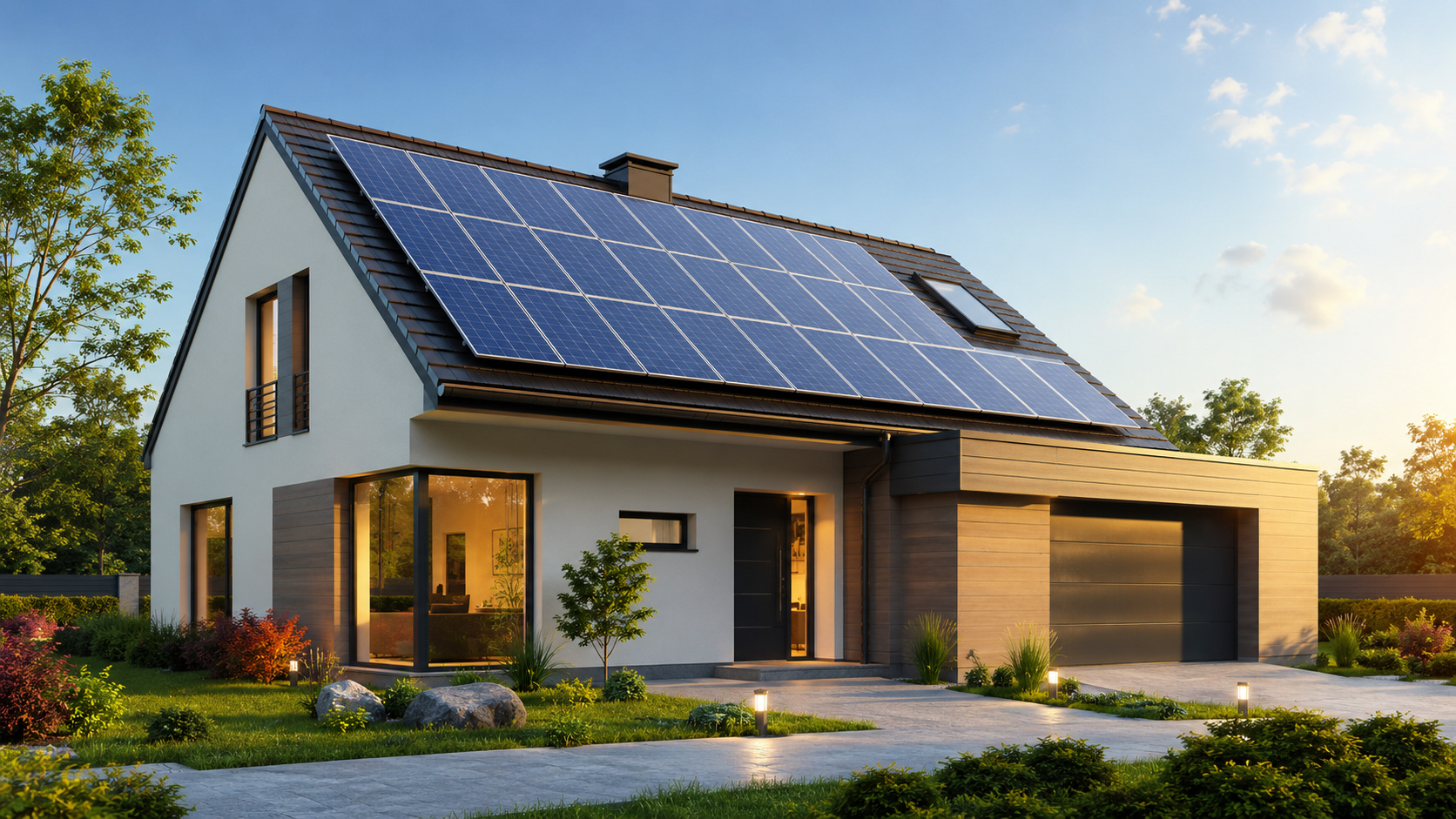
Solar energy can increase property value by up to 10% and become a selling point.
-
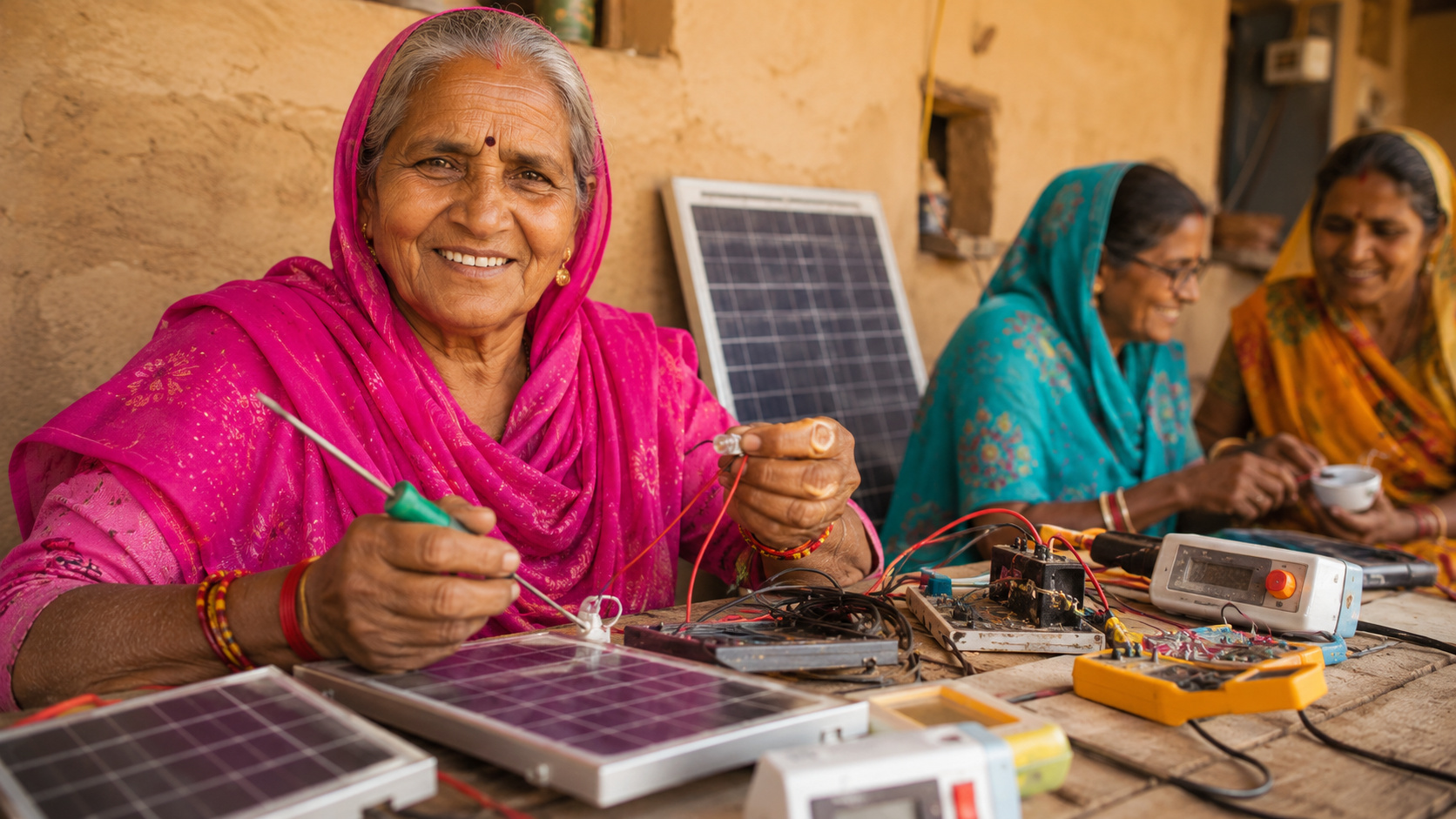
Illiterate or semi-literate grandmothers were trained to repair solar systems, open rural workshops, and light up homes that still depended on kerosene.


The area chosen for the plant was a flooded coal mine, meaning it was a space that was no longer useful for much. China, known as one of the world’s biggest polluters, is putting on a show in reducing pollution.
With cities covered in clouds of dirt and serious public health issues, the country is heavily investing in clean energy. Since 2003, coal usage has been declining, and the goal is to increase renewable energy sources by 20% by 2030. The Huainan plant is one of the stars of this team.
Technology and Sustainability in China


The construction of this mega structure wasn’t easy. With an investment of 45 million dollars, the plant was inaugurated in 2017. And it’s not just energy generation that is sustainable: the plant itself was designed to withstand aging and environmental challenges. Drones patrol to ensure the safety and proper functioning of the plant.
Brazil in the Game: The Brazilian Floating Solar Plants
And Brazil? Well, we’re also getting into this wave. The first floating solar plant in the country was built in São Paulo, and the largest, in Sobradinho, in Bahia, with a capacity of 1 MW. We are still far from the 40 MW of the Huainan plant, but it’s a start.
With more than 400 solar plants and an investment of billions of dollars, China is showing that it takes this clean energy story seriously. And the floating solar plant in Huainan is just an example of what’s to come. Will China continue to hold the lead? Well, it seems they have the ball rolling.





Be the first to react!