






 Portuguese
  Spanish


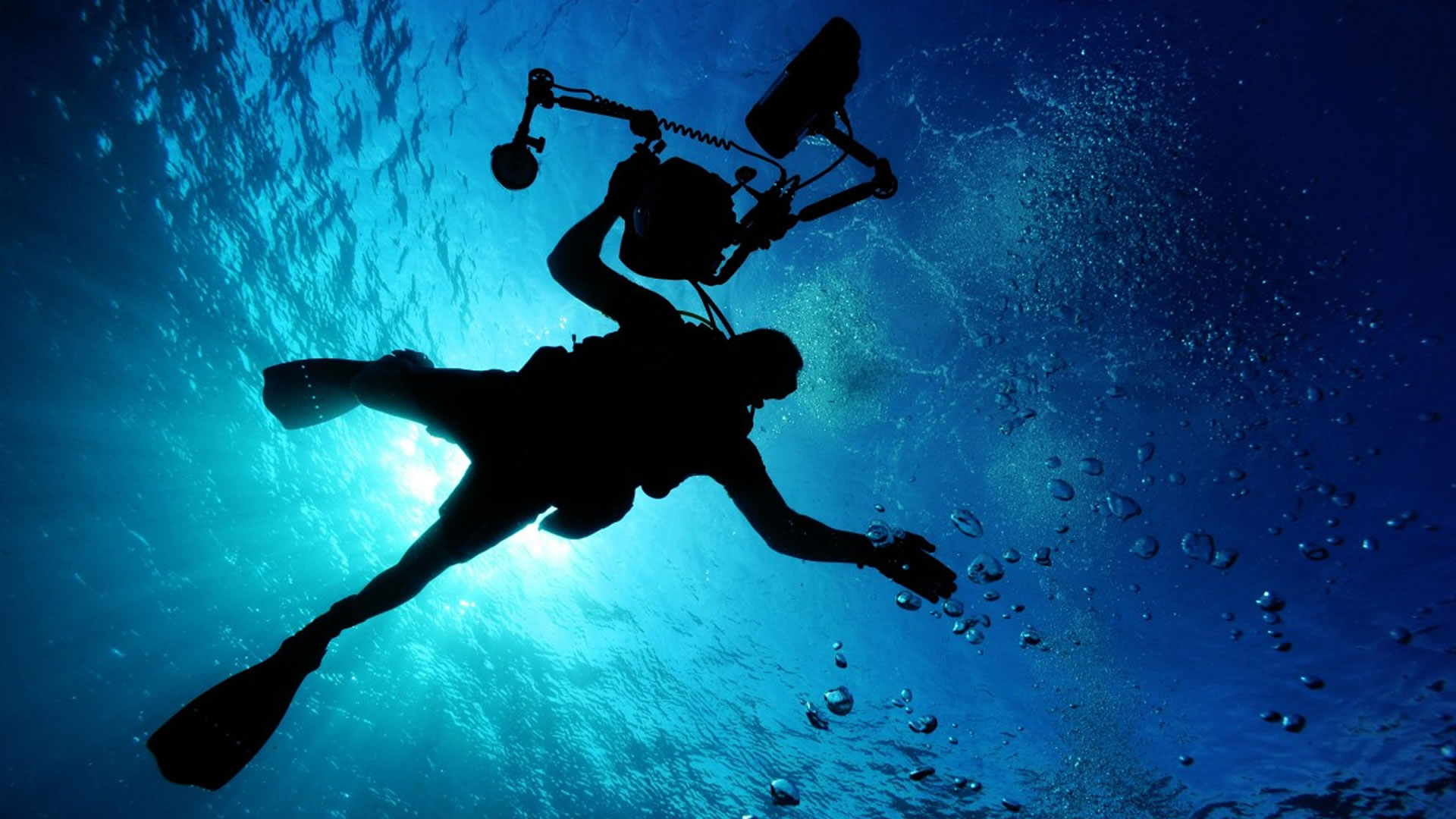
The new Chinese equipment integrates intelligent propulsion into the diver’s body, allowing complex underwater missions to be carried out with reduced fatigue and greater metabolic efficiency.
The development of underwater technologies has reached a new level with the creation of a robotic exoskeleton designed for divers.
Developed by a team of researchers in China, the equipment has demonstrated the ability to reduce oxygen consumption by up to 40%, allowing professionals to perform prolonged activities with significantly less physical effort.
Energy efficiency and reduction in oxygen consumption
The main benefit of the Chinese robotic exoskeleton lies in optimizing the diver’s movement underwater. Through intelligent propulsion systems, the machine assists the joints and limbs, reducing the muscle fatigue that naturally occurs due to water resistance.
-
In Somaliland’s Desert, Greenhouse Uses Sun and Seawater to Grow Lettuce, Cucumbers, and Tomatoes Without Rain: 1-Hectare Project Cools Crops, Desalinates Water, and Converts Brine into Commercial Salt

-
Trump Unveils $400 Million Boeing 747 Donated by Qatar as Temporary Air Force One Amid Boeing Delays, Sparking Debate on National Security, Costs, and Foreign Influence
-
Chinese Company Unveils Robotic Toilet That Comes to You, Featuring Lidar Sensors, Voice Command, Bidet, Hot Air Drying, UV Light, and Self-Cleaning Waste Disposal
-
Rotterdam Develops Floodable Square to Absorb Nearly 2 Million Liters of Rainwater, Doubling as Sports, Theater, and Leisure Space When Dry to Combat Urban Flooding



This direct mechanical support causes the body to require less oxygen to maintain physical performance, increasing the autonomy of underwater missions.
In addition to metabolic savings, the device allows for smoother and more controlled gliding. Tests conducted indicate that the assistance system is capable of predicting the user’s movements, applying the necessary force at the exact moment of propulsion. This synchronization between human and machine is what ensures the 40% efficiency cited in the project’s technical data.
Propulsion technology and hydrodynamic design
The structure of the Chinese robotic exoskeleton was designed with lightweight and corrosion-resistant materials, ensuring durability in hostile environments.
The design focuses on hydrodynamics, minimizing drag while the diver moves. High-precision motors are located at strategic points to propel the legs, simulating and enhancing the natural swimming motion with fins.
The electronic components of the suit are protected by pressure chambers that withstand considerable depths. Integrated sensors constantly monitor the depth, speed, and heart rate of the operator, automatically adjusting the level of assistance.
This technology transforms diving into a less exhausting activity, allowing the professional’s focus to be entirely on the technical task performed.
Practical applications in underwater operations
The use of the Chinese robotic exoskeleton opens up new possibilities for the exploration and maintenance of maritime infrastructures. Sectors such as the oil and gas industry, as well as underwater archaeology, can benefit from the extended time spent underwater.
With reduced physical strain, operational safety increases, as exhaustion is one of the main risk factors in deep dives.
Future iterations of the equipment may include assisted robotic arms for handling heavy tools on the ocean floor. The initial success in reducing physical effort validates the concept of robotic integration for the human body in high-pressure environments.
The project represents a strategic advancement in the pursuit of greater efficiency in human operations at sea.
With information Interesting Engineering





-

1 person reacted to this.