Portuguese
  Spanish


Criminal Organization Used Fake Bitcoin Platform to Lure Victims, Simulated High Returns and Required Additional Payments. Operation in Five States Resulted in Arrests, Seizure of Luxury Assets and Investigation into Money Laundering.
The Civil Police of the Federal District dismantled a criminal organization that, according to investigations, deceived investors through a fake cryptocurrency platform and moved over R$ 1 billion last year.
The group, led by foreigners operating in downtown São Paulo and presenting themselves as “doctor in economics from USP”, lured victims on messaging apps and directed funds to the so-called Ebdox.
According to the CNN Brasil portal, the operation, launched on Wednesday (3), executed warrants in the Federal District, Bahia, São Paulo, Mato Grosso do Sul, and Roraima.
-
How to Unclog Showerhead Holes Blocked by Limescale and Hard Water Without Replacing or Hiring a Technician

-
Award-Winning Korean Electric Scooter Concept Folds to Briefcase Size, Eases Transport Challenges

-
YouTuber Discovers Surreal Collection in 400-Year-Old Italian Fortress Near Florence: 419 Anvils, Giant Walruses, Ancient Church, and WWII Tunnels
-
Creative Uses for Toilet Paper Rolls That Will Change Your Perspective


How the Scam Worked
The investigations began after residents of the DF reported financial losses in WhatsApp groups managed by a supposed expert with a highly prestigious academic title.
Initially, the character established himself as a reference, providing tips and market analyses.
Then, he recommended the Ebdox platform, which promised high earnings through Bitcoin operations and simulated, in real-time, balances and profitability.
The withdrawal method exposed the fraud. Every time the victims requested a withdrawal, there was a claim of a blockage imposed by a Federal Police task force.
They claimed that the release would require an additional payment of 5% on the applied amount. Even after the supposed collateral was settled, the funds were not returned. Shortly afterward, the page went offline, cutting off contact with investors.

The Ebdox Operation
The police action was named Ebdox Operation and executed 21 search and seizure warrants and three temporary arrest warrants.
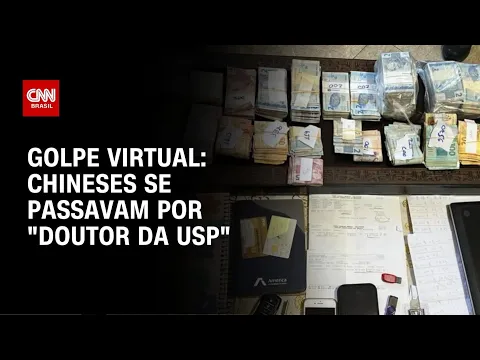
So far, two people have been arrested. At addresses linked to the suspects, teams seized cash and luxury items.
All seized material will be analyzed to trace the flow of money and identify the involvement of others.

Structure of the Criminal Scheme
What has been identified is that the leaders of the scheme are Chinese citizens operating from downtown São Paulo.
The group also involved Brazilians responsible for translating and mediating contacts, as well as managing online groups where guidance was passed on.
According to the PCDF, “there was a rigid monitoring structure of these individuals,” who followed response catalogs in Chinese and received in cryptocurrencies.
This dynamic helped standardize approaches and made tracking more difficult. The narrative of the fake academic resume played a central role in recruitment.
The supposed “doctor from USP” spoke in technical terms, maintained a constant presence in conversations, and reinforced the idea that Ebdox was an exclusive opportunity.
Meanwhile, the platform displayed screens that imitated legitimate brokers, including graphs and statements, which increased the confidence of those making larger investments.
Victims and Losses
The results of the fraud spread across different regions. Over 400 complaints from Ebdox victims have already been registered.
In Taguatinga (DF), an investor reported a loss exceeding R$ 220,000 after following the group’s instructions and making successive investments.
Cases like this indicate that the scam sustained itself through months of digital relationship, using financial jargon and promises of returns above market average.
Money Laundering
In the money map, police point to the use of multiple fronts to lend an appearance of legality to the funds obtained.
Reported practices include the purchase of cryptocurrencies, trading carbon credits, and exporting food as instruments of money laundering.
By combining operations in different sectors, the suspects would have reduced the visibility of the transfers and made tracking more difficult.
Ongoing Investigation
With the launch of the operation, investigators are focusing efforts on analyzing cell phones, computers, documents, and statements that were seized.
The expectation is to identify the complete chain of transfers, map cryptocurrency wallets associated with the group, and locate intermediaries who assisted in the collection and movement of funds.
Any high-value assets seized may, by judicial decision, be allocated for the restitution of victims.
As for accountability, the members of the scheme are expected to be charged with fraud (electronic fraud), criminal organization, and money laundering.
The PCDF is also assessing the need for cooperation with other security forces to deepen lines involving international transactions and the participation of foreigners.
The confirmation of the real identity of those posing as academics and the role of translators and recruiters are among the priority points of the investigation.
Evidence and Challenges
The evidentiary core gathers recurring elements. On one side, converging reports from victims about the promise of returns and the requirement of 5% to unlock supposedly blocked withdrawals by the Federal Police.
On the other, the disappearance of the platform after a new charge and the pattern of transactions identified by the intelligence sector.
As the case progresses, police are working to assess how many investors were effectively reached by the scam and the national extent of its operation, since warrants were executed in four states in addition to the Federal District.
There are currently no public details regarding recovered amounts.
The progress of this stage depends on the breaking of secrecy of accounts, tracking digital wallets, and cooperation with financial institutions and regulatory bodies.
Meanwhile, victims continue to file reports and provide information that can aid the investigation, including screenshots of conversations, email addresses, profiles used by recruiters, and proof of transfer.