Portuguese
  Spanish


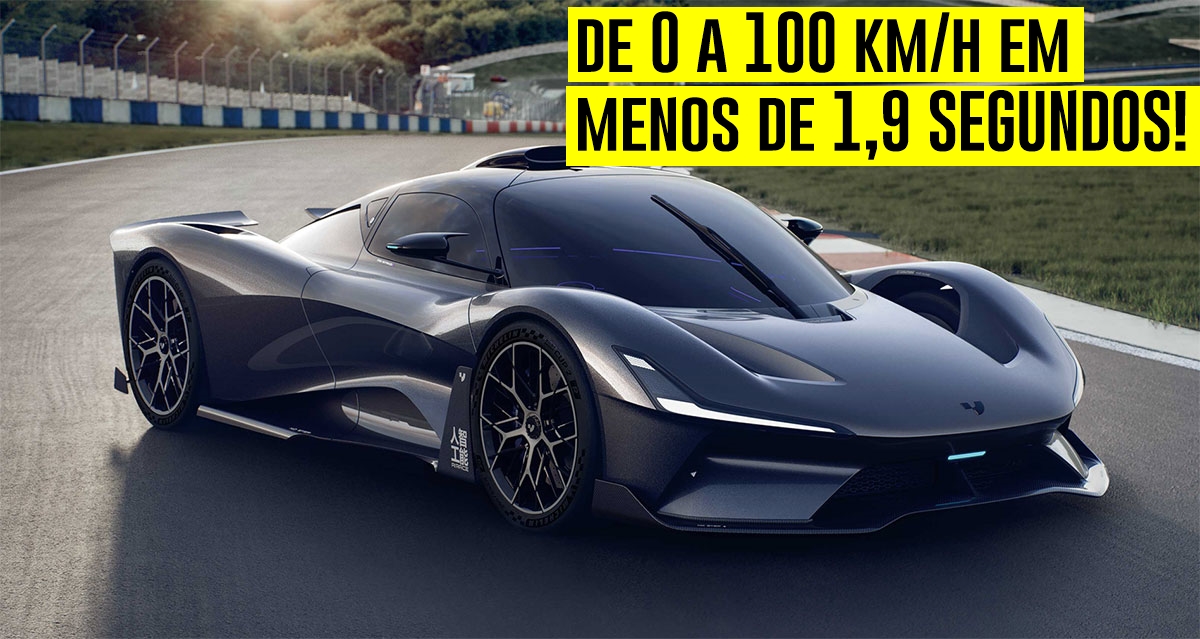


A Chinese Sports Car Surprises By Combining Artificial Intelligence And Impressive Speed, Challenging Giants Like Ferrari And Lamborghini
The electric vehicle industry is growing at an impressive rate, with innovations being launched all the time. One of the most recent and promising releases is the JiYue Robo X, a fully electric sports car manufactured by the Chinese company JiYue, controlled by the giant Baidu.
This car is not just another electric vehicle; it comes equipped with cutting-edge artificial intelligence (AI) technology and promises to challenge the competition in the sports car market.
Amazing Performance: From 0 To 100 Km/h In Less Than 1.9 Seconds
One of the most impressive features of the JiYue Robo X is its acceleration. The sports car can go from 0 to 100 km/h in less than 1.9 seconds. This mark places the Robo X among the fastest vehicles in the world.
-
2027 Toyota Corolla Cross Unveiled: New Design, Enhanced Fuel Efficiency, Reduced Maintenance Costs, Advanced Technology, Connected Services, and Up to 10-Year Warranty

-
Fiat Cronos Precision 2018: Affordable Sedan with Spacious Trunk and Reliable Maintenance
-
Volkswagen to Cut Production by 1 Million Cars by 2030, Reducing Jobs and Platforms, Focusing on More Profitable Models

-
Toyota Launches First 100% Electric Car in Brazil: bZ4X with 343 HP, All-Wheel Drive, 361 km Range, Priced at $419,990 BRL, Limited to 99 Units




Its powerful liquid-cooled quad powertrain, an innovative technology, ensures impressive performance.
The Robo X is not only fast but also intelligent. Combining autonomous driving and advanced AI, the vehicle offers a smart driving experience that stands out in the world of sports cars.
However, despite its bold claims, it remains to be seen whether the JiYue Robo X will deliver everything it promises when it is launched.
The Design Of The Chinese Sports Car
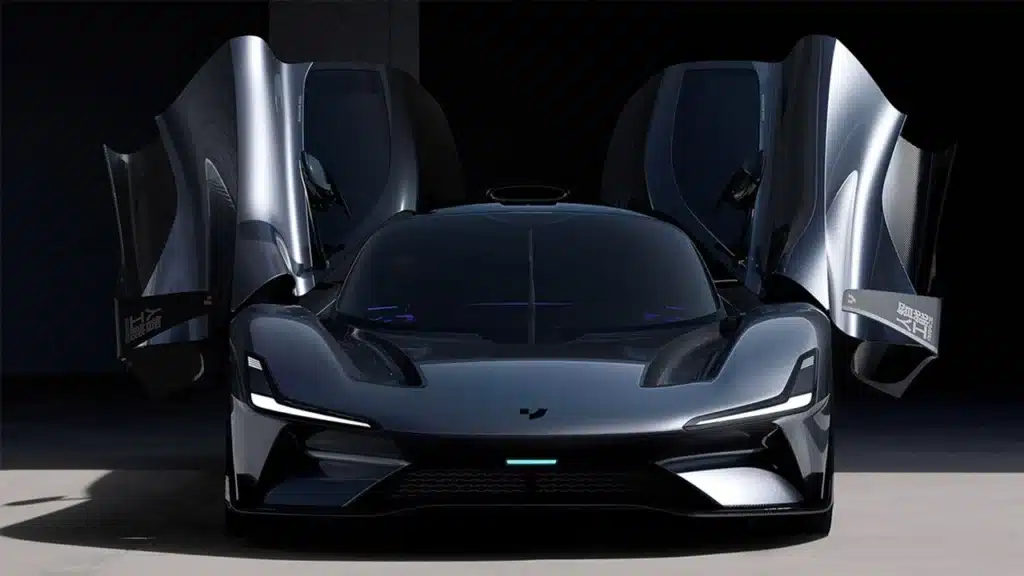
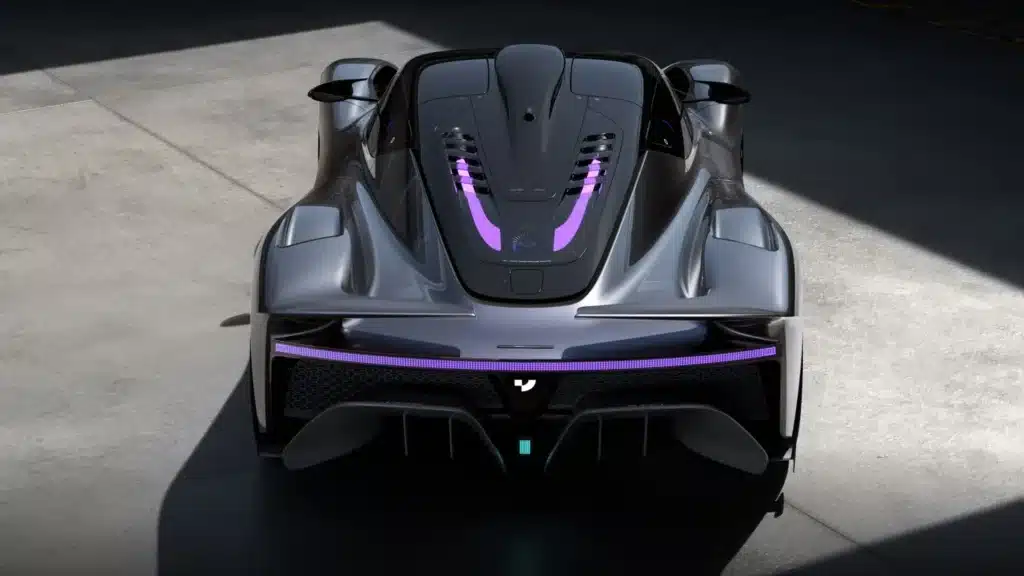
The design of the JiYue Robo X is another standout point. The vehicle won the German Red Dot Design Award 2024 and the German Design Award 2025, standing out for its futuristic and innovative aesthetics.
From a distance, it looks like a regular sports car, but upon closer inspection, it is clear that there is something unique about its structure and style.
In addition to its impressive performance and design, the JiYue Robo X also stands out for its range. The car can travel up to 400 miles (approximately 640 km) on a full charge, which is an excellent mark for a high-performance hypercar.
However, it is not the only one that excels in this regard. Competitors like the Aspark Owl SP600 and the Rimac Nevera, both high-performance electric vehicles, have also shown impressive accelerations, with the Aspark Owl reaching 100 km/h in just 1.69 seconds and the Rimac Nevera in 1.81 seconds.
Despite these comparisons, JiYue believes that the Robo X is on the right track to become one of the leaders in this segment. The manufacturer expects to begin deliveries of the vehicle in 2027, marking the start of a new era for electric sports cars.
The Future Of Robo X
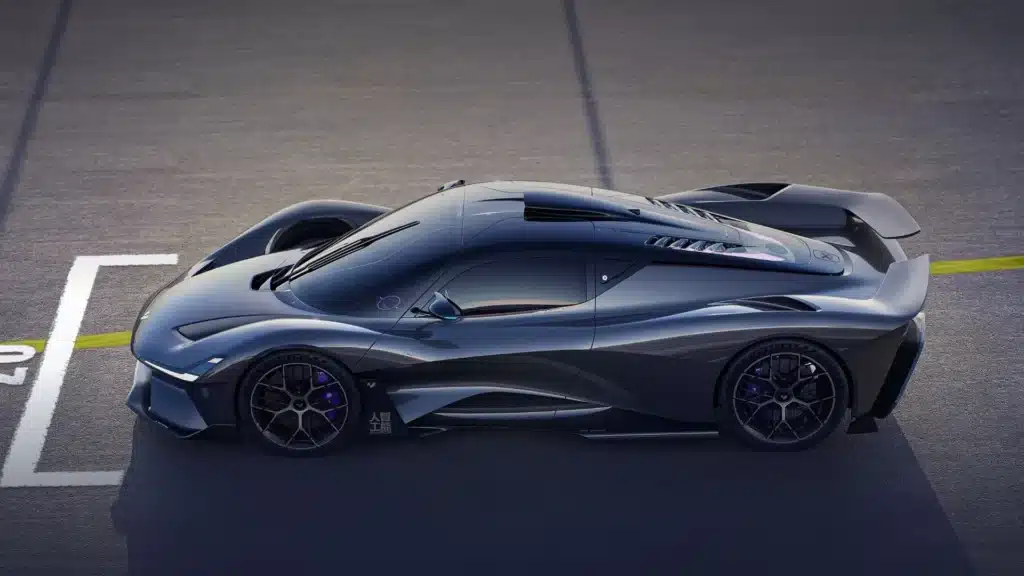
The JiYue Robo X has yet to be launched, but it has already generated great expectations in the market.
The entry of major competitors into the electric hypercar market is making the landscape increasingly interesting, with vehicles like the Bugatti Tourbillion still dominating the gasoline-powered car world.
However, it is possible that, in the future, electric sports cars like the Robo X become increasingly common, leaving behind fuel-powered beasts.
The question that remains is: will the JiYue Robo X be able to deliver on its promises and carve out its space in the market? Only time will tell.