






 Portuguese
  Spanish


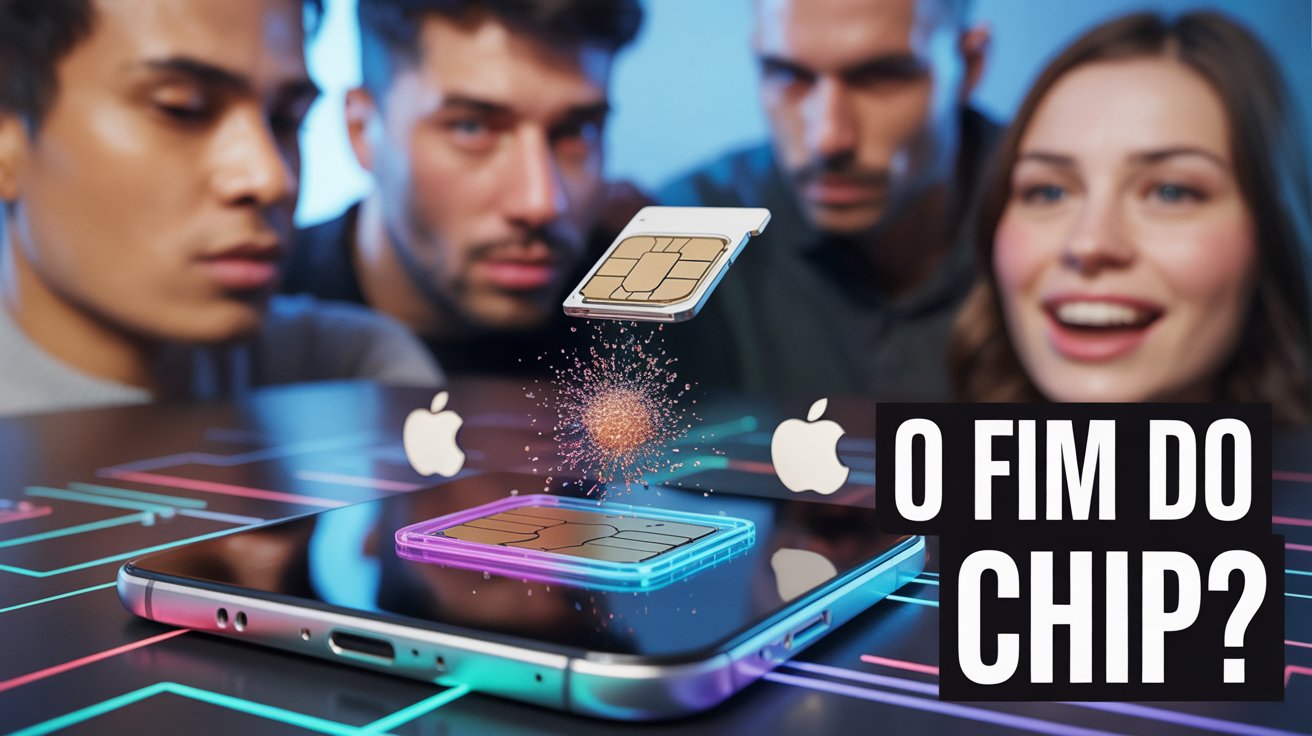


Manufacturers and Operators Accelerate the Transition from Physical SIM Card to eSIM, Changing Device Design and the Way Users Activate Their Lines. Innovation Already Impacts the Technology and Mobile Communication Market in 2025.
The replacement of traditional physical SIM cards with eSIM, the so-called virtual SIM, is consolidating as one of the biggest trends in the mobile telecommunications industry in 2025.
Major manufacturers such as Apple, Samsung, and Motorola, along with leading global operators, are intensifying investments in a technology that promises to completely transform users’ relationships with their smartphones, signaling that the famous SIM card slot is heading for obsolescence.
What Is eSIM and Why Is the Technology Growing
The eSIM, short for “embedded SIM,” is an electronic chip integrated directly into the device’s board, eliminating the need for removable plastic cards.
-
Xiaomi 18 Pro and 18 Pro Max May Debut with Snapdragon 8 Elite Gen 6 Pro, Featuring Dual 200 MP Cameras and 8,500 mAh Battery, Ahead of Competitors

-
ispace Pays SpaceX $50 Million to Hitch a Ride on Starship, Aiming for a Shared Commercial Route to the Moon by 2030

-
Solar-Powered Cell Tower to Connect 10,000 Residents on Remote Brazilian Island, Reducing Diesel Dependence
-
Snowman-shaped asteroid captured by Hayabusa2 probe during flyby just 10 km away


This innovation allows phone lines and data plans to be activated, switched, or managed digitally, without the need to open the phone or handle physical parts.
This new approach, already widely adopted in the United States since 2022 with the launch of the iPhone 14, is beginning to gain traction in other markets and accelerates the trend toward more compact and protected devices.
Recent data from the Global System for Mobile Communications Association (GSMA) indicates that, by June 2025, at least 441 operators in 98 countries will offer support for eSIM.
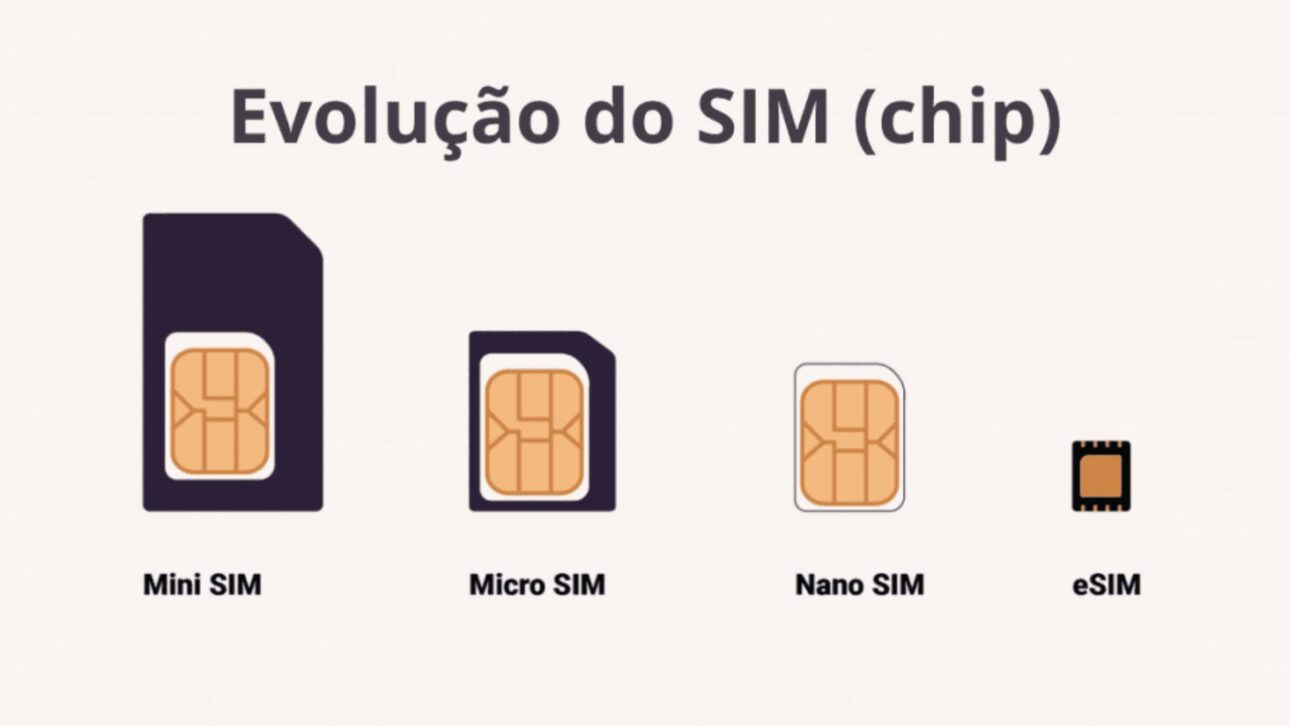
In Brazil, major operators – such as Vivo, Claro, and TIM – already provide the technology for smartphones, smartwatches, and other connected devices.
Telecommunication experts assert that the demand for convenience and security is the main driver of this growth, reflected in the increase in sales of compatible devices and the expansion of international support.
Apple Leads the Transition to the Virtual SIM
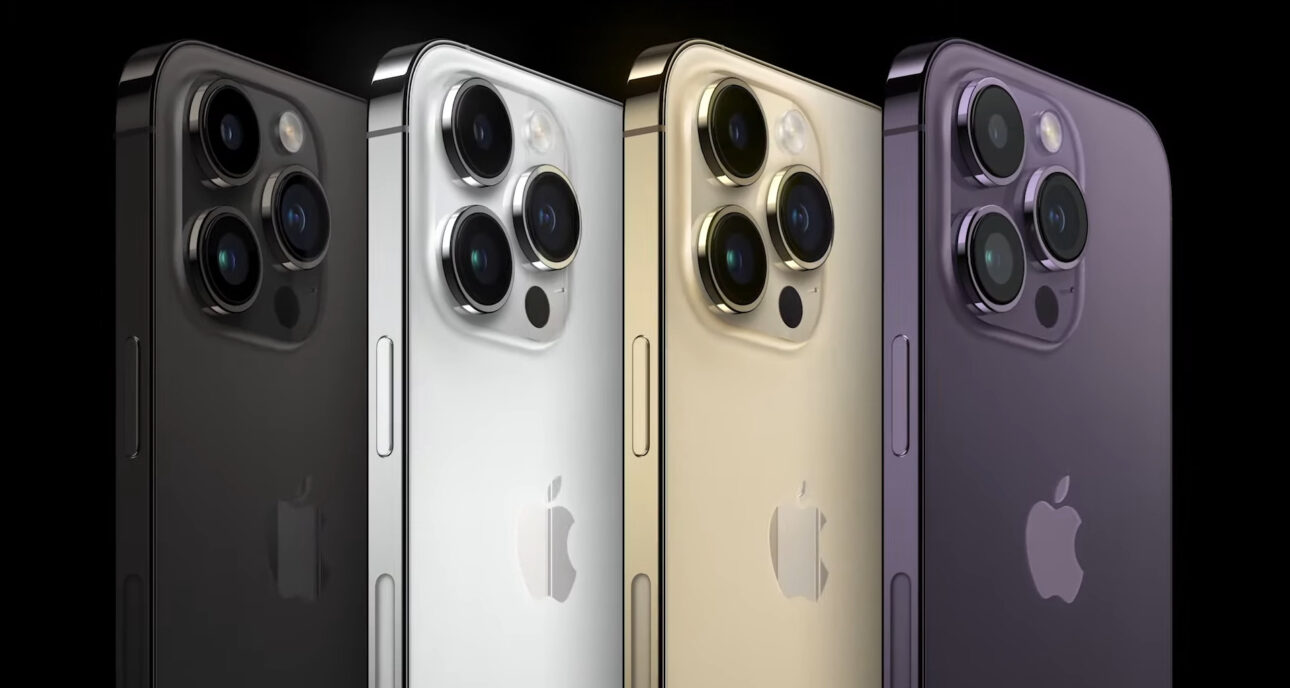
Apple has been leading this movement since 2022 by launching the iPhone 14 without a slot for a physical SIM card in the United States.
According to international outlets like El País and TechRadar, the strategy will be expanded in September 2025 with the anticipated iPhone 17 Air, which is expected to reach markets beyond the United States, focusing exclusively on eSIM.
The model, described as ultra-thin with advancements in water and dust proofing, marks the beginning of a new generation of smartphones designed from the ground up to work only with the virtual SIM.
Samsung, another giant in the industry, also reinforces the advancement of the technology.
Models from the Galaxy S line and some mid-range devices sold in Brazil already offer compatibility with eSIM.
According to information from the manufacturers themselves, this compatibility expands the range of digital services and allows users to activate multiple numbers, domestic or international, without depending on the physical acquisition of SIM cards, catering to both frequent travelers and companies seeking flexibility for their employees.
Practical Advantages of eSIM for Consumers
The main differentiator of eSIM, according to industry sources, is convenience.
Instead of physically changing the SIM card when switching operators, consumers can perform all activation digitally, via QR code or app, in just a few minutes.
This convenience is seen as essential for travelers, who can purchase temporary international plans directly from their smartphones, without queues or trips to stores.
Another advantage highlighted by manufacturers is the enhanced design of devices: without the need for a tray, phones can become thinner, lighter, and more resistant to water and dust.
Challenges and Limitations in Adoption of the Virtual SIM
Despite the progress, the transition to eSIM faces obstacles in certain markets.
Some regions still experience limitations in operator support, especially among smaller companies or in less urbanized areas.
In Brazil, despite the growing number of compatible devices and the support of major operators, many users still face questions about the activation process, as well as restrictions on prepaid lines or specific packages.
Consumer advocacy associations emphasize the importance of ensuring accessibility of the new technology to the entire population, preventing digital exclusion during the transition.

Future of the Physical SIM and Global Trend
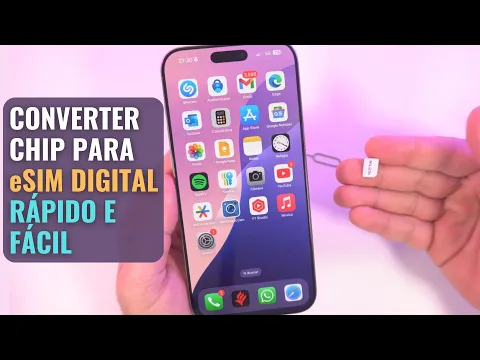
The future of the physical SIM in the mobile telecommunications sector is increasingly uncertain.
Market analysts, based on data from GSMA and manufacturers’ projections, indicate that by 2027, the majority of smartphones sold worldwide should incorporate only the eSIM, rendering the traditional SIM tray an obsolete component in devices.
The impact also extends to wearable devices, such as smartwatches and trackers, which already use the technology to ensure connectivity independent of mobile phones.
The global trend toward eSIM adoption reflects a constant search for innovation, security, and convenience in mobile technology use.
The replacement of the physical SIM with virtual solutions aims to reshape not only user experience but also the logistics of operators, the design of devices, and the dynamics of digital service offerings.
Do you like the idea of abandoning the physical SIM and fully embracing eSIM in smartphones? Has your phone already come without the old slot?


