Portuguese
  Spanish


Rumors about the Xiaomi 18 line reinforce the anticipated competition among premium Android phones, with new Snapdragon, high-resolution cameras, larger battery, and a launch strategy linked to Qualcomm’s main annual event for high-performance mobile devices.
Xiaomi may open a new phase of competition among premium Android phones with the Xiaomi 18 line, rumored to be one of the first candidates to use the next generation of Snapdragon 8 Elite Gen 6 chips.
Although the Chinese manufacturer has not yet confirmed the devices, specialized publications indicate that the launch may occur around the Snapdragon Summit 2026, an event where Qualcomm usually presents its main innovations for mobile devices.
Scheduled for September 22 to 24, 2026, in Maui, Hawaii, the event is expected to serve as a showcase for Qualcomm’s next top-of-the-line platform, increasing expectations around the first phones equipped with the chip.
-
ispace Pays SpaceX $50 Million to Hitch a Ride on Starship, Aiming for a Shared Commercial Route to the Moon by 2030

-
Solar-Powered Cell Tower to Connect 10,000 Residents on Remote Brazilian Island, Reducing Diesel Dependence
-
Snowman-shaped asteroid captured by Hayabusa2 probe during flyby just 10 km away

-
Scientists Discover Clue in Rodent Brains Explaining Why Early Childhood Memories Fade Over Time


Xiaomi 18 may debut shortly after Qualcomm event
Within this schedule, Xiaomi would try to repeat a strategy already used in previous generations, by quickly presenting its flagships and associating the brand with the commercial arrival of Qualcomm’s most advanced processor.
The information published by Pandaily indicates that the Xiaomi 18 family should consist of three models, with standard, Pro, and Pro Max versions, each positioned in a different range of the premium segment.
According to the same findings, the Xiaomi 18 Pro Max would feature the Snapdragon 8 Elite Gen 6 Pro, while the Xiaomi 18 and Xiaomi 18 Pro would use the conventional version of the Snapdragon 8 Elite Gen 6.
As part of the configurations still appears in prototypes and market estimates, the data needs to be treated with caution until Xiaomi releases the final technical specifications of the new generation.
So far, there is no public confirmation about commercial names, definitive architecture, prices, international availability, or complete differences between the models that may integrate the future Xiaomi 18 line.
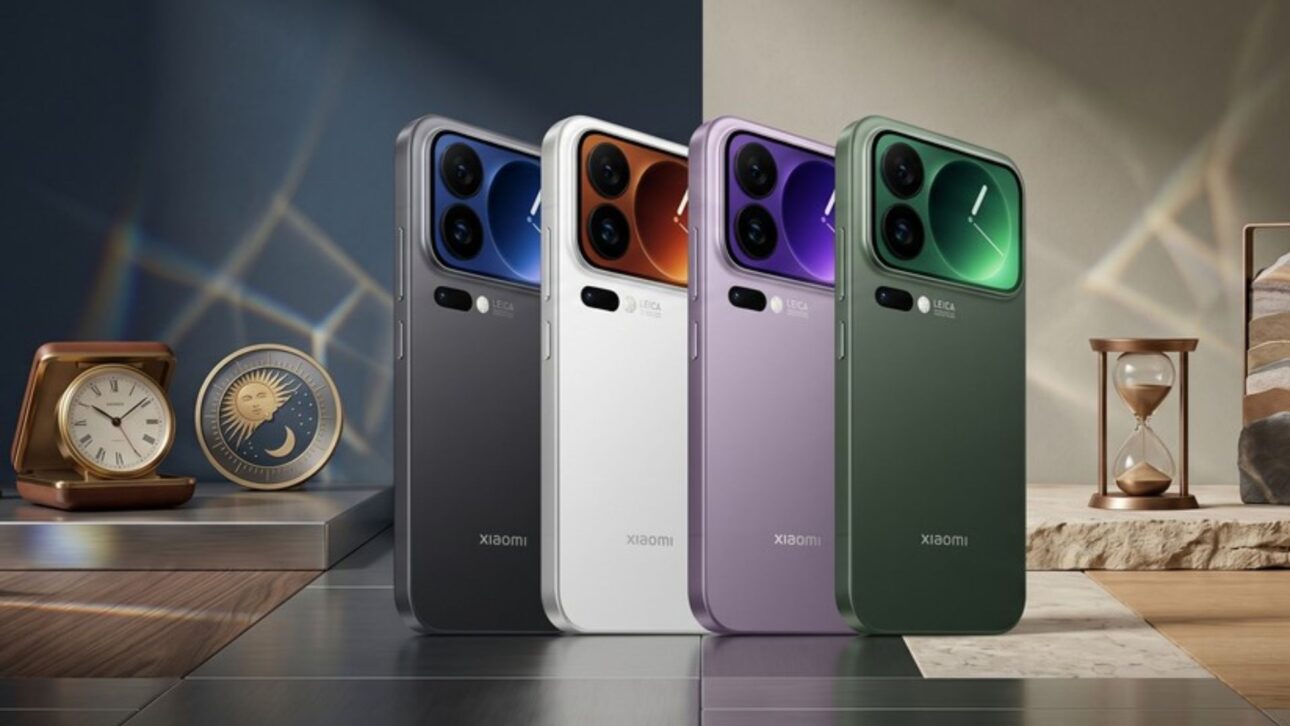
Even so, the speculated schedule draws attention because it would place the brand’s most advanced models in a release window right after Qualcomm’s annual event.
If the forecast is confirmed, the Chinese manufacturer could get ahead of rivals also competing to debut the first phones with the latest top-of-the-line chip.
Xiaomi 18 Pro Max targets 200 MP cameras
In the most advanced model, leaks mentioned by Android Central mention a more robust photographic set, with a 200 MP main sensor and a macro telephoto lens also of 200 MP.
The publication attributes the details to the informant Digital Chat Station, known for anticipating information about Chinese devices before the manufacturers’ official announcements.
In addition to the cameras, the same source indicates that the Xiaomi 18 Pro Max may receive a battery above 8,000 mAh, accompanied by 100 W wired charging.
This data does not yet confirm the 8,500 mAh capacity mentioned in parallel rumors, but reinforces the expectation of a significant leap in autonomy for the next generation.
Another point under discussion is the rear display, a feature already used in recent Xiaomi models and which may gain new functions in the more expensive devices of the line.
According to Android Central, there is speculation that this secondary panel will grow, receive brightness improvements, and include functions related to privacy and the use of the rear camera for selfies.
Technical specifications still depend on official announcement
Among the specifications associated with the Xiaomi 18 Pro and Xiaomi 18 Pro Max are high refresh rate AMOLED screens, IP68 certification, ultrasonic fingerprint reader, vapor chambers, and wireless charging.
For now, these details remain in the realm of rumors and should not be treated as definitive features before an official announcement from Xiaomi.

There are also mentions of LPDDR6 memory, UFS 5.0 storage, Adreno 850 GPU, Android 17, and HyperOS 4, but none of these points have been confirmed by the manufacturer.
Since software names and hardware standards may change before commercial release, the list of features should be read as market expectations, not as a finalized spec sheet.
The adoption of a 2-nanometer chip, if confirmed, would be one of the most relevant points of the generation due to the pursuit of more performance and energy efficiency.
In practice, however, the real gains would depend on the final design of the processor, the cooling system, battery capacity, and the optimization done by Xiaomi in each model.
This type of competition usually gains visibility because the first phone with a new chip attracts consumers interested in benchmarks, cameras, autonomy, and sustained performance in games or heavy tasks.
For Xiaomi, anticipating the debut would also help position its Pro and Pro Max models against direct rivals in the high-end Android market.
Price and global launch remain undefined
Rumors mention a high cost for the Pro version of the chip, but there is still no public confirmation from Qualcomm or Xiaomi about the prices charged per unit.
For this reason, any estimate of the final price of the phones needs to be taken with caution, as taxes, memory, storage, and country of sale directly influence the consumer price.
Global availability also remains undefined, especially since Xiaomi usually launches some flagships first in China and only later brings part of the line to other markets.
Until the company officially presents the family, there is no confirmation about which Xiaomi 18 models will arrive in other countries or if all versions will have international distribution.
If the information published so far is confirmed, the Xiaomi 18 Pro Max tends to be the most ambitious model of the family, combining the new Snapdragon, larger battery, and high-resolution cameras.
The question is whether this set will be enough to pressure premium rivals and attract users accustomed to waiting for the most traditional releases in the sector.
With the debut of the new Snapdragon approaching, will Xiaomi be able to turn these rumors into a launch capable of truly shaking up the competition among the most expensive phones on the market?