






 Portuguese
  Spanish


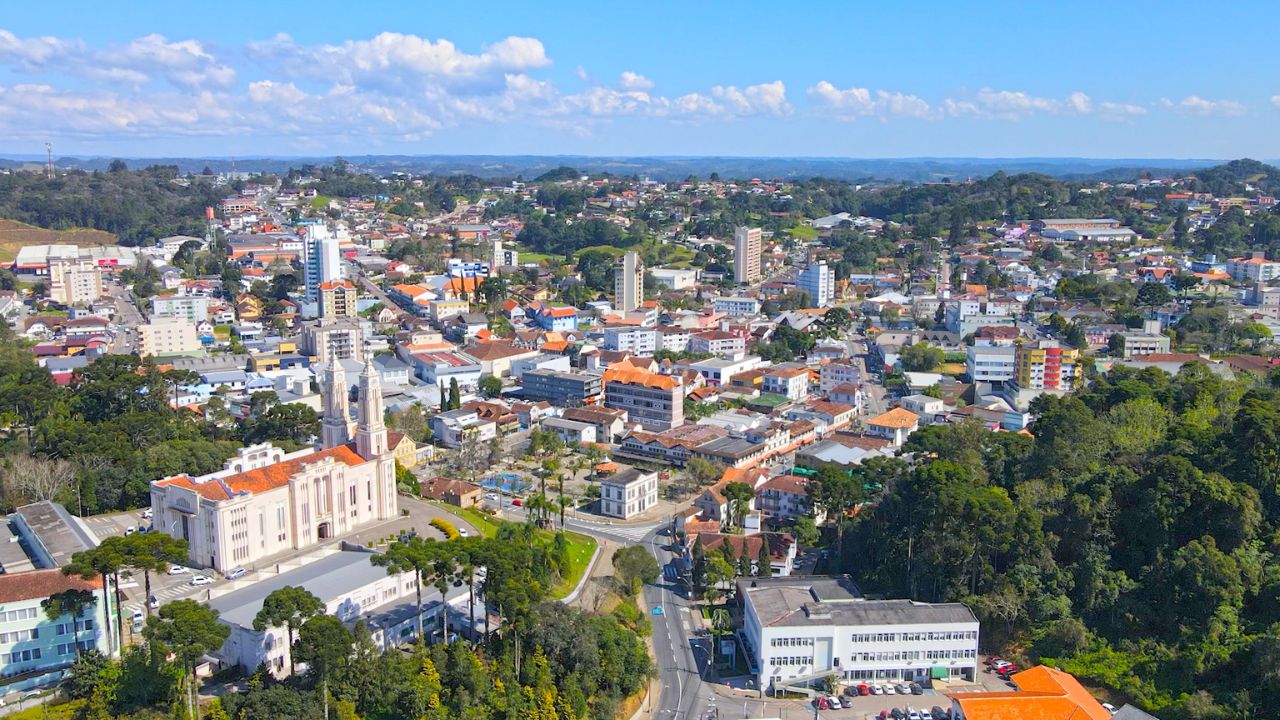


Between Araucarias and Refined Architecture, Municipality in the Northern Highlands of Santa Catarina Unites Safety, Industrial Power, and Affordable Cost of Living, Offering a European Refuge in Southern Brazil, According to Analysis by Canal Sincero SC.
The Northern Highlands of Santa Catarina holds a successful secret: São Bento do Sul. Far from the bustling coastline, but just 100 km from Curitiba, this charming first-world city embodies the mountainous stereotype: strong culture, architecture inspired by German customs, and a predominantly mild climate, marked by fogs and cold, ideal for those seeking quality of life and safety. The municipality has been highlighted by Canal Sincero SC for its charm and organization, having utilized the mountains’ topography to create an urban core where even slopes have turned into refined squares, rivaling the level of detail found in renowned tourist destinations.
What immediately catches the eye in São Bento do Sul is the sense of order and prosperity that, according to observations by Canal Sincero SC, contrasts sharply with the “standard” scenery found in many Brazilian cities. The absence of graffiti, trash, and the notable urban organization give the city a sophisticated air. This excellence in public and private care is linked to studies correlating neighborhood organization and mutual trust among residents with high levels of happiness and well-being, making the first-world city a true oasis to live in.
Culture, Architecture, and the City’s Robust Economy
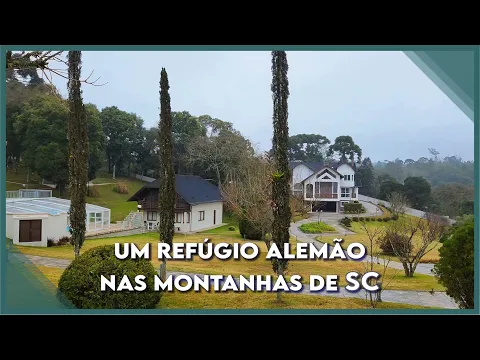

The essence of the first-world city of São Bento do Sul is defined by its rich cultural heritage and robust economic base, which remains independent of mass tourism. The local architecture is a spectacle in itself. Beyond the center, neighborhoods like Oxford hold true gems, such as a remarkable church noted for its marble work, details, and ornaments that evoke the classical era. The focus on coziness and aesthetics is palpable, as evidenced by the newly inaugurated Bosque São Bento, a meticulously planned square that has a level of sophistication and detail comparable to Gramado, showcasing the high potential of local landscaping.
-
Artesian Well Becomes Lifeline for Small Brazilian Farm: Drilling Reaches 60 Meters, Finds Marble, Navigates Rock Fissures, and Strikes Fresh Water

-
Street Cleaner in Brazil Finds Discarded Books That Helped His Wife Pass Civil Service Exam and Become Police Captain
-
July’s Night Sky to Feature Planetary Alignments, New Moon, Venus at Sunset, Buck Moon, and Two Meteor Showers

-
Fisherman Catches 18kg Catfish Near Brazil’s Itaipu Lake, Among Largest Recorded in Recent Years



Despite having around 85,000 inhabitants, the city’s economy is surprisingly strong. São Bento do Sul is one of the largest furniture hubs in Brazil, exporting high-quality furniture to various countries, in addition to hosting major industrial names such as Tuper (metalworking sector), Condor (plastics), and Oxford and Buddemeyer. The industrial vocation ensures jobs, although the net salary from factories, as found by Canal Sincero SC, remains at modest levels (around R$ 2,000). However, the cost of living is a compensatory factor and a big attraction, as we will see ahead.
Cost-Effectiveness and Safety: The Pillars of Quality of Life
The significant competitive advantage of this first-world city lies in the combination of high quality of life with a more affordable cost, especially when compared to coastal neighbors. While in Balneário Camboriú and surrounding areas, the price of gasoline can reach R$ 6.50, in São Bento do Sul it has been found at R$ 4.80, indicating the lower overall cost of the region. The real estate market, although not “cheap” in the current national context, offers rents in the center around R$ 1,500 for furnished apartments, prices hard to find in other urban centers in Santa Catarina.
The greatest attraction, and a source of pride for residents, is safety. São Bento do Sul has very low levels of violence, ranking among the safest cities in Santa Catarina. The tranquility and hospitality of the people, combined with the cultural agenda, such as the typical festival Schlachtfest (a local version of Oktoberfest held in September), reinforce the sense of well-being. For those seeking a peaceful environment to retire or raise a family, this refuge offers the mountainous climate, surrounded by araucarias, away from the hustle and insecurity of large urban centers.
What Is Missing to Become the “Gramado” of SC?
Despite all the qualities that qualify it as a first-world city, São Bento do Sul still faces notable challenges that prevent its complete ascension to the level of Gramado, as suggested by the analysis of Canal Sincero SC. The main downside is the lack of basic infrastructure in many areas, creating a shocking contrast: beautiful houses that seem to have come from Europe, flanked by unpaved streets and drainage issues.
Addressing the need for asphalt, sewage, and drainage throughout the urban area is crucial. Additionally, standardization and architectural preservation, a successful path already taken by cities like Pomerode, Canela, and Gramado, would be key to valuing the city’s cultural essence. Canal Sincero SC points out that investment in infrastructure and focusing on the appreciation of the historical heritage, without letting the city grow disorderly, can boost the tourism and residential potential of São Bento do Sul, consolidating it as a first-world city not only in safety and economy but also in urban aesthetics and infrastructure.
São Bento do Sul is presented as the ideal refuge for those seeking safety and tranquility, but it may not be the place for those looking for the insane nightlife of Balneário Camboriú.
Do you, reader, prioritize safety and a lower cost of living to raise your family, even if it means less excitement and an infrastructure of streets still in development? Or would the lack of paving in some neighborhoods be a deciding factor for not living in a city like this? Leave your opinion in the comments; we want to hear from those who live in or have visited this beautiful place in practice.


