






 Portuguese
  Spanish


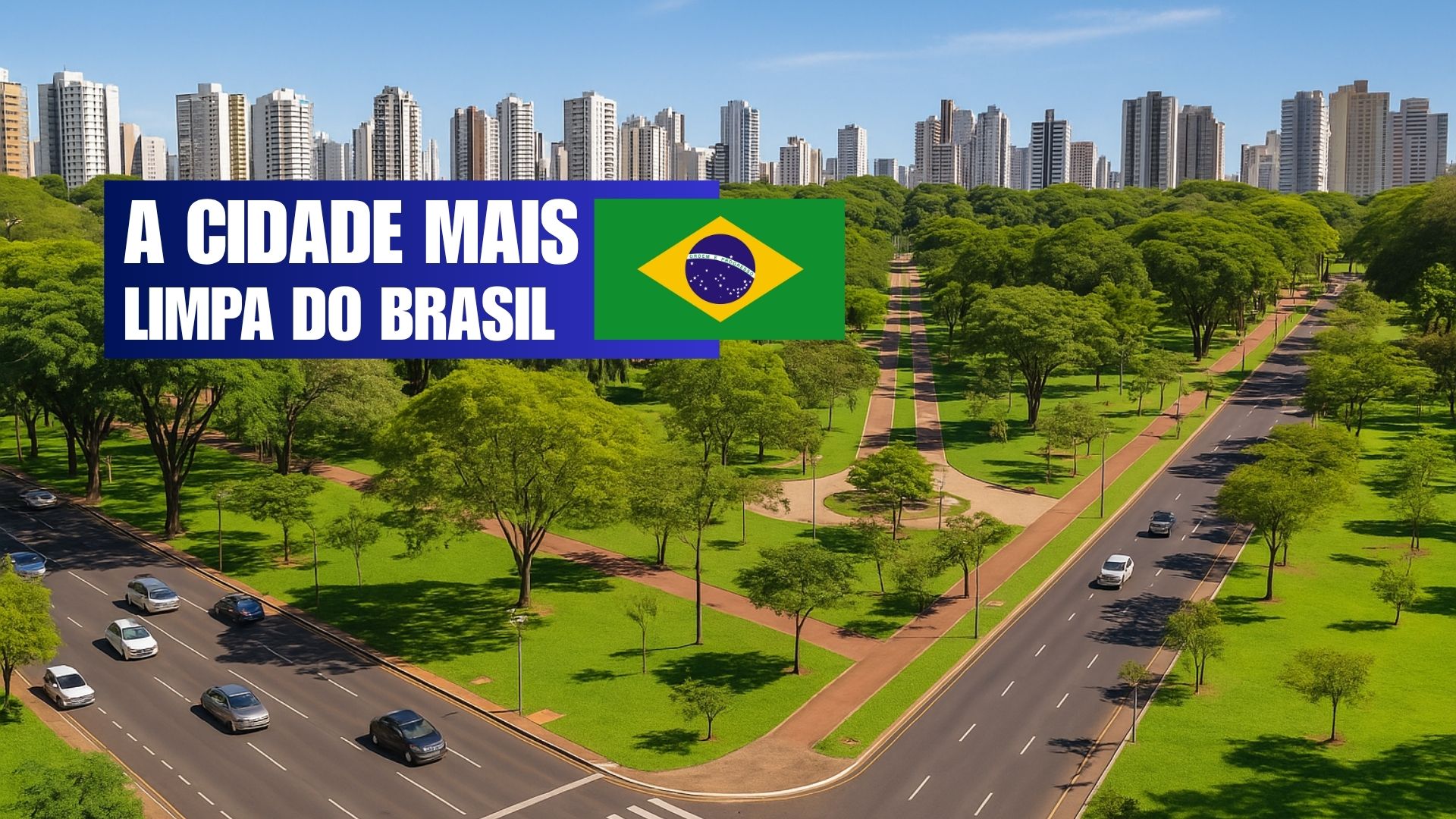
Planned From The Beginning, Maringá Stands Out In Paraná For Urban Cleanliness, Abundant Greenery, And Quality Of Life, Resulting From A Garden City Model That Combines Sustainability, Community Participation, And Efficient Management.
Maringá, in the northwest of Paraná, is often cited as a reference in urban cleanliness, planning, and quality of life.
Planned from the outset under the concept of a garden city, the area has consolidated an urban arrangement with wide avenues, central medians, and green spaces distributed throughout the neighborhoods.
According to the 2022 Census, the municipality has 409,657 residents, with recent estimates indicating continuous population growth.
-
Woman Turns Apartment into Storage with 158 Pairs of Shoes and 140 Pants, Accumulating $47,000 Debt Due to Compulsive Buying

-
Defying Medical Odds for 65 Years, 72-Year-Old Brazilian Acarajé Vendor Continues Family Legacy

-
Brazil’s Most Famous Fish Travels Over 600 km Against the Current, Overcomes Dams with Eco-Friendly Ladders, and Navigates Flooded Rivers in a Remarkable Migration for Reproduction
-
Revive Old Photos: Gemini’s Little-Known Feature Uses AI to Restore Damaged Images in Seconds with a Professional Six-Step Recovery Process



Planning That Favors Cleanliness And Well-Being
The design of Maringá dates back to the 1940s, with a project signed by Jorge de Macedo Vieira, a proponent of Ebenezer Howard’s ideas for garden cities.
This layout prioritized greenery, ventilation, and traffic organization, factors that, decades later, continue to aid in the conservation of public spaces and the sense of urban order.
Academic documents and official records describe the conception of the grid, the opening of large parks, and the use of wide axes that accommodate flows without overloading local roads.
Urban Cleanliness As A Permanent Policy
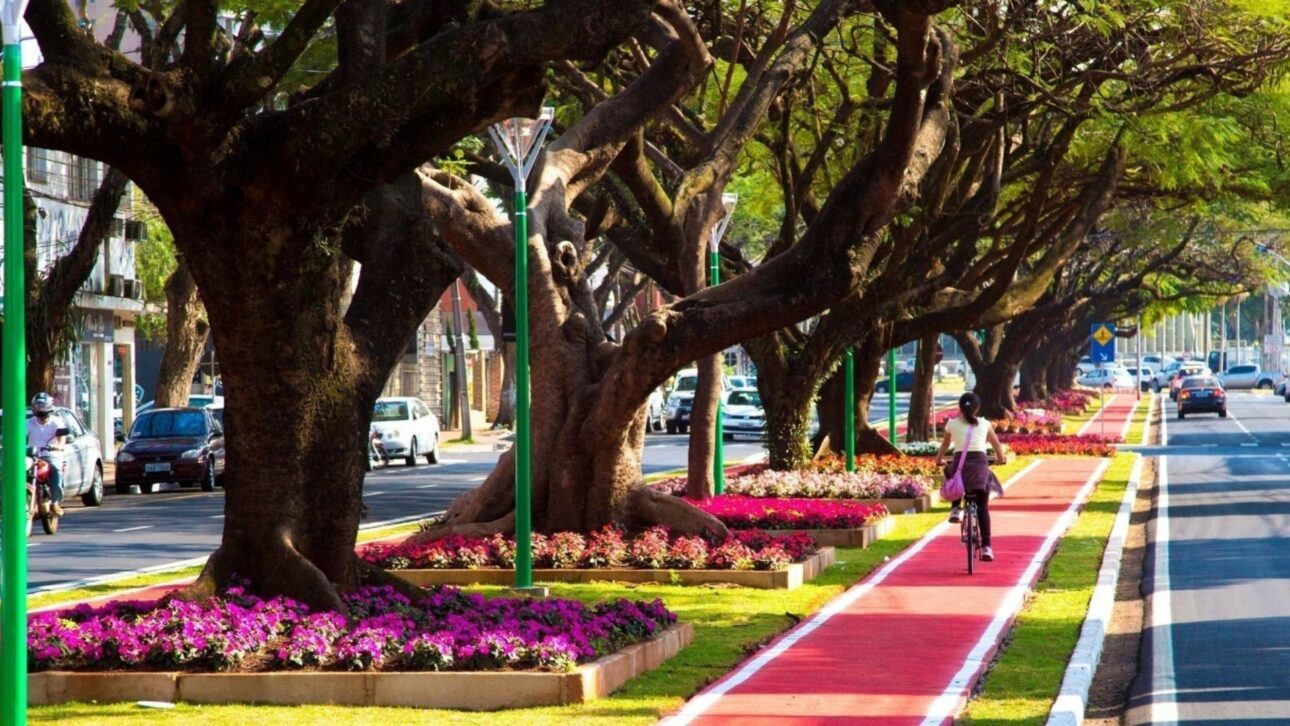
The routine of street sweeping, weeding, maintaining medians, and cleaning squares is part of a continuous program, associated with selective waste collection in various neighborhoods.
In May 2025, the city hall expanded the fleet dedicated to the service and increased the collection frequency, with specific teams for bulky waste, such as furniture and sofas.
This set reduces illegal dumping, improves transfer efficiency, and keeps streets and parks clean for longer.
Selective Collection And Community Participation
In addition to the public structure, the population’s adherence to correct disposal boosts the results.
Recent reports highlight community engagement in recycling and environmental education initiatives, reinforcing the image of an organized and well-maintained city.
The coordinated functioning between the public authorities and residents promotes sidewalk cleaning, proper waste containment, and the preservation of common areas.
Abundant Greenery And Thermal Comfort
Greenery is not just an accessory: it is part of the urban infrastructure.
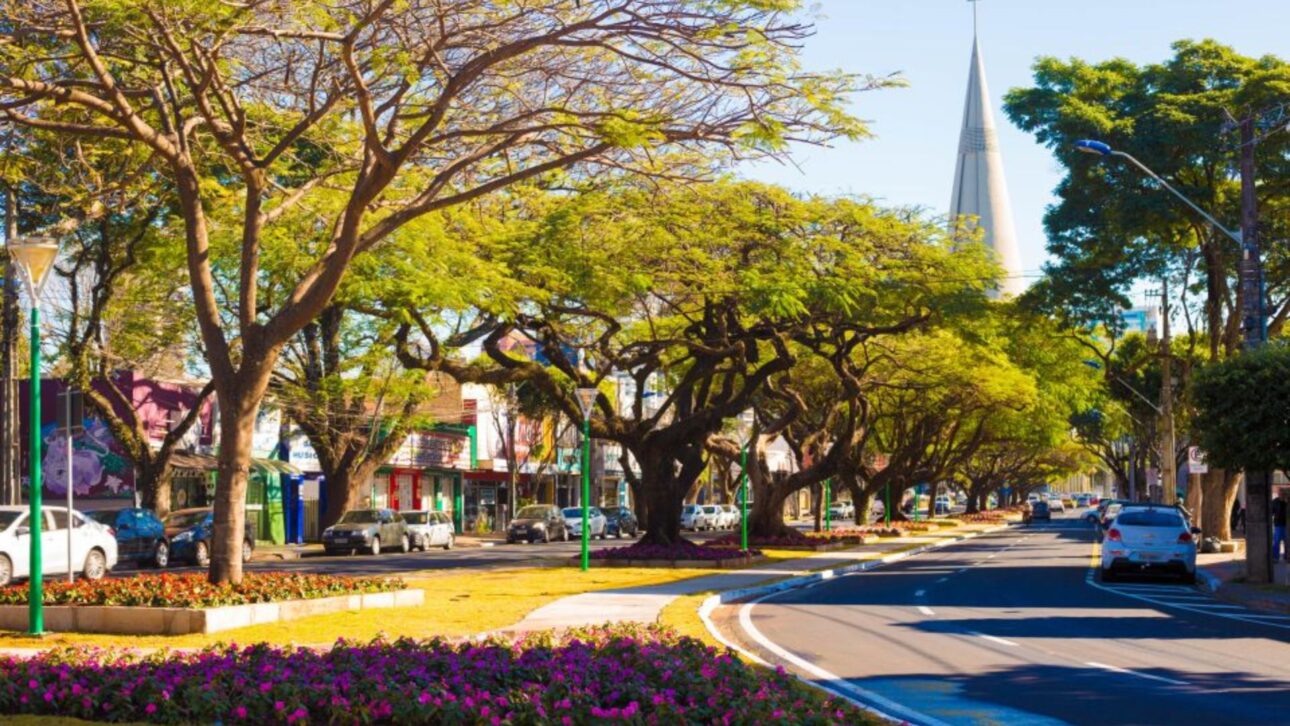
Municipal estimates point to high rates of green space per inhabitant and street tree inventories that exceed hundreds of thousands of individuals, highlighting species such as the sibipiruna.
This greenery improves the microclimate, mitigates heat islands, and enhances the landscape in avenues, linear parks, and urban woods.
Recent international recognitions, such as Tree Cities of the World, reinforce the local trajectory of tree management and conservation.
Mobility On Wide Avenues And Bike Paths
The wide avenues and the hierarchical design of the roads help distribute traffic, reduce conflict points, and prevent dirt accumulation in critical areas.
The presence of bike paths and recreational routes encourages short trips without a car, which also contributes to lower emissions and cleaner roads.
Studies on the garden city model applied to Maringá describe this combination of functionality and landscape, with central medians facilitating maintenance.
Sustainability As A Management Guideline
Local reports aligned with the Sustainable Development Goals (SDGs) register commitments in sanitation, waste, green areas, and mobility, as well as urban governance indicators.
The cleaning policy incorporates measurable targets and periodic monitoring, reinforcing the continuity of actions even amid management changes.
Recognitions And Public Image
The municipality frequently appears in rankings and reports on quality of life, greenery, and urban organization.
The visibility relies both on the historical planning and on current practices in maintaining public space.
Although the expression “cleanest city in Brazil” does not derive from a single official national ranking, the nickname is used by media outlets to describe Maringá’s performance in cleanliness, conservation, and social participation.
Numbers That Help Explain The Result
Official data from IBGE confirm the demographic basis that supports the cleaning and maintenance operation: population above 400 thousand residents since the last Census, density around 841 inhabitants per km², and municipal territory of approximately 487 km².
These parameters outline the logistics of collection, the design of routes, and the planning of teams, as well as contextualize the challenge of keeping the city clean on a metropolitan scale.
Environmental Education And Oversight
Educational campaigns, combined with guiding oversight, work to discourage illegal dumping and encourage the separation of recyclable materials.
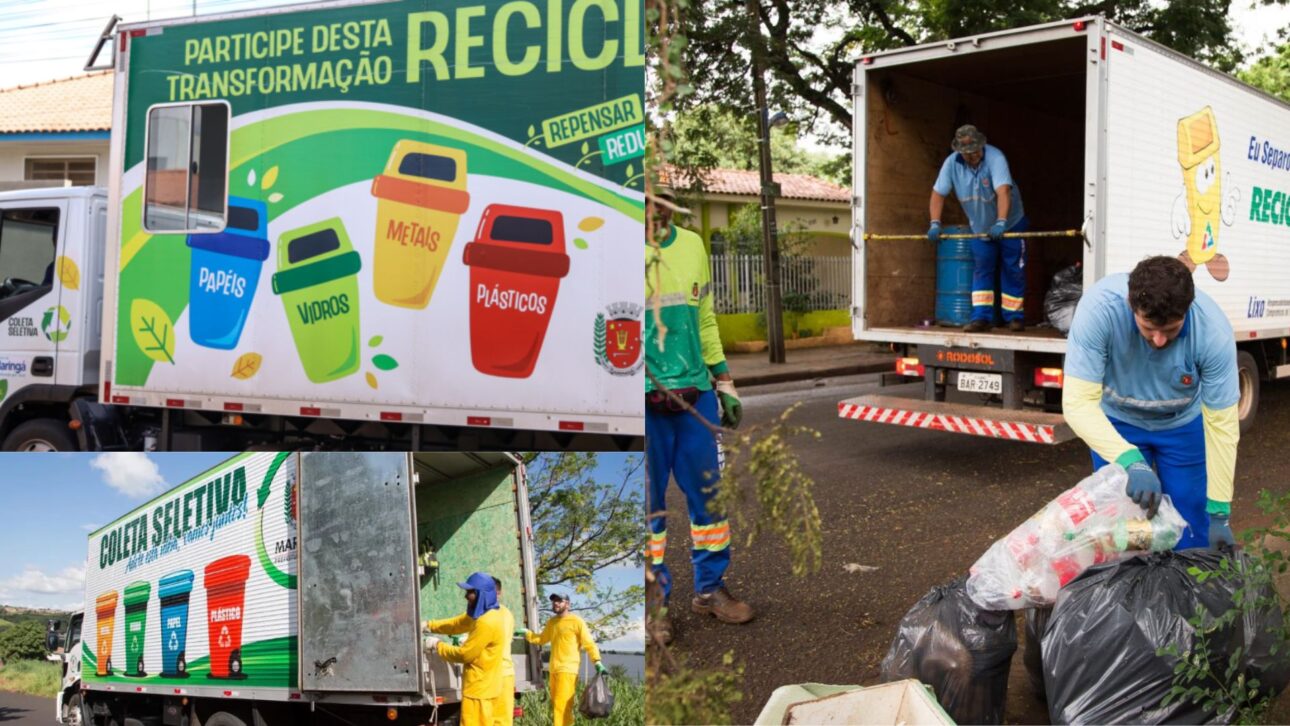
The strategy combines short-term actions — such as cleaning efforts and increased street sweeping — with structural initiatives, like contracts for selective collection, fleet expansion, and monitoring of indicators.
The combined effect is evident in the maintenance of squares, medians, and woods throughout the year.
Urbanism That Facilitates City Maintenance
Unlike cities that grew without a master plan from the start, Maringá was born with a planned layout and incorporated, early on, green reserves and generous circulation axes.
Recent academic research and municipal archives describe how this matrix influenced environmental quality, thermal comfort, and the efficiency of public cleaning.
The urban project not only beautifies: it facilitates maintenance routines and promotes collective care habits.
What The Visitor Perceives
Those who arrive find tree-lined roads, well-kept parks, and well-maintained central medians.
This combination of urban design, regular services, and social adherence helps explain why the city maintains its reputation for cleanliness and organization, while simultaneously growing and diversifying its economy.
The scenario converges towards a pattern of quality of life that includes infrastructure, outdoor leisure, and more friendly mobility.
Given this history of planning and the daily maintenance effort, what other urban policies could further elevate cleanliness and sustainability indicators in similar-sized Brazilian cities?



Be the first to react!