






 Portuguese
  Spanish


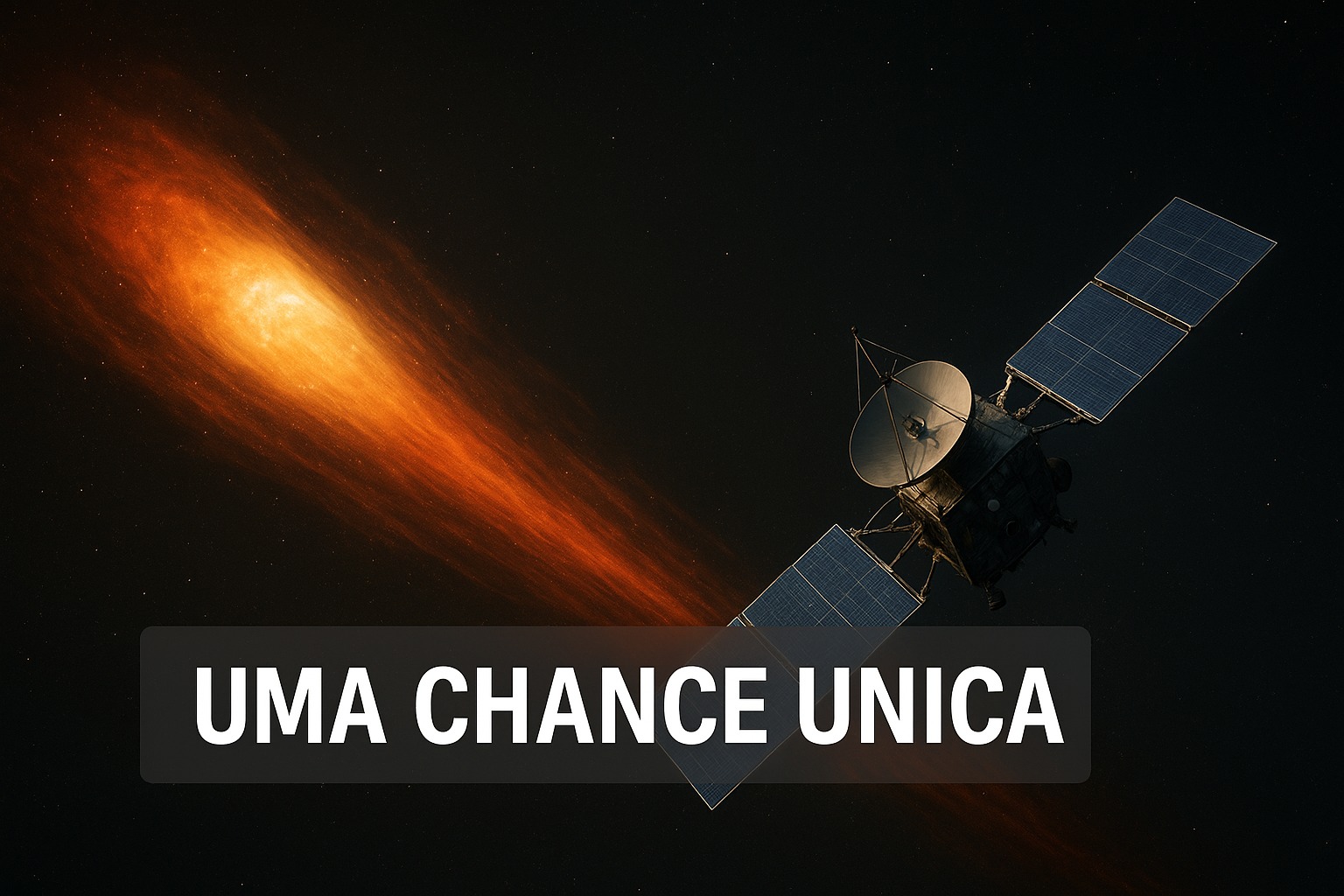


NASA And ESA Scientists Monitor The Comet 3I/Atlas And Believe That The Europa Clipper Spacecraft May Cross Its Ion Tail Between October 30 And November 6
Between October 30 and November 6, scientists believe that NASA’s Europa Clipper spacecraft may cross the tail of comet 3I/Atlas, a rare interstellar object — that is, coming from outside the Solar System.
The event could represent a unique opportunity for scientific observation, as it is uncommon for a spacecraft from Earth to interact so closely with particles from such a cosmic body.
A Visitor From Another Stellar System
The comet 3I/Atlas was identified on July 1 by the ATLAS monitoring system, installed in Chile.
-
OnePlus N6 Smartphone to Launch in India with 8,000mAh Battery and 45W SuperVOOC Charging, Lasting Up to Three Days

-
Scientists Plan to Release Air Bubbles Underwater to Protect Antarctica’s “Doomsday Glacier” from Melting

-
Chinese R6000 Drone Combines Airplane and Helicopter Features, Carries Up to 12 People for Multiple Missions
-
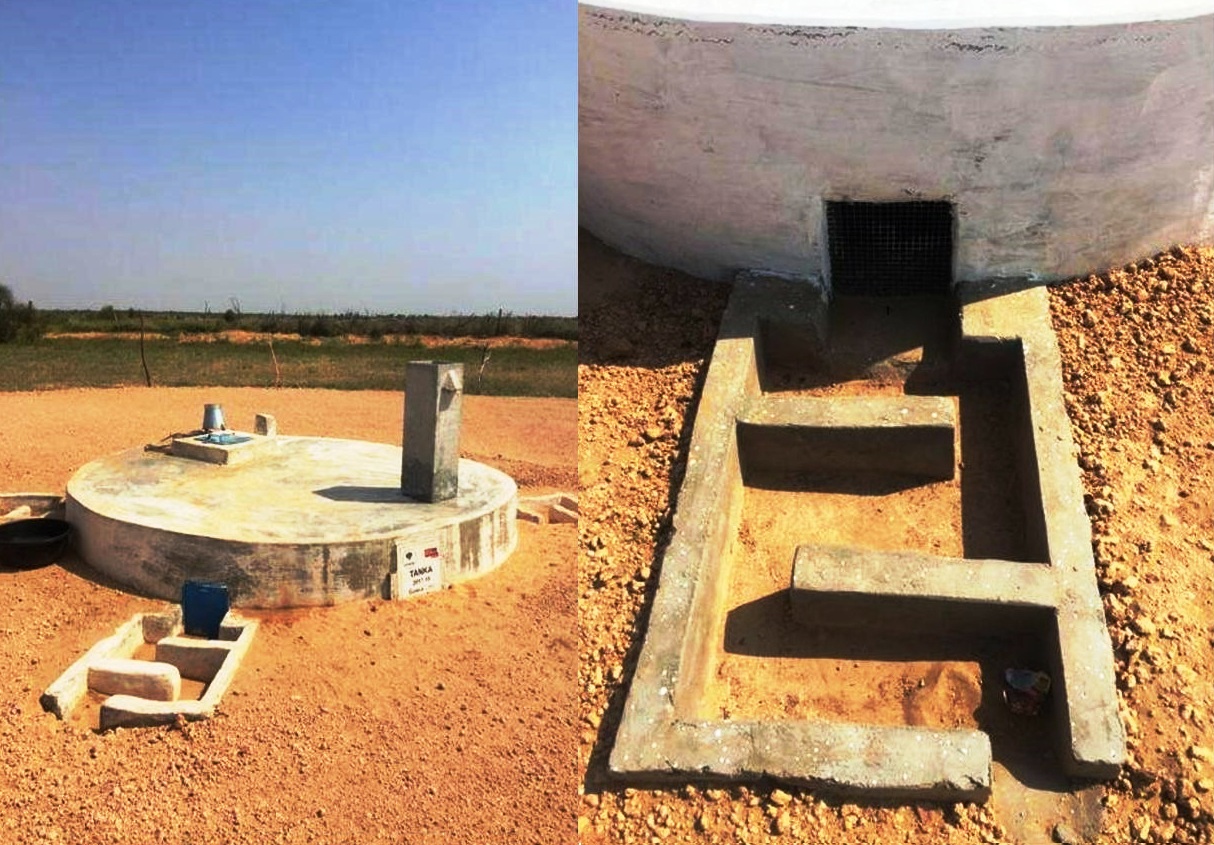
In the World’s Most Densely Populated Desert, Families Dig Funnel-Shaped Underground Cisterns to Capture Rare Rainfall and Store Drinking Water for Up to Eight Months




After its discovery, calculations of its trajectory showed that it follows a hyperbolic path, typical of objects originating beyond the limits of the Solar System.
NASA reported that the comet is expected to reach its closest point to the Sun on October 30, 2025, which will allow for more detailed observations.
Space telescopes, such as the James Webb, have been monitoring 3I/Atlas. They revealed that its coma — the cloud of gas and dust around the nucleus — contains unusual proportions of carbon dioxide.
This composition sets it apart from known comets, sparking interest from both NASA and the European Space Agency (ESA), which has also mobilized efforts to track the phenomenon.
The Possible Crossing With The Ion Tail Of 3I/Atlas
European researchers led by Samuel Grant from the Finnish Meteorological Institute and Geraint Jones from ESA suggest that the Europa Clipper may cross the ion tail of the comet.
This tail is made up of charged particles that extend for millions of kilometers.
The group used software called “Talicatcher” to simulate the behavior of these particles under solar wind.
The results indicate that the alignment between the Sun, the comet, and the spacecraft should occur precisely between October 30 and November 6.
Unprecedented Scientific Opportunity
Although the risk of damage to Europa Clipper is minimal, the scientific potential is enormous. This would be the first time that an Earth spacecraft collects particles coming from a body of another stellar system.
According to the researchers, understanding the composition of these particles could reveal clues about how planets and stars form in other regions of the galaxy.
Comets like 3I/Atlas act as cosmic time capsules, preserving primordial materials.
Therefore, if the encounter does occur, it could mark one of the most valuable moments in recent space exploration — and bring humanity, even if briefly, closer to another stellar system.
With information from Correio Braziliense.


