






 Portuguese
  Spanish
  4 min of reading
  0 comments


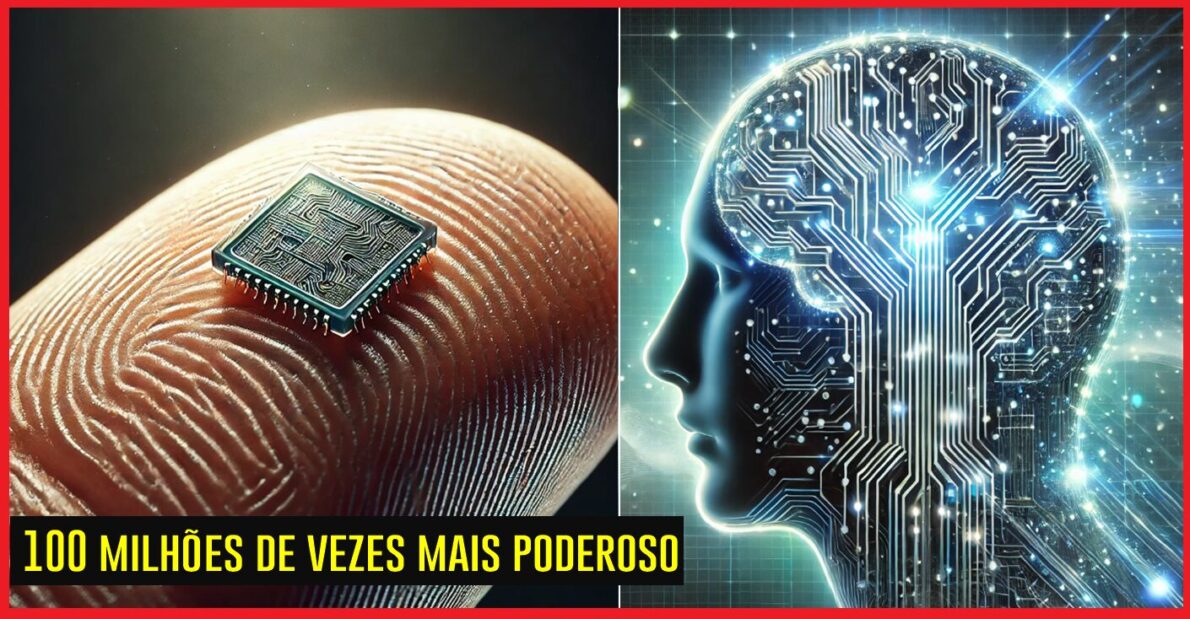
Scientists Claim That an Impressive Technology Could Make the Human Brain 100 Million Times More Powerful, Revolutionizing Mental Abilities and Access to Information at the Speed of Thought.
In a scenario reminiscent of the classic sci-fi film Matrix (1999), where characters connect their minds to a superintelligence, scientists believe that by 2045, a similar nanotechnology could become a reality. Although it is still impossible to simply “download” skills directly into the brain, as the protagonist Neo does in the film, researchers are working on technologies that promise to revolutionize human cognition through a brain-cloud interface known as Brain-Cloud Interface (B-CI).
The concept, advocated by renowned computer scientist Ray Kurzweil, suggests that nanotechnology will be the vehicle for this transformation. According to him, once developed, this interface could connect the human brain to vast cloud computing networks, potentially increasing processing power by up to 100 million times.
Nanotechnology and the Potential of the Brain-Cloud Interface
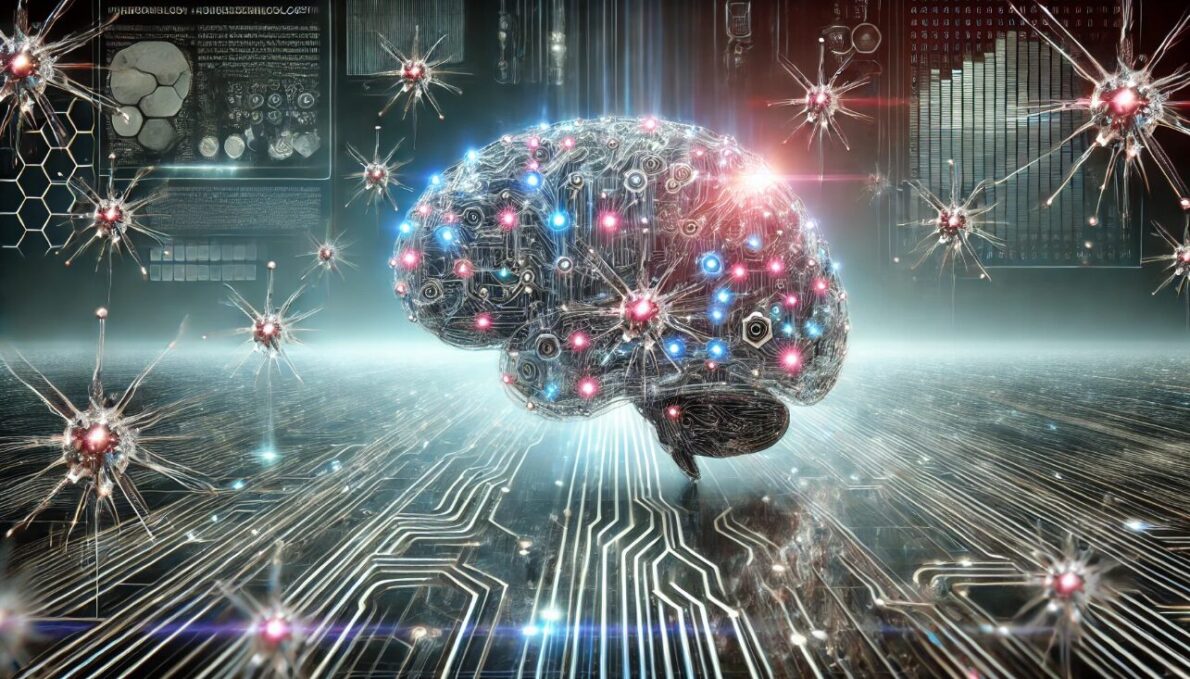
The principle of the B-CI is relatively simple: nanobots — tiny robots, about one hundredth the width of a human hair — would be inserted into the human brain, enabling a continuous connection between neurons and the cloud.
-
Helicopter Drops 180 Tons of Sand and Gravel on Swedish River to Revive Ecosystem Damaged by Decades of Exploitation

-
Brazilian Company Launches Retro Smartphone with 48 MP Camera, T9 Keyboard, and Privacy Features for Social Media-Free Use

-
Self-Taught Chinese Farmer Builds 5-Ton Submarine from Scrap, Launches It in Anhui River
-
Invisible Induction Technology Enables Wireless Power for Blenders, Coffee Makers, and Air Fryers, Reducing Countertop Cables





These nanobots would be capable of monitoring, processing, and even altering data in real-time, creating a bridge between the human mind and the vast amounts of data available online.
In a study published in 2019 in the journal Frontiers in Neuroscience, an international team of researchers, led by neuroscientist Nuno RB Martins, described how this technology could enable instant access to the vastness of the internet, which currently contains about 147 zettabytes of data.
Martins believes that this interface could be developed within a few decades, even if the concept sounds absurd today.
Martins and his team’s vision goes beyond enhanced cognition. They envision a revolution in how we learn and communicate. “This shared cognition could revolutionize democracy, enhance empathy, and unite culturally diverse groups in a truly global society,” Martins said in a press release.
The Operation of Nanobots in the Brain
The complexity of the human brain is astounding. With around 86 billion neurons and trillions of synaptic connections, the challenge of integrating this biological structure into an artificial system is immense.
To tackle this challenge, scientists propose the insertion of three types of specialized nanobots: endoneurobots (which would operate within the neurons), synaptobots (which would work at the synapses), and gliabots (to act on glial cells that support neurons).
These nanobots would be introduced into the brain in a non-invasive manner, such as through the bloodstream or via transdermal injections. Once inside the body, magnetic fields could be used to direct them to specific areas of the brain, where they would position themselves to monitor and interact with synapses and neurons.
The concept of real-time brain monitoring brings a range of possibilities. In addition to accessing cloud data instantly, the nanobots could be used to combat cognitive aging and diseases like Alzheimer’s, repairing synapses and reversing cognitive decline. Ray Kurzweil believes this technology could even repair organs and increase human longevity.
Superintelligence and Ethical Risks
The vision of a “global superbrain,” where humans connect in a network of collective thoughts, has garnered both excitement and concerns.
On one hand, the promise of an interconnected humanity, where social and cultural differences would be overcome by shared cognition, is seen as an evolutionary leap. On the other hand, there are ethical issues and practical challenges that cannot be ignored.
One main concern is privacy. How can we ensure that the information processed by these nanobots is protected from breaches? The prospect of having a direct brain connection to the internet opens the door to potential privacy violations and security risks.
Moreover, inequality in access to technology could further exacerbate social divisions, rather than overcome them.
Another dilemma involves the physical safety of nanobots in the human body. The brain is protected by the blood-brain barrier, which regulates the entry of substances into the organ to prevent damage.
Researchers are still exploring how nanobots could cross this barrier without causing harm. Additionally, the long-term effects of the presence of nanobots in the brain are still unknown, and regulatory challenges are immense.
Despite the uncertainties, Martins and his team claim to be committed to addressing these issues before the technology is ready for widespread use. “We are working to address as many ethical challenges as possible to ensure that this technology is beneficial for humanity,” Martins said.
The Future of Human Cognition
Although a brain-cloud interface seems like something straight out of a sci-fi movie, advancements in neuroscience and nanotechnology point to a future where this idea could become a reality.
If scientists are successful, the B-CI will not only revolutionize education and communication but could also fundamentally alter how humanity lives and interacts.
What once seemed like fantasy could become a crucial step in human evolution, allowing all of us to connect in ways previously unimaginable. However, this future depends on a delicate balance between technological innovation and ethical considerations that must guide the development of this shared superintelligence.





Be the first to react!