Portuguese
  Spanish


Researchers Reveal That Cacao Fermentation Microorganisms Can Recreate in the Laboratory the Refined Flavor of Chocolates from Specific Regions.
The flavor of chocolate varies greatly between different cacao-producing regions. Typically, this difference is attributed to geography, climate, and soil.
However, a group of international scientists pointed to another explanation. According to them, the microorganisms present during the fermentation of the beans are the true agents responsible for the flavor changes.
Some farms end up developing more balanced microbial communities.
-
The Trap of Modern Technology: How Screen Overload and Digital Connections Can Impact Your Mental Health and Well-being

-
Wyoming Couple Grows Tropical Fruits Year-Round in -40°C Using Geothermal Greenhouse, Demonstrating Earth’s Heat Can Produce Oranges and Lemons in Snow Without Traditional Heating

-
Ship Returns from Brazilian Coast with Thirty Newly Discovered Life Forms
-
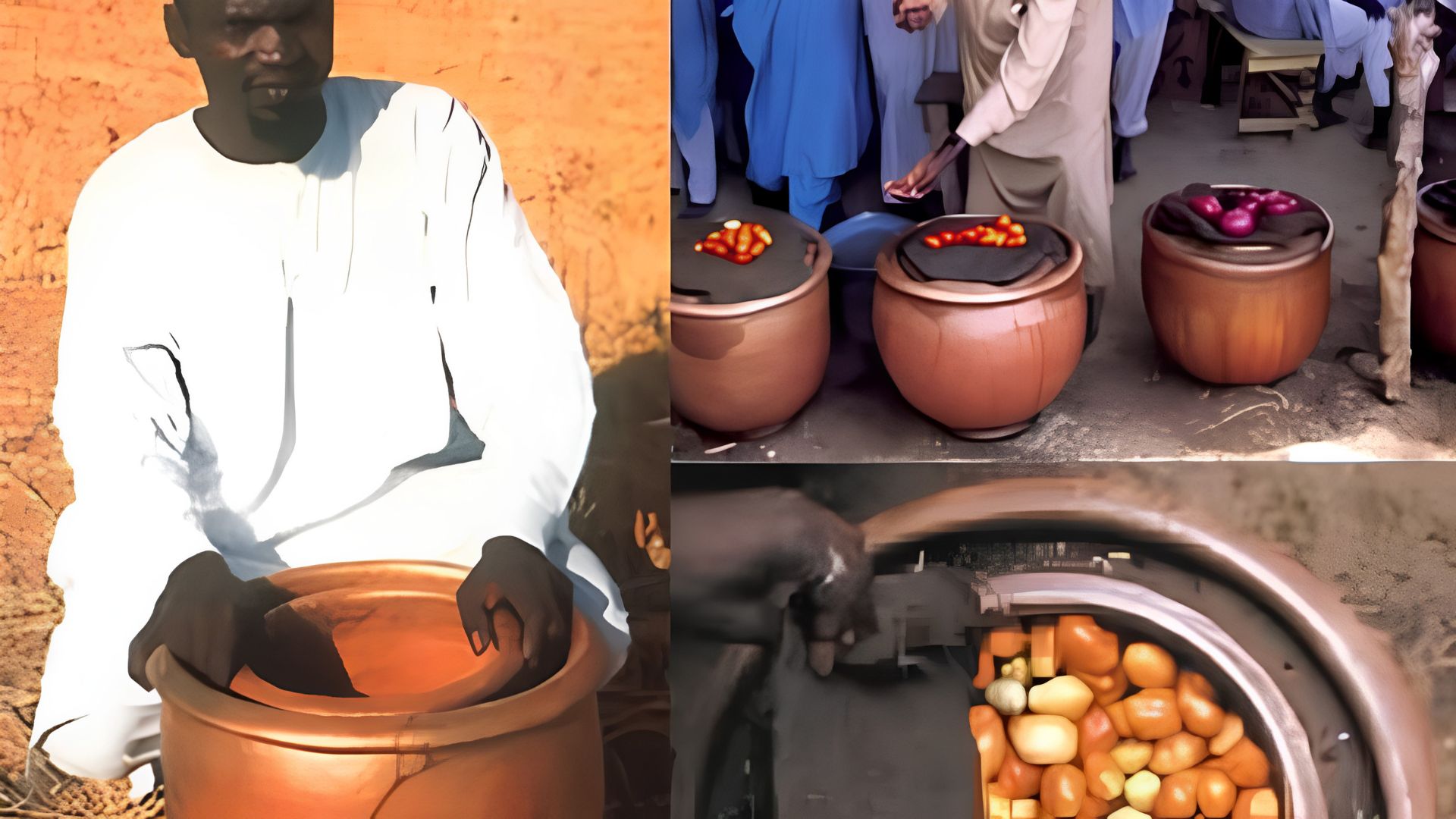
Nigerian Professor Invents Electricity-Free Refrigerator Using Clay Pots and Wet Sand, Extending Shelf Life of Vegetables to 27 Days; 7,000 Units Distributed in Energy-Deprived Villages


This directly influences the final quality of the beans used for chocolate production. Therefore, understanding this process has become essential to improve production.
Discoveries in Colombia
The researchers sequenced the DNA of fermenting beans from three Colombian farms. The result was surprising. The most flavorful chocolate was obtained from beans that hosted a unique microbial community.
Based on this discovery, the scientists assembled a customized mix of microorganisms in the laboratory.
When this version was tested by professional tasters, the refined flavor of the chocolate was successfully reproduced. This demonstrated that it is possible to control and recreate flavors by manipulating microbial communities.
“The most important thing is that we were able to change the flavors to resemble those from different regions simply by changing the microbes,” explained David Gopaulchan, a researcher at the University of Nottingham and the lead author of the study. He emphasized that this is a way to “hack” a very old process.
How Fermentation Works
Chocolate depends on the natural fermentation of cacao beans. During this process, bacteria and fungi act spontaneously, which leads to different results in each location. Therefore, the flavor of chocolate is strongly linked to the region of the producing farm.
Gabriel Castrillo, also from the University of Nottingham, led the analysis based on DNA sequencing.
He and his team identified the communities of bacteria and fungi capable of recreating refined flavors under controlled laboratory conditions. Once again, professional tasters confirmed that the result closely resembled the traditional flavor obtained in the field.
The analyzed farms were located in Santander, Antioquia, and Huila. Among them, the Antioquia farm stood out, producing the chocolate considered the most flavorful. This result served as the basis for the laboratory experiment.
An Ancient Process with New Ideas
The proposal to produce chocolate in the laboratory is not exactly new. In 2021, researchers from the Zurich University of Applied Sciences had already managed to cultivate cacao cells in bioreactors. The product, although expensive, passed taste tests.
Additionally, some newer startups are investing in cellular agriculture to create alternatives to conventional cultivation.
The current study, published in the journal Nature Microbiology, expands this history of innovations. By demonstrating that it is possible to manipulate microorganisms to adjust the flavor, the scientists pave the way for a new phase in the production of fine chocolates. The research shows that tradition and science can unite, bringing new possibilities for one of the most consumed foods in the world.