





 Portuguese
  English
  Spanish
  3 min of reading
  0 comments


Direct Analyses of Air Bubbles Preserved in 1.4 Billion-Year-Old Halite Crystals in Canada Reveal That the Mesoproterozoic Had 3.7% of Current Oxygen and Carbon Dioxide 10 Times Higher than Pre-Industrial Levels, Indicating Mild Climate and Oxygenation Above Early Metabolic Needs
Researchers identified air bubbles and fluids trapped in 1.4 billion-year-old halite crystals in northern Ontario, Canada, revealing atmospheric concentrations of 3.7% of current oxygen and carbon dioxide 10 times higher than pre-industrial levels.
Air Bubbles Preserved in 1.4 Billion-Year-Old Halite
The analyzed samples contain fluid inclusions that preserve air bubbles and brines from the Mesoproterozoic, a period between 1.8 and 0.8 billion years ago. These inclusions are known to store records of Earth’s primitive atmosphere.
Extracting accurate measurements from these inclusions has always been a challenge. The trapped air bubbles exhibit distinct behavior for gases such as oxygen and carbon dioxide when dissolved in water, complicating direct and reliable analyses.
-
For the first time in history, a submarine cable will descend to four thousand meters deep under the ice of the North Pole to ensure that the internet between Europe and Asia no longer depends on conflict zones in the Middle East.

-
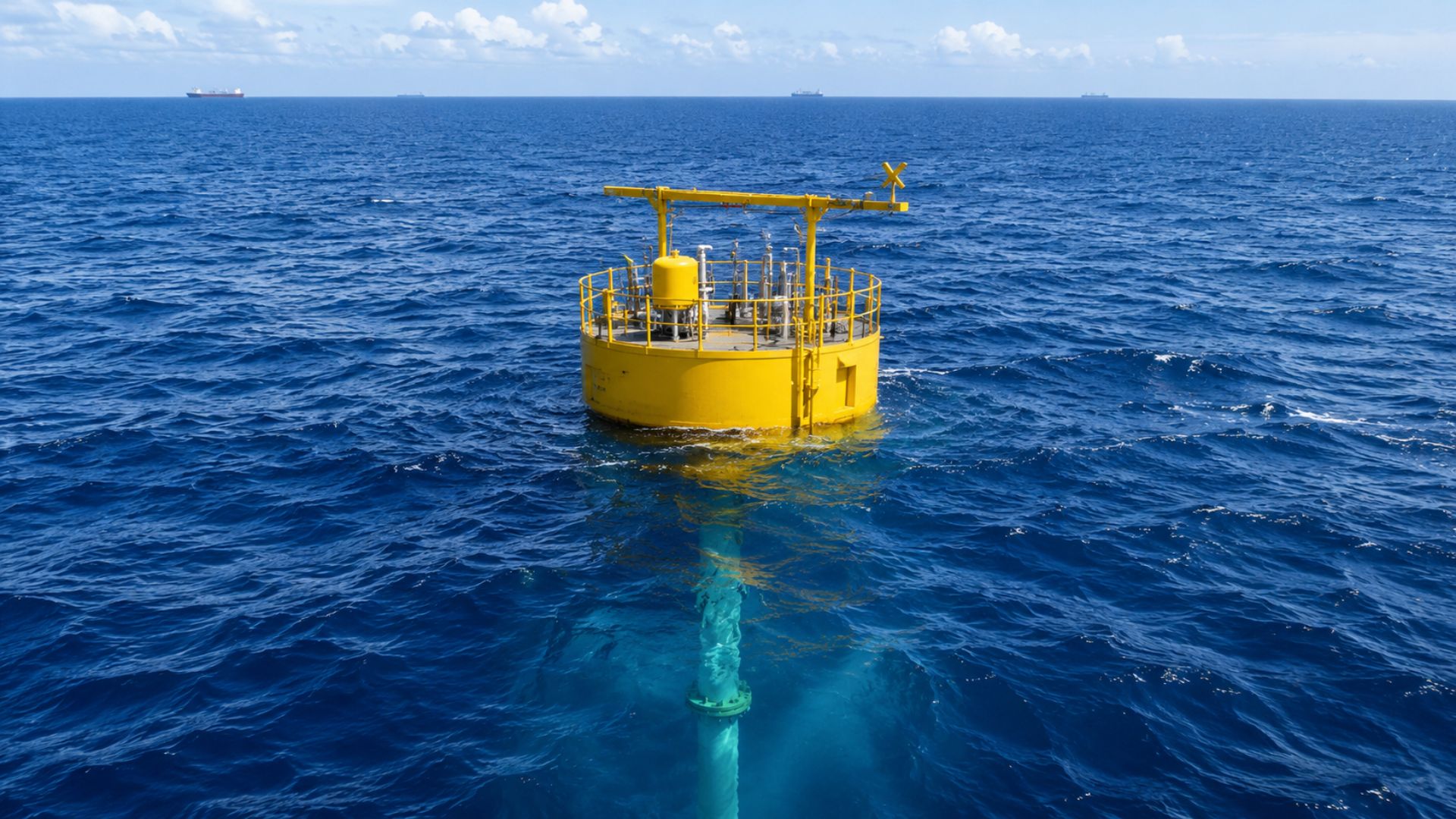
A British company has installed in the middle of the ocean the world’s first floating platform that generates electricity 24 hours a day from the temperature difference between the surface and the depths of the Atlantic, without relying on wind or sun.
-
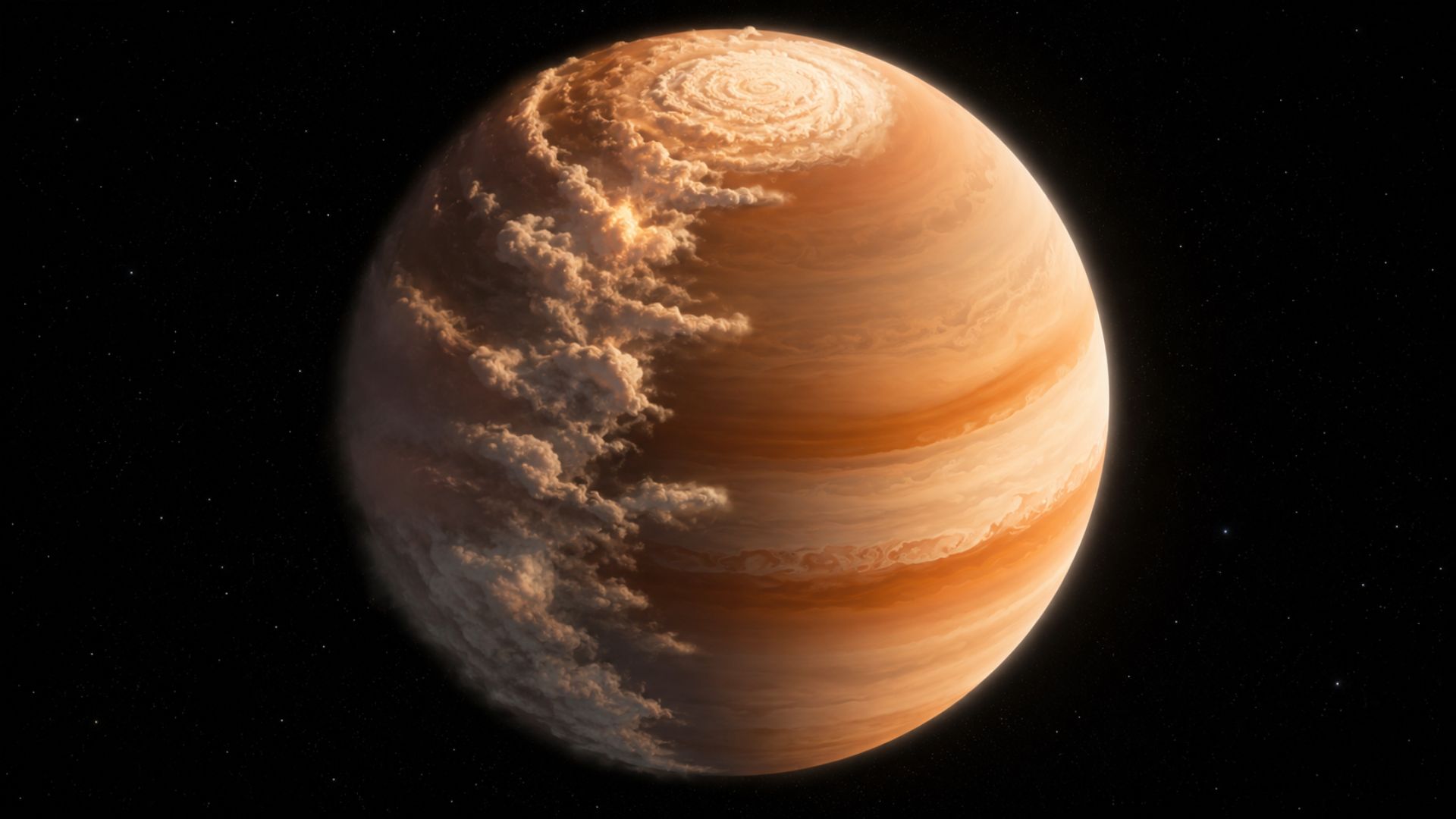
The James Webb telescope spotted a planet 700 light-years from Earth with mornings full of sand clouds and nights with clear skies, the temperature difference between the two hemispheres reaches an impressive 170 degrees.
-
A former Hong Kong police officer has just become the first astronaut from her city to go to space. She embarked on the Shenzhou-23 mission alongside two other colleagues who will face muscle atrophy, radiation, and prolonged fatigue in orbit.


“It’s an incredible feeling to open a sample of air that’s billions of years older than dinosaurs,” said Justin Park, a graduate student at Rensselaer Polytechnic Institute.
Atmospheric Concentrations in the Mesoproterozoic
Readings indicate that the atmosphere of the Mesoproterozoic contained 3.7% of the oxygen present today. This level is described as sufficient to support complex multicellular animal life, which would only emerge hundreds of millions of years later.
Carbon dioxide, on the other hand, was 10 times more abundant than pre-industrial levels. According to researchers, this concentration would have been sufficient to offset the so-called faint young Sun and maintain a climate state similar to the present.
“The carbon dioxide measurements we obtained have never been made before,” stated Professor Morgan Schaller, also from Rensselaer Polytechnic Institute.
Mild Climate and the So-Called “Boring Billion”
The results show that the Mesoproterozoic was a period of mild climate. Direct measurements of carbon dioxide, combined with temperature estimates from the salt itself, indicate conditions comparable to today’s.
Previous indirect estimates pointed to lower levels of carbon dioxide, inconsistent with observations showing the absence of significant glaciers during the Mesoproterozoic Era.
Park emphasized that the sample represents only a geological instant. He noted that it may reflect a transient oxygenation event within the long era nicknamed by geologists the “Boring Billion.”
“It was a time marked by low oxygen levels, widespread atmospheric and geological stability, and few evolutionary changes,” he explained.
Implications for the Evolution of Complex Life
Despite the informal nickname, the authors assert that direct observational data from this period are crucial for understanding the evolution of the atmosphere and the emergence of complex life.
“We have never been able to observe this era of Earth’s history with this degree of precision. These are real samples of ancient air!” Schaller stated.
Analyses suggest that, at least transiently, oxygen concentrations exceeded the metabolic needs of early animals long before their emergence.
This raises the question of why animal life took so long to evolve. Park pointed out that the sample captures only a temporal snapshot and may not represent permanent conditions.
“Ted algae emerged exactly during this time in Earth’s history and continue to be a significant source of global oxygen production to this day,” Schaller said.
He added that the relatively high levels of oxygen may be related to the increased abundance and complexity of algal life.
The study was published in the Proceedings of the National Academy of Sciences, titled “Reviving the Boring Billion: Direct Restrictions from Fluid Inclusions of 1.4 Ga Reveal a Favorable Climate and an Oxygenated Atmosphere.”
The conclusions reinforce the importance of air bubbles preserved in halite as direct records of the primitive atmosphere, broadening the understanding of this period in Earth’s history.






-

-

-

-

-

-

63 people reacted to this.