Portuguese
  Spanish


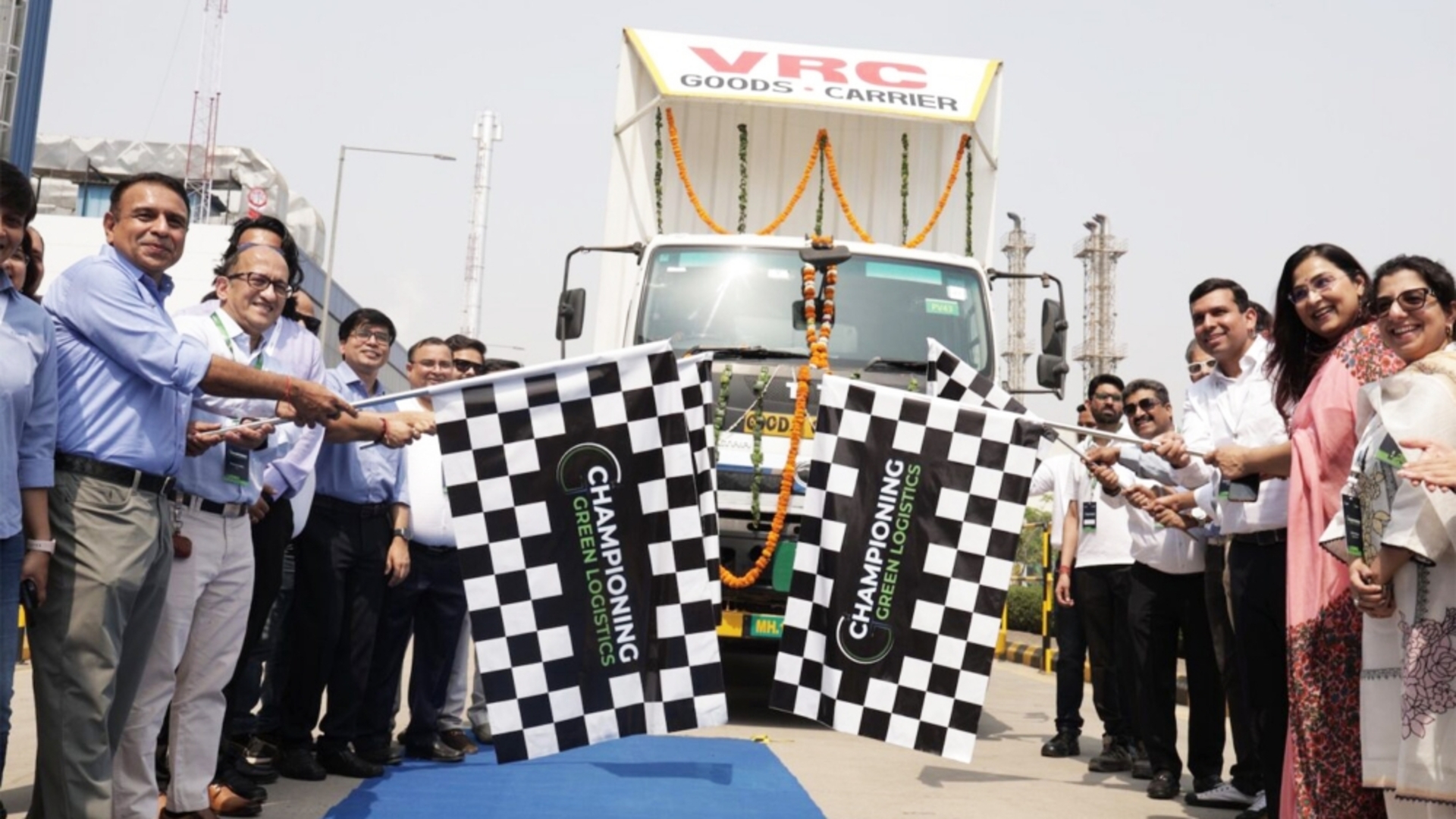

Through the conversion of heavy vehicles, the company seeks to optimize its road logistics with 100% electric technology and reduce carbon emissions.
PepsiCo has initiated the operation of eight converted trucks for 100% electric propulsion as part of its decarbonization strategy in Brazilian territory.
The renewal project consists of transforming heavy diesel-powered vehicles into fully sustainable models, aiming for an immediate reduction in carbon emissions. These units will be responsible for covering logistical routes that total approximately 480,000 kilometers traveled per year.
Conversion technology and battery autonomy
The electrification process was carried out to replace the conventional powertrain with a high-energy-density battery system. With this modification, the vehicles maintain the robustness necessary for cargo transport but operate with 100% electric technology of the latest generation.
-
The large jar blender has a rival: Oster Ultra Power bets on 1,000 W, six stainless steel blades, and two portable cups with leak-proof lids.

-
Tesla injected an additional $250 million into the German factory, doubled the battery cell target, and opened its own production line for startups.

-
No more TV stuck on the wall: Samsung The Freestyle+, the new projector with over 400 lumens projects on walls, floors, and ceilings, bringing cinema to any corner of the house.
-
A Japanese governor single-handedly stalled the construction of the world’s fastest train for nine years, and only now has he agreed to allow a tunnel excavated at a depth of 1,400 meters.



The battery pack allows for adequate autonomy for daily routes, ensuring that logistical productivity is not affected by the energy transition.
The charging infrastructure has also been planned to support the energy demand of these new road assets. Each vehicle is equipped with energy regeneration systems during braking, optimizing load usage and increasing efficiency on Brazilian roads. This technical solution prevents the premature disposal of chassis and cabins, promoting a circular economy within the company’s fleet.
Environmental impact and sustainability goals
The implementation of these eight trucks represents a drastic reduction in greenhouse gas emissions compared to fossil fuel-powered models.
The 100% electric operation allows the company to advance its global sustainability goals, eliminating pollutant emissions directly on urban and highway routes. It is estimated that the diesel savings will prevent the burning of thousands of liters of fuel throughout the annual operational cycle.
In addition to the climate benefit, the conversion significantly reduces noise pollution in delivery areas and distribution centers. The silence of electric motors provides a more comfortable working environment for drivers and reduces auditory impact in cities. This movement reinforces the organization’s commitment to environmental preservation in one of its largest consumer markets in the world.
Logistical expansion and road efficiency
The adapted units will be integrated into a complex distribution network, demonstrating that 100% electric traction is viable for the heavy transport sector.
The projected mileage of 480,000 km annually will be monitored to validate the durability of electrical components under different asphalt and weather conditions. The initiative serves as a large-scale test for future expansions of the electrified fleet in Latin America.
The choice of Brazil for this pilot conversion project highlights the country’s relevance in the company’s global logistics. With the technical validation of the performance of these trucks, the trend is for the model of repurposing old vehicles to gain scale. The operation concludes its implementation phase with positive results in energy efficiency and mechanical reliability.
Click here to access the study.