Portuguese
  Spanish


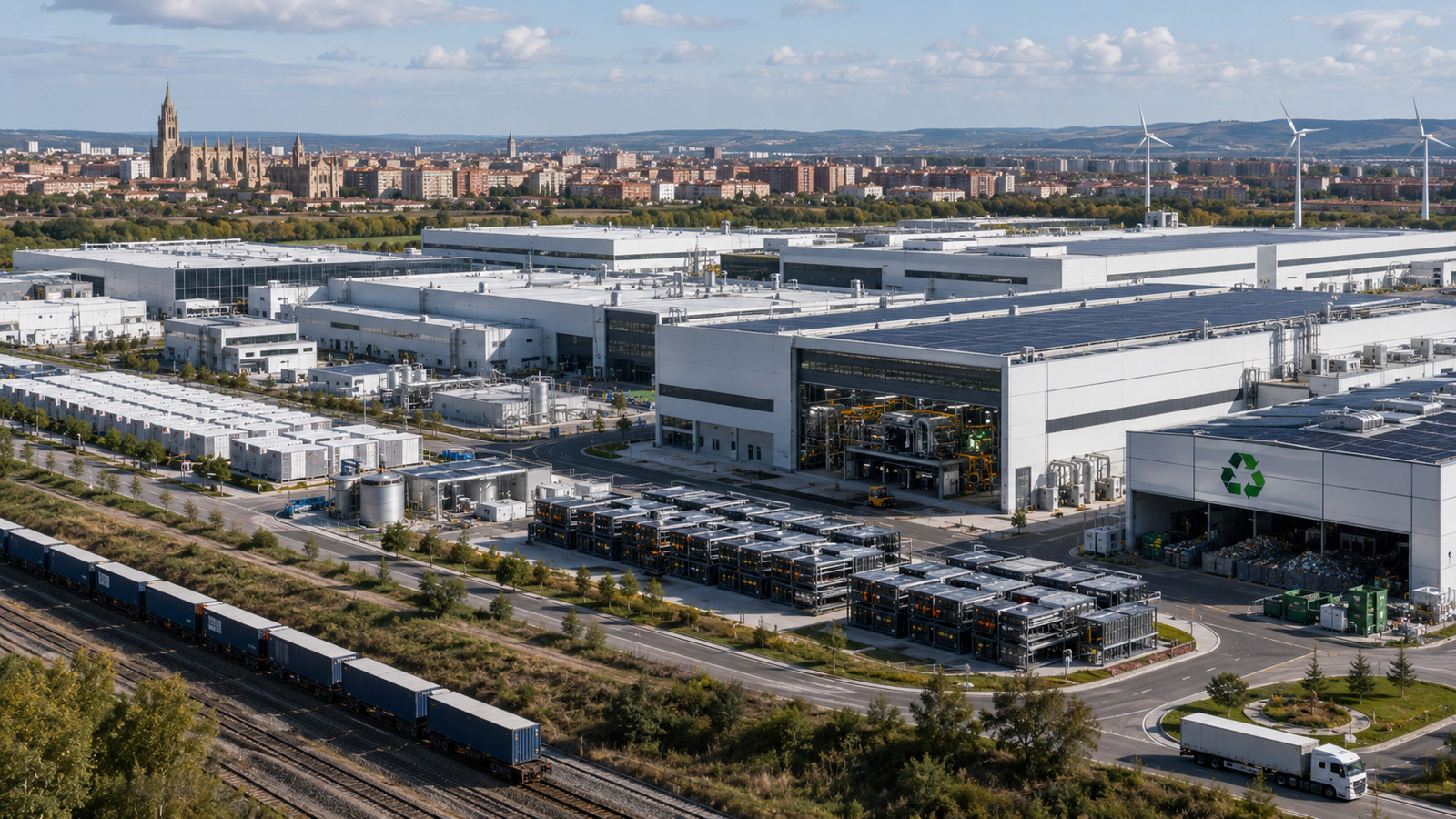

Chinese Gotion High-Tech project foresees an initial investment of around 950 million euros, two factories in Valladolid, cathode production, battery recycling, and up to 1,000 direct jobs after operation
Gotion High-Tech’s battery gigafactory in Valladolid, Spain, has received approval for 138 million euros in public subsidies. The project, estimated at around 950 million euros in this first phase, foresees two industrial units and aims at the production and recycling of strategic components for electric vehicles.


Subsidy unlocks billion-dollar project in Valladolid
The Ministry of Industry and Tourism of Spain approved the resources that will allow the Chinese Gotion High-Tech to advance with its first battery gigafactory outside Asia.
The decision was confirmed by the State Society for Industrial Promotion and Business Development, Sepides.
-
Advancement in the industry: Brazilian company creates ultralight material comparable to steel and paves the way for hydrogen cylinders up to 70% lighter, with a direct impact on logistics, the energy industry, and national competitiveness – learn about Forza Composites

-
In Brazil’s backyard: Tesla, by Elon Musk, announces official operations in Uruguay, where electric vehicles already make up 20% of new cars but still leaves out the largest market in the region.

-
This Mars rover may finally reveal if life ever existed on Mars.
-
A nearly 70-year-old Chinese inventor has registered 90 patents and created a device that stores water in the roots, helping seedlings survive drought while trying to transform the arid slopes of the Loess Plateau into green areas without relying on heavy irrigation.


The subsidies are part of the fifth edition of the PERTE for the Electric and Connected Vehicle, the PERTE VEC V. The grant consolidates a preliminary approval announced in May this year.
The package will be divided between two fronts. The battery recycling and critical materials recovery unit, known as “black mass,” will receive 82.3 million euros.
The cathode factory will receive 55.9 million euros. The distribution of resources was confirmed by the Minister of Industry, Jordi Hereu.
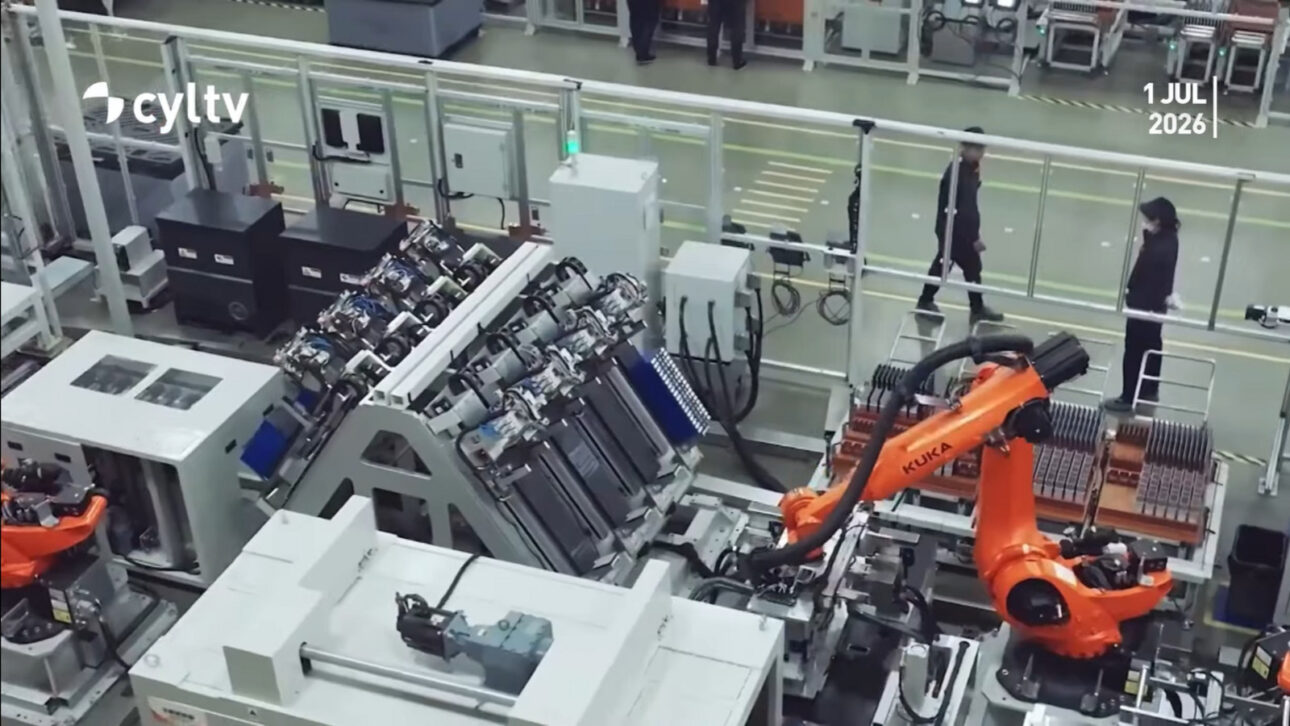
Cathodes make factory strategic for electric vehicles
The cathode is one of the most valuable components in batteries. According to the Ministry of Transport, it represents about 60% of the total value of a battery.
So far, no European Union factory produces this component. Therefore, the Valladolid unit is considered a relevant step to reduce part of Europe’s dependence on Asia in this segment.
During the project presentation, the Minister of Transport, Óscar Puente, stated that the idea was not simply “to manufacture batteries, something that is already done in many places,” but “to open a new path.”
The budget estimated by Sepides is 411.5 million euros for one of the factories and 539.1 million euros for the other.
The 138 million euros in public resources amount to about 15% of the investment planned for the first phase.
Project foresees 2,500 jobs in construction and 1,000 direct positions
Gotion High-Tech operates throughout the battery production chain, from the extraction and transformation of raw materials to final recycling.
The company maintains commercial relations with Volkswagen and has its own factories in Germany and Slovakia.
The Valladolid unit is expected to receive raw materials from Morocco. The company also states that the project will serve as an export platform for Latin America.
According to data released by Gotion itself, the construction of the two factories is expected to generate about 2,500 jobs.
After the start of operations, the units are expected to employ approximately 1,000 workers directly.
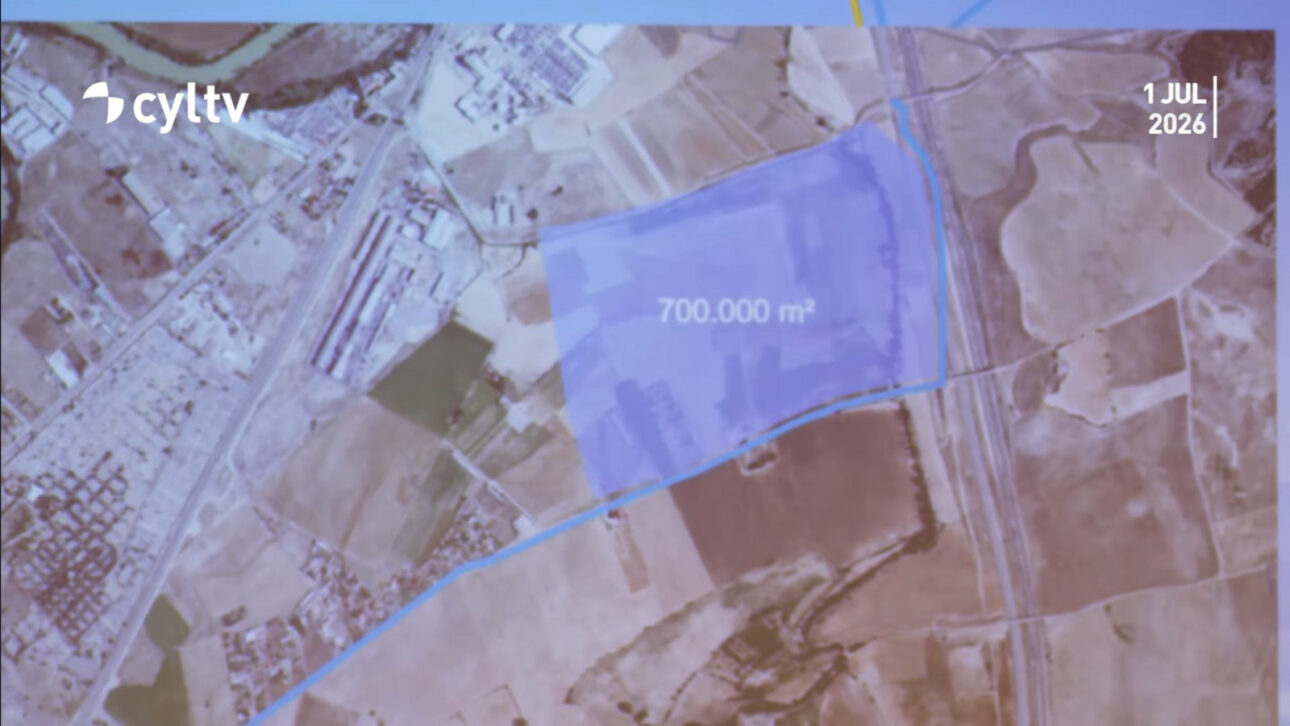
The first phase, linked to the recycling factory, is scheduled to begin construction in 2027. The facilities will occupy about 700,000 square meters of industrial area.
Land, solar energy, and urban planning rules still need to advance
Even with the approval of the subsidy, the battery gigafactory still depends on administrative and structural steps.
The project is conditioned on the construction of a large solar power plant to supply the factories.
This plant may require up to an additional thousand hectares of land. It will also be necessary to amend the General Urban Planning Plan of Valladolid.
The expectation, according to El Economista, is that the provisional approval of this amendment will occur on July 27. The final decision, however, will be up to the regional government of Castile and León.
The Valladolid City Hall, administered by a coalition between PP and Vox, has already signed a letter of intent to allocate the land. The initial area will be 70 hectares, with the possibility of expansion up to 120 hectares.
According to El Confidencial, Mayor Jesús Julio Carnero stated he maintains “permanent contact” with the Chinese executives and promised to expedite the necessary procedures.
The project was resumed after the Slovak company InoBat, which had also received public funds to establish itself in Valladolid, abandoned the plan without presenting the required financial guarantees.
Óscar Puente, the city’s mayor between 2015 and 2023 and now Minister of Transport, was one of the main proponents of the initiative.
He described the project as the largest industrial investment in Valladolid since Renault’s arrival in 1953.
Gotion considers this first phase just the beginning of a larger plan. According to the company’s own information, the total investment could reach 5 billion euros and include up to eight factories in Valladolid.
This article was prepared based on information from the Ministry of Industry and Tourism of Spain, Sepides, the Ministry of Transport of Spain, Gotion High-Tech, El Economista, and El Confidencial, with data, numbers, and statements preserved as per the consulted material.