






 Portuguese
  Spanish


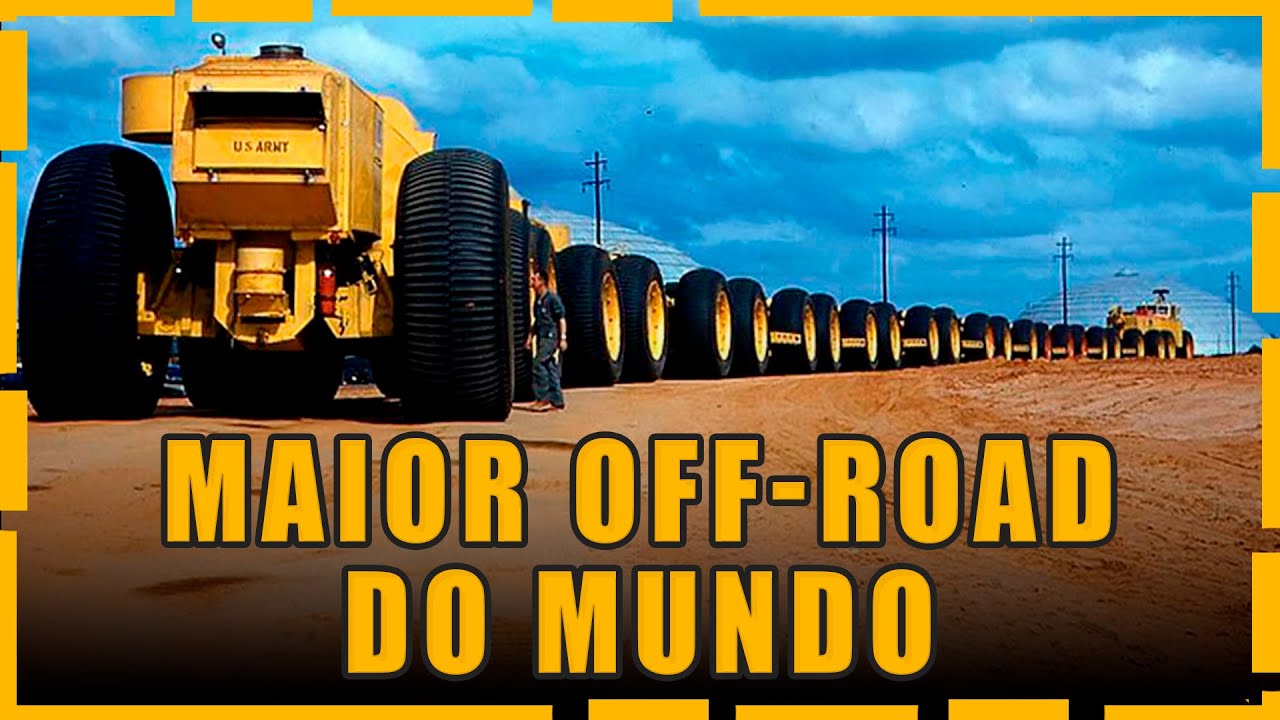


With 12 Wheels and Over 150 Tons, the Overland Train Mark II Was a “Vehicle on Wheels” Created by the US to Cross the Arctic, with Studies That Even Considered Nuclear Propulsion.
At the Height of the Cold War, the Arctic Ceased to Be Merely an Inhospitable Region and Became Central to the Military Strategy of the United States. Radar Bases, Runways, and Forward Surveillance Points Needed to Be Supplied in Areas Where There Were No Roads, Railways, or Ports. It Was in This Context That One of the Most Ambitious Ground Engineering Projects Was Born: the Overland Train Mark II, a Gigantic Articulated Vehicle Created to Cross Ice, Deep Snow, and Tundra Without Depending on Any Infrastructure.
The Project Was So Extreme That, in Its Conceptual Stages, It Considered the Use of a Mobile Nuclear Reactor as an Energy Source, Something Never Implemented in Operational Ground Vehicles.
The Logistical Challenge That Led to the Overland Train Mark II
During the 1950s and 1960s, Supplying Military Installations in the Arctic Was a Logistical Nightmare. Conventional Trucks Became Bogged Down, Tracked Tractors Had Limited Range, and Building Permanent Roads on Frozen Ground Was Expensive and Unstable.
-
Pennsylvania Mine Creates Ice in Summer Heat and Melts in Winter, Turning a Mountain Crevice into a Reverse Natural Refrigerator

-
China Accelerates Global Expansion of Robotics: From Smart Vacuums to Industrial and Humanoid Machines, Millions Exported to Over 150 Markets
-
Polar Air Mass to Hit Brazil: Temperatures to Plummet in Nine States, Near Freezing in the South with Frost Risk Until Monday
-
Chinese “dark factories” produce electric cars 24/7 with minimal human intervention, as Zeekr assembles 800 units daily, raising concerns in Brazil.



The Solution Imagined by the US Army Was Radical: to Create a Large Ground Vehicle Capable of Carrying Enormous Loads Over Long Distances, Continuously Operating on Fragile Surfaces Without Sinking.
The Concept of the “Vehicle on Wheels”
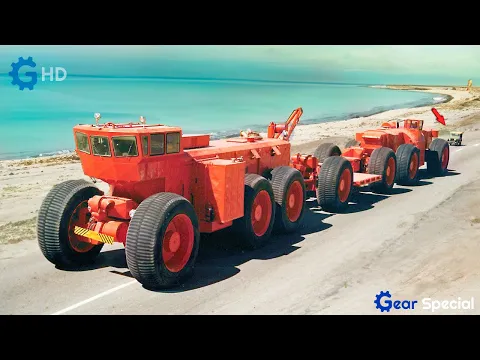

The Overland Train Mark II Was Not a Traditional Truck. It Was Designed as an Articulated Convoy, Composed of Multiple Interconnected Modules, Each Supported on Gigantic Wheels.
Among Its Main Features Were:
- 12 Large-Diameter Wheels, Distributed Along the Modules
- Total Weight Over 150 Tons
- Length Comparable to That of a Small Train
- Low Pressure on the Ground, Essential for Snow and Tundra
The Logic Was Simple: Distribute the Weight as Much as Possible to Prevent Sinking and Allow Constant Progress on Terrains Where Common Vehicles Simply Could Not Survive.
Distributed Electric Traction: Engineering Far Ahead of Its Time
One of the Most Impressive Aspects of the Overland Train Mark II Was Its Propulsion System. Each Wheel Had Its Own Electric Motor, Powered by a Central Generator. This Arrangement Offered Crucial Advantages:
- Continuous Traction Even with Loss of Grip on Some Wheels
- Mechanical Redundancy, Vital in Remote Areas
- More Precise Torque Control
- Ability to Move Slowly but Steadily
Decades Before Modern Modular Platforms, the Overland Train Already Applied Concepts Now Considered State of the Art.
The Most Extreme Idea: a Mobile Nuclear Reactor
To Solve the Biggest Logistical Bottleneck — Fuel — Military Engineers Even Studied Installing a Compact Nuclear Reactor in the Overland Train. The Proposal Would Allow:
- Operation for Months or Years Without Refueling
- Elimination of Long Supply Chains
- Practically Unlimited Autonomy in the Arctic
Although Technically Studied, the Idea Was Abandoned Due to Environmental, Operational, and Political Risks. The Overland Train Never Operated with Nuclear Propulsion, but the Fact That It Was Considered Shows the Project’s Degree of Boldness.
Real Tests in Extreme Conditions
Prototypes of the Overland Train Mark II Were Built and Tested in Frozen Regions of Canada and Alaska. The Tests Proved That the Concept Worked: the Vehicle Could Move Over Deep Snow and Irregular Ice, Maintaining Stability and Traction.
At the Same Time, Problems Became Evident:
- Extremely High Cost
- Extremely Low Speed
- Complex Maintenance in Hostile Environments
- Difficulty Adapting to Highly Rugged Terrain
Why the Project Was Abandoned
Even Functioning, the Overland Train Mark II Was Eventually Surpassed by Other Solutions. The Advancement of Heavy Cargo Aviation, the Emergence of More Capable Helicopters, and the Improvement of Tracked Vehicles Made the Project Economically Invable.
Moreover, the Cost of Maintaining a Colossal Ground Vehicle Moving Slowly Over Ice Became Strategically Unfeasible.
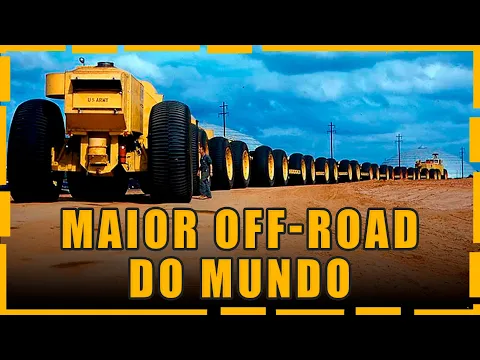
Today, the Overland Train Mark II Survives Only in Military Archives, Museums, and Technical Reports. Little Known Outside Specialized Circles, It Represents an Era When Extreme Problems Were Faced with Equally Extreme Solutions.
More Than a Failure, the Project Is a Clear Example of Functional Engineering That Lost Relevance Due to Technological Evolution.
With 12 Giant Wheels, Over 150 Tons, and Even Plans for Nuclear Energy Use, the Overland Train Mark II Was One of the Most Ambitious Ground Vehicles Ever Conceived. It Did Not Fail for Not Functioning, but Because the World Changed Too Quickly.
Its Legacy Remains a Reminder of How Far Human Engineering Has Been Capable of Going to Conquer Hostile Environments — Even If, In the End, the Project Was Swallowed by Its Own Scale.




