






 Portuguese
  Spanish
  3 min of reading
  0 comments


15 km Tunnel Impresses By Its Dimension And Importance In The Transposition Of The São Francisco River, Being The Largest Of Its Kind In Latin America.
The Cuncas 1 Tunnel Is The Largest Structure In Latin America Dedicated To Water Transport. With A Length Of 15 Kilometers, It Is Part Of The Transposition Of The São Francisco River And Connects The Municipalities Of Mauriti, In Ceará, To São José De Piranhas, In Paraíba.
Structure And Function
With A Height And Width Of 9 Meters, Cuncas 1 Is Responsible For Carrying The Water From The Integration Project Of The São Francisco River Between The Two States.
It Stands Out Among The Four Tunnels Of The Transposition As The Largest Ever Built In The Region For This Purpose.
-
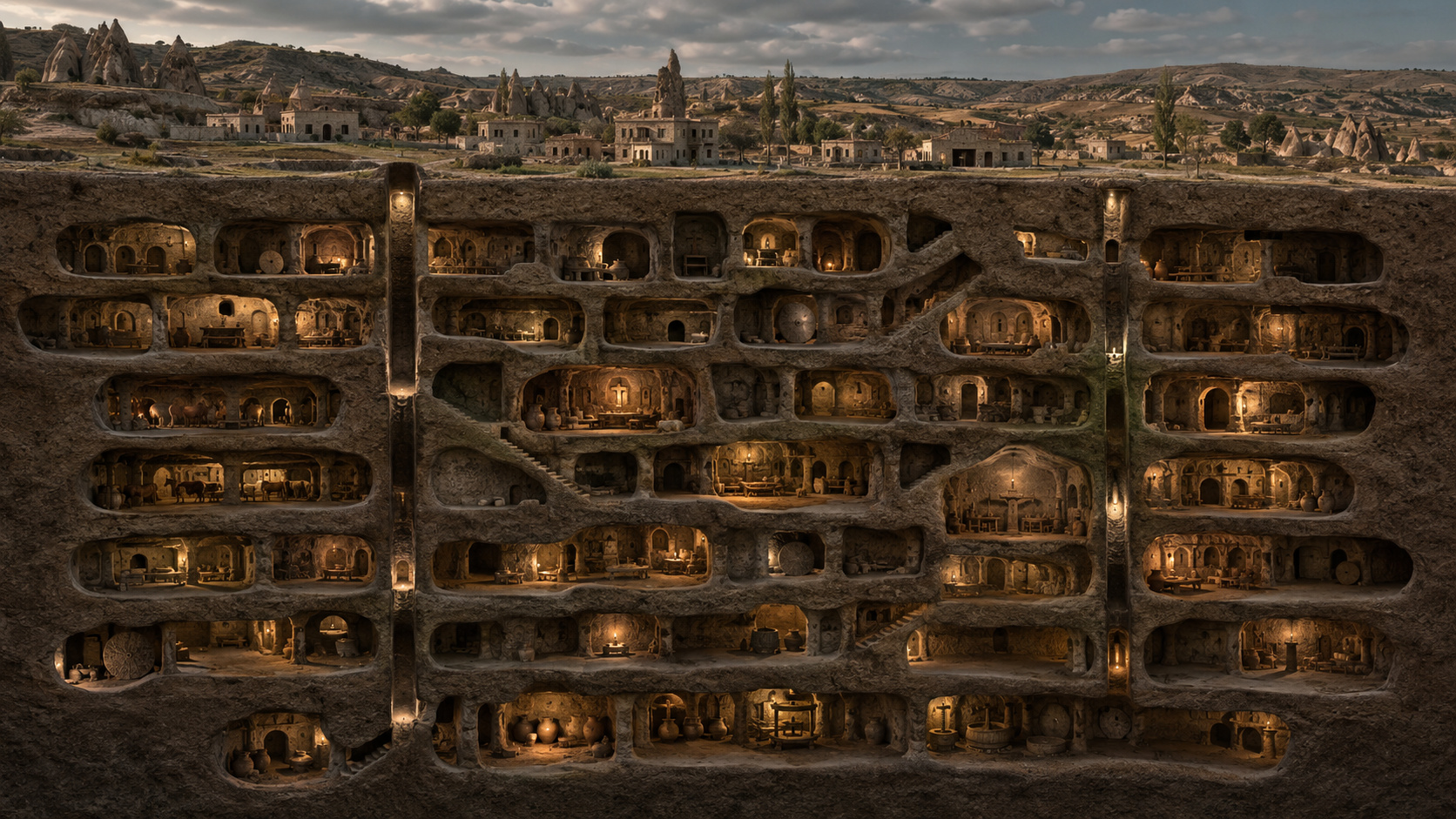
An 18-story human anthill was hidden 85 meters below Turkey: the underground city housed up to 20,000 people, had tunnels, rooms, passages, and ton-heavy stone doors, and was only rediscovered when a man broke a wall inside his own house.

-
Mother of 5 children started selling homemade pamonha door-to-door and today earns about R$ 250,000 per month with a factory that produces 1,500 units per day and sells to several Brazilian states.

-
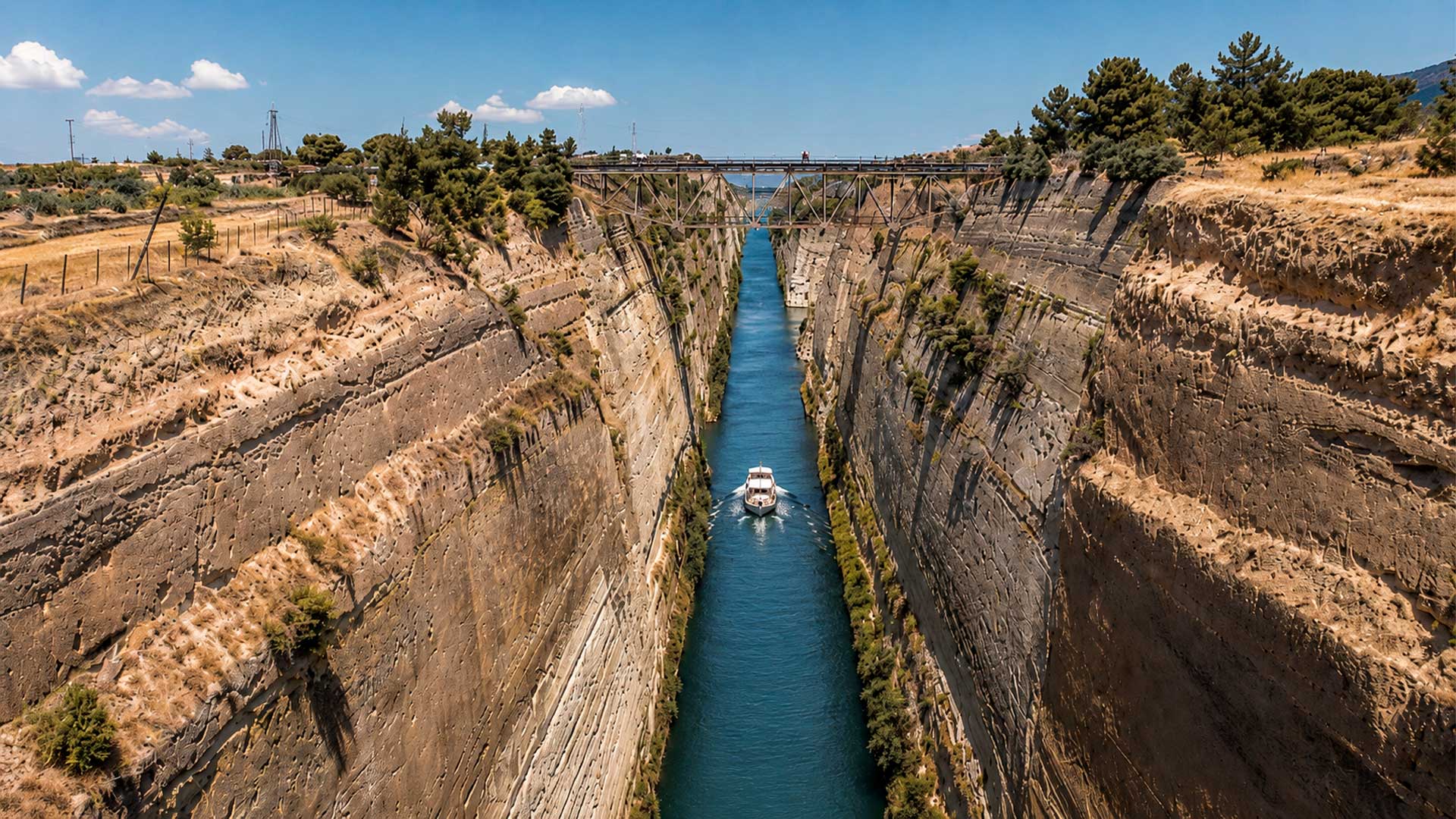
The shortcut that Greece dreamed of for 2,000 years cuts through a strip of rock in the Mediterranean, connects two seas, and still impresses ships that pass squeezed between the stone walls.
-
Traffic sign with two cars together, white background and four diagonal lines: see what it means


Other Tunnels Of The Project
In Addition To Cuncas 1, The Project Features Another Notable Tunnel: Cuncas 2. It Has A Length Of 4.5 Kilometers And Connects The Municipalities Of São José De Piranhas To Cajazeiras In Paraíba.
Both Structures Are Part Of The North Axis Of The Transposition, Which Carries Water To Areas With Water Scarcity In The Northeast.
Regional Importance
Cuncas 1 Reinforces The Water Infrastructure Of The Northeast, Ensuring Large-Scale Water Passage Between Neighboring States. Its Unprecedented Dimension Marks A Central Point In The Engineering Of The Project.
The Transposition Of The São Francisco River Is One Of The Largest Water Infrastructure Works Ever Carried Out In Brazil.
The Project Aims To Deliver Water From The São Francisco River, One Of The Most Important Rivers In The Country, To Semi-Arid Regions Of The Northeast That Suffer From Frequent Droughts And Chronic Water Scarcity.
How Transposition Works
The Work Is Divided Into Two Main Axes:
- East Axis: Carries Water From The Itaparica Reservoir, In Pernambuco, To The Agreste And Sertão Of Paraíba And Pernambuco.
- North Axis: Begins In Cabrobó, Also In Pernambuco, And Distributes Water To Ceará, Paraíba, And Rio Grande Do Norte.
Each Axis Includes Canals, Pumping Stations, Aqueducts, Tunnels, And Reservoirs, Totaling Over 470 Km Of Infrastructure. Water Travels This Route By Gravity Or By Pumping, Crossing Various Types Of Terrain.
Benefited States
The Transposition Directly Benefits Four States: Pernambuco, Ceará, Paraíba, And Rio Grande Do Norte. Together, They Host About 12 Million People In The Areas Covered By The Project.
Main Objectives
- Ensure Human Supply In Water-Scarce Regions;
- Reduce The Impacts Of Prolonged Droughts;
- Support Economic Activities, Such As Agriculture And Subsistence Livestock Farming.
The Project Has Also Faced Criticism For Environmental Issues, High Costs (Over R$ 12 Billion), And Maintenance. There Are Also Debates About Water Management In The States And How To Ensure It Reaches All Communities Fairly.
Despite This, The Transposition Is Considered A Historic Landmark For Development.





Be the first to react!