





 Portuguese
  English
  Spanish
  3 min of reading
  0 comments


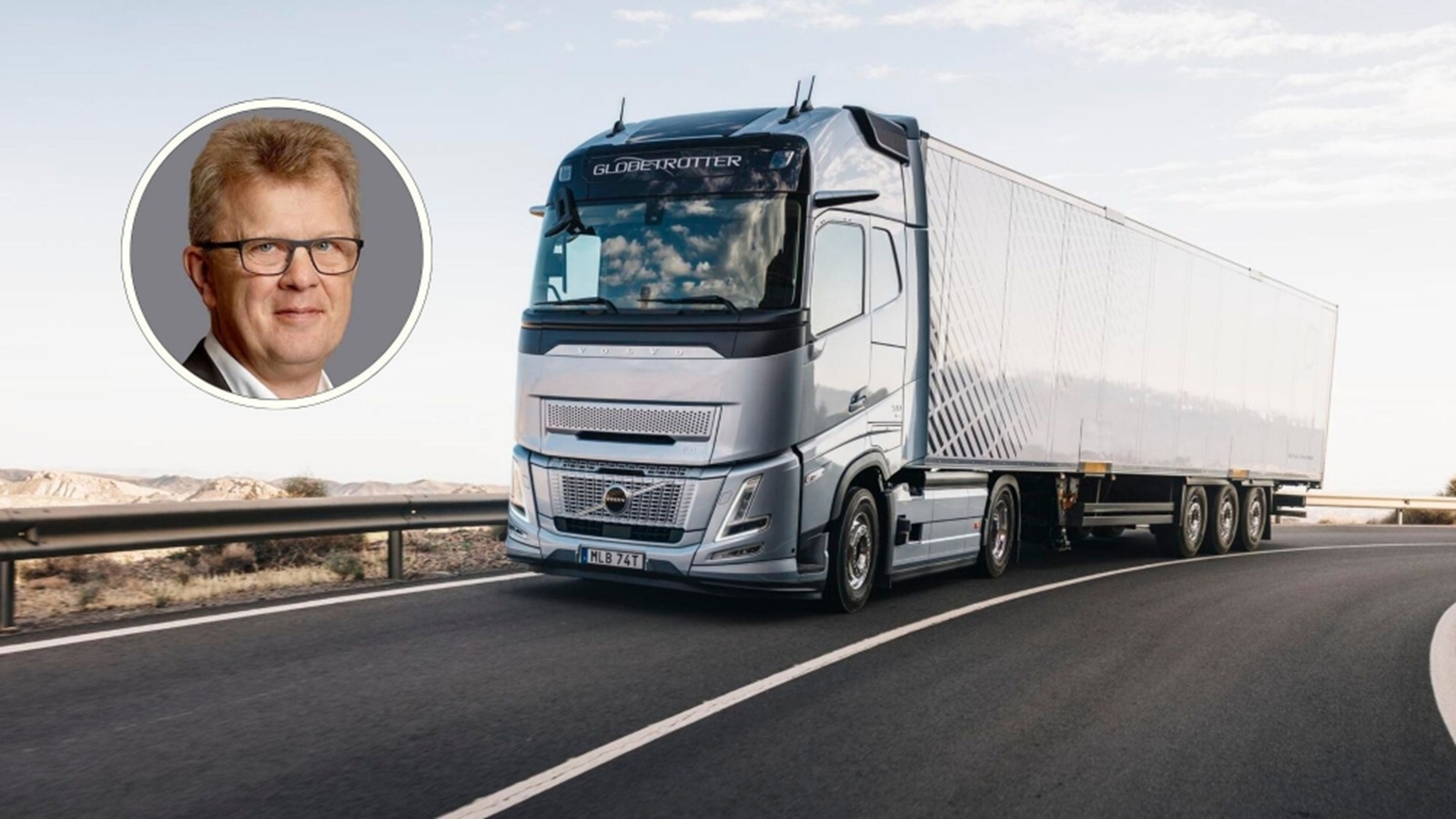
Volvo Trucks states that its second generation of electric trucks can already replace traditional diesel models in many operations, with a promise of a range of up to 700 kilometers and production planned in Europe from 2026
Volvo Trucks announced a technological offensive that promises to transform heavy transport, combining long-range electric trucks and a new platform of engines compatible with renewable fuels.
The second generation of electric vehicles promises to replace diesel trucks in a large part of operations, with a range of up to 700 kilometers per charge, expanding the viability of electrification in regional and medium-distance routes.
Roger Alm, president of Volvo Trucks, highlighted the importance of the launch. “This is a crucial launch, as the decarbonization of the transport sector needs to be accelerated, and the new technologies we are launching now will offer transport companies the best of both worlds,” he stated.
-
GAC launches “Chinese hybrid Kombi” with 7 seats cheaper than Tiggo 8 Pro Plug-in Hybrid in Brazil; for around R$ 177,000 in conversion without taxes, the Trumpchi E8 PHEV has a 2.0 engine, DHT transmission, an electric range of 150 km, and a premium family cabin for those living in China.

-
Electric and hybrid cars receive flood warnings: brands limit crossing to 20 or 30 cm, recommend up to 10 km/h, and warn that water on the floor can contaminate batteries, render systems unusable, and void the warranty.
-
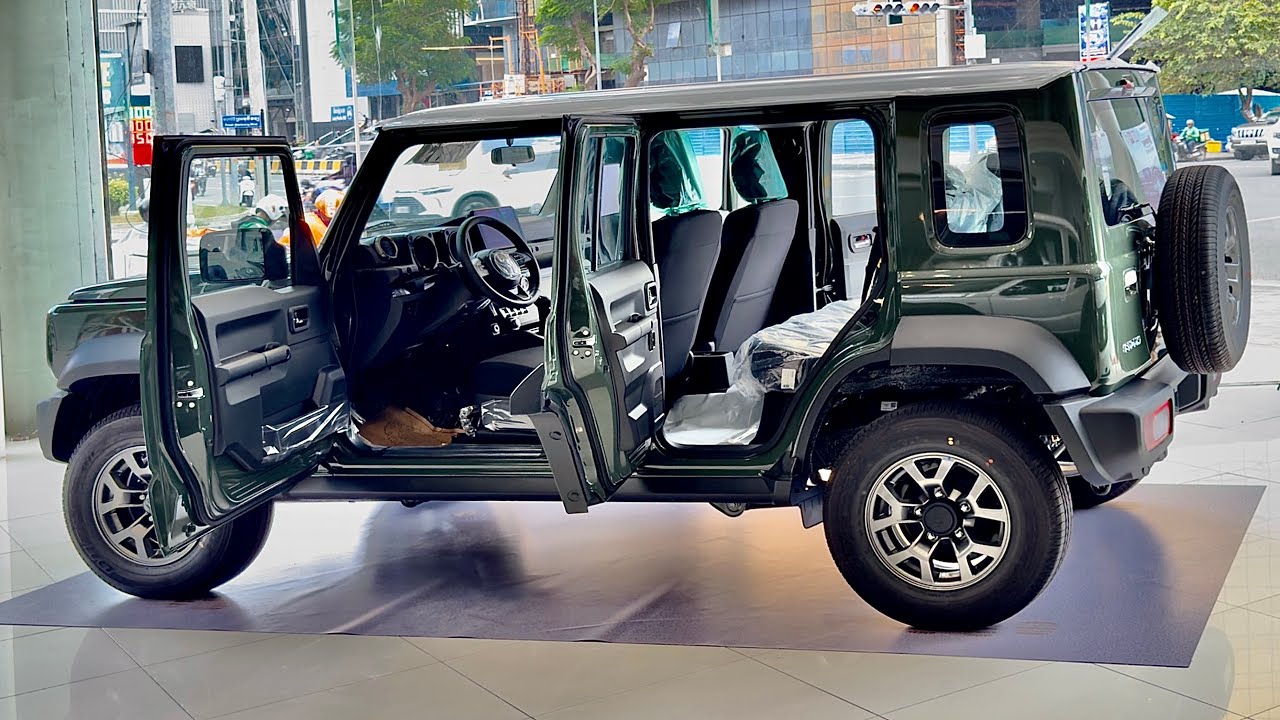
Suzuki sells a “family 4×4 SUV” with 5 doors, 1.5 engine, ladder frame chassis, 4×4 traction with reduction gear, and a price equivalent to about R$ 66,000 without taxes, below the Jeep Renegade sold in Brazil: meet the Jimny 5-Door in India.
-
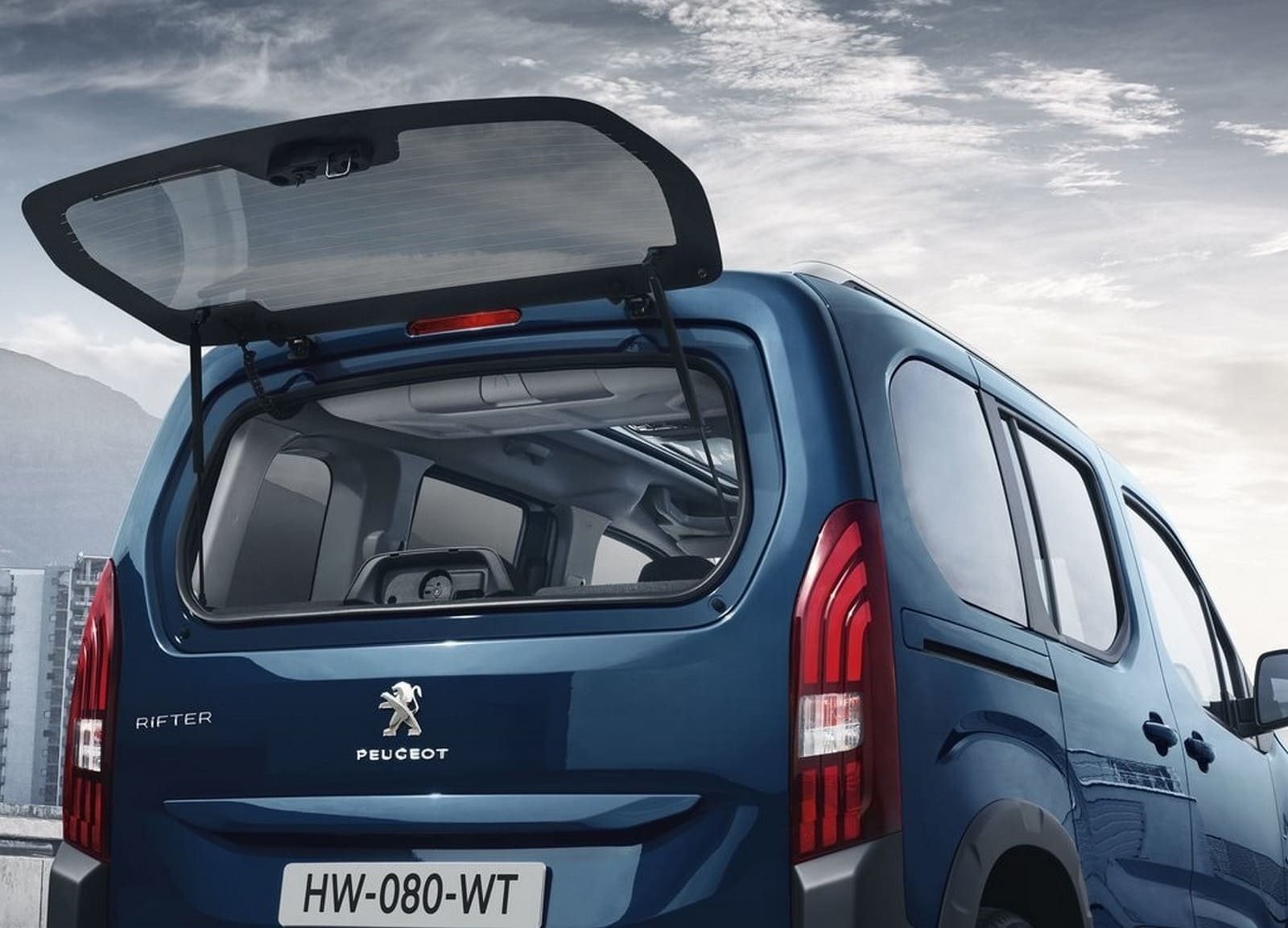
Stellantis sells the “French family van” with up to 7 seats, a 100 hp diesel engine, a trunk of up to 775 liters, and a price equivalent to about R$ 153,000 without taxes, below the Tiggo 7 Pro Max Drive sold in Brazil: meet the Rifter.



The company seeks to serve both operators capable of electrifying their routes and those who still depend on low-emission combustion engines.
Advancements in electric mobility
The new generation of electric trucks represents an advancement over previous models, which have been on the market since 2019. So far, Volvo has sold more than 6,000 electric trucks in over 50 countries and offers eight different models. This practical experience allows for adjusting the technology to the demands of customers in various sectors.
Production of the new vehicles will be in Gothenburg, Sweden, and Ghent, Belgium, with gradual implementation planned for 2026.
The range of up to 700 kilometers on a single charge is a relevant milestone, as it reduces the dependence on diesel engines in medium-range operations. Electrification is no longer seen only as an urban solution, becoming viable for more demanding routes.
Flexible combustion platform
In addition to electric vehicles, Volvo presents a new global platform of 13-liter engines. It will allow the development of diesel and gas engines, already prepared to operate with renewable fuels such as biodiesel and biogas.
This flexibility is essential for transport companies facing limited recharging infrastructure or specific route demands. The new engines will be produced in Skövde, Sweden, with sales starting in the third quarter of 2026.
The plan also includes combustion engines powered by hydrogen, already tested on public roads, with a commercial launch expected before 2030. Volvo’s strategy combines electric and combustion technologies, avoiding competition between them and allowing adaptation according to market needs.
Strategy for net-zero emissions
The goal of Volvo Trucks is to achieve net zero emissions by 2040, based on three pillars: battery electric trucks for routes with charging infrastructure, fuel cell electric vehicles for long distances, and combustion engines powered by renewable fuels, including green hydrogen, biogas, biodiesel, and hydrogenated vegetable oil (HVO).
Roger Alm emphasized that the integration of engine platforms will reduce industrial complexity and increase production volumes, maintaining technological diversity without compromising efficiency.
With this approach, Volvo aims to lead the industry’s transition, offering practical alternatives to decarbonize heavy transport while maintaining the reliability and flexibility required by global logistics companies.







Be the first to react!