






 Portuguese
  Spanish


Government Pressures TCU to Release Billion-Dollar Auction for New Cargo Terminal in Santos, Which Could Increase Capacity of the Largest Port in Latin America by 50%
The dispute over the billion-dollar auction for the new cargo terminal in Santos exposes the government’s challenges in balancing economic interests, legal security, and the urgency to expand the country’s logistics capacity. At the largest port in Latin America, the uncertainty about the project’s future has already left around R$ 40 billion in investments adrift, while the Ministry of Ports and Airports awaits approval from the TCU (Court of Accounts of the Union) to move forward with the bidding.
Largest Port in Latin America and the Strategic Impact of the New Terminal
The Port of Santos is responsible for handling almost a third of Brazil’s trade balance, being a key piece for commodity exports and strategic input imports.
The new cargo terminal in Santos — known as Tecon Santos 10 — has the potential to increase the region’s container handling capacity by up to 50%, a critical leap to meet growing international demand. Without this advancement, the logistical bottleneck may compromise Brazil’s competitiveness in the coming years.
-
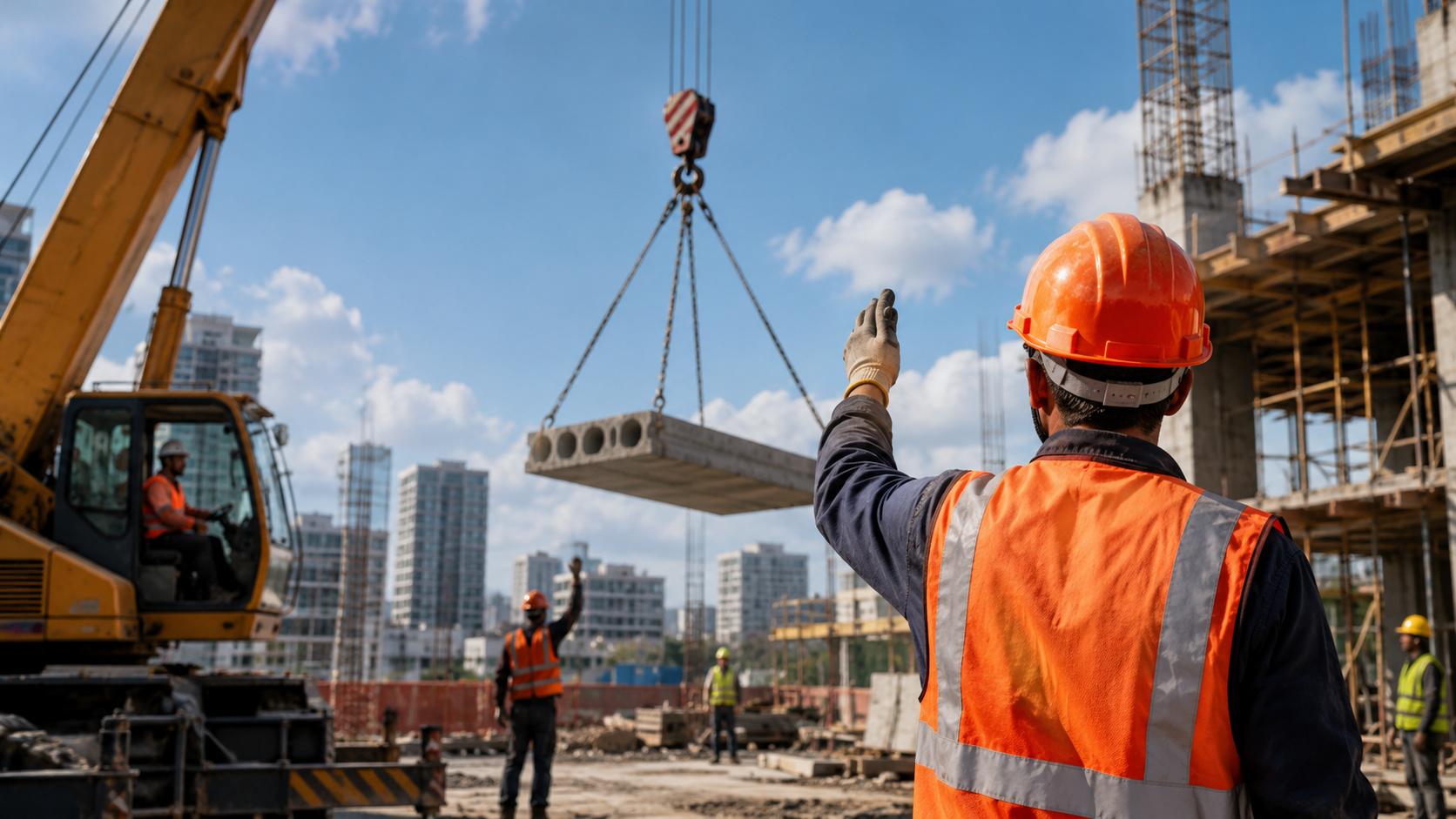
Why can the crane operator only obey the correct signalman on the construction site: among dozens of workers, a hand raised by the wrong person can confuse the maneuver and turn a load of tons into an immediate risk.

-
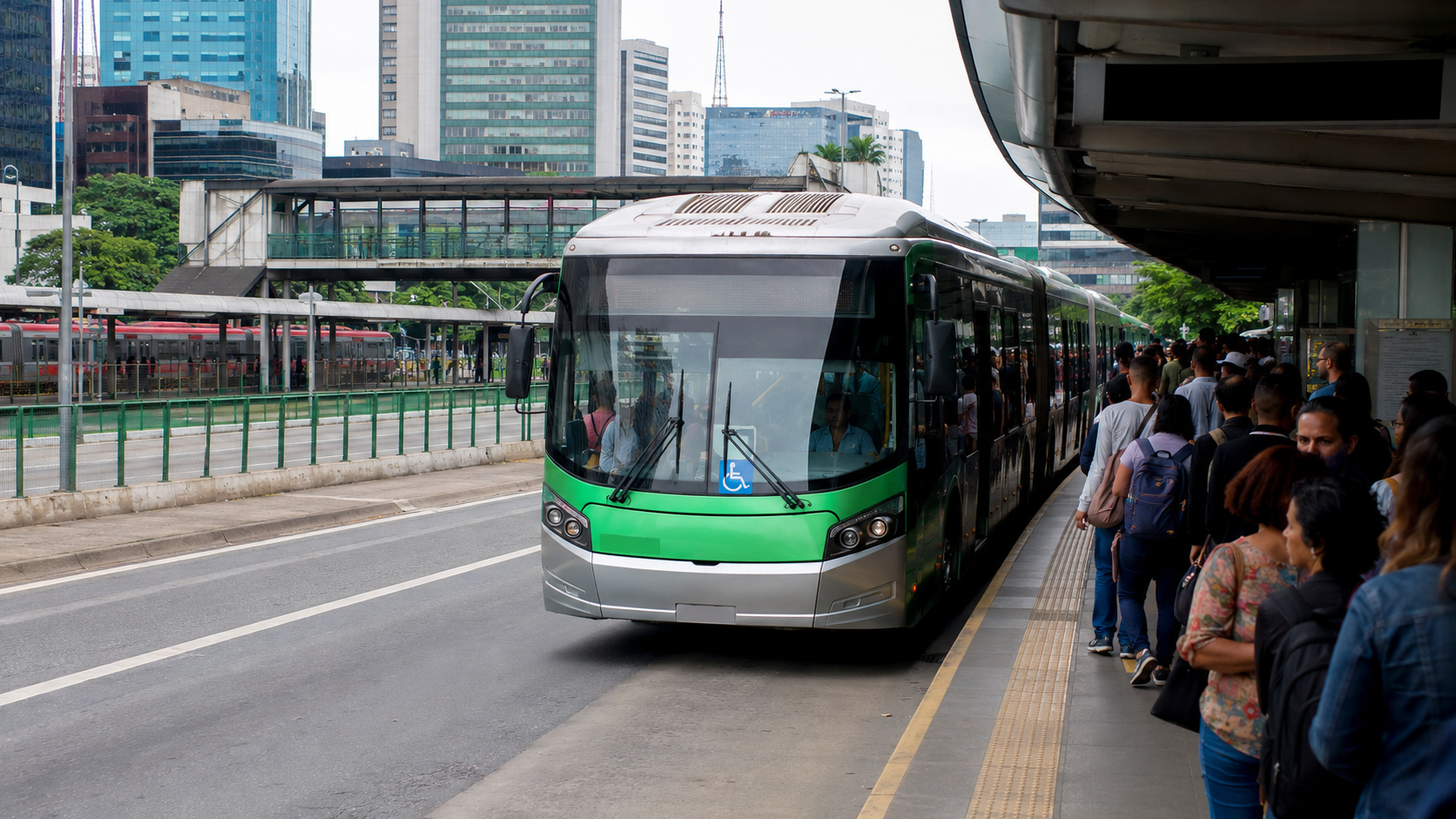
What changes with the new public transportation rules that can reduce pressure on fares and pave the way for zero fare in Brazil?
-
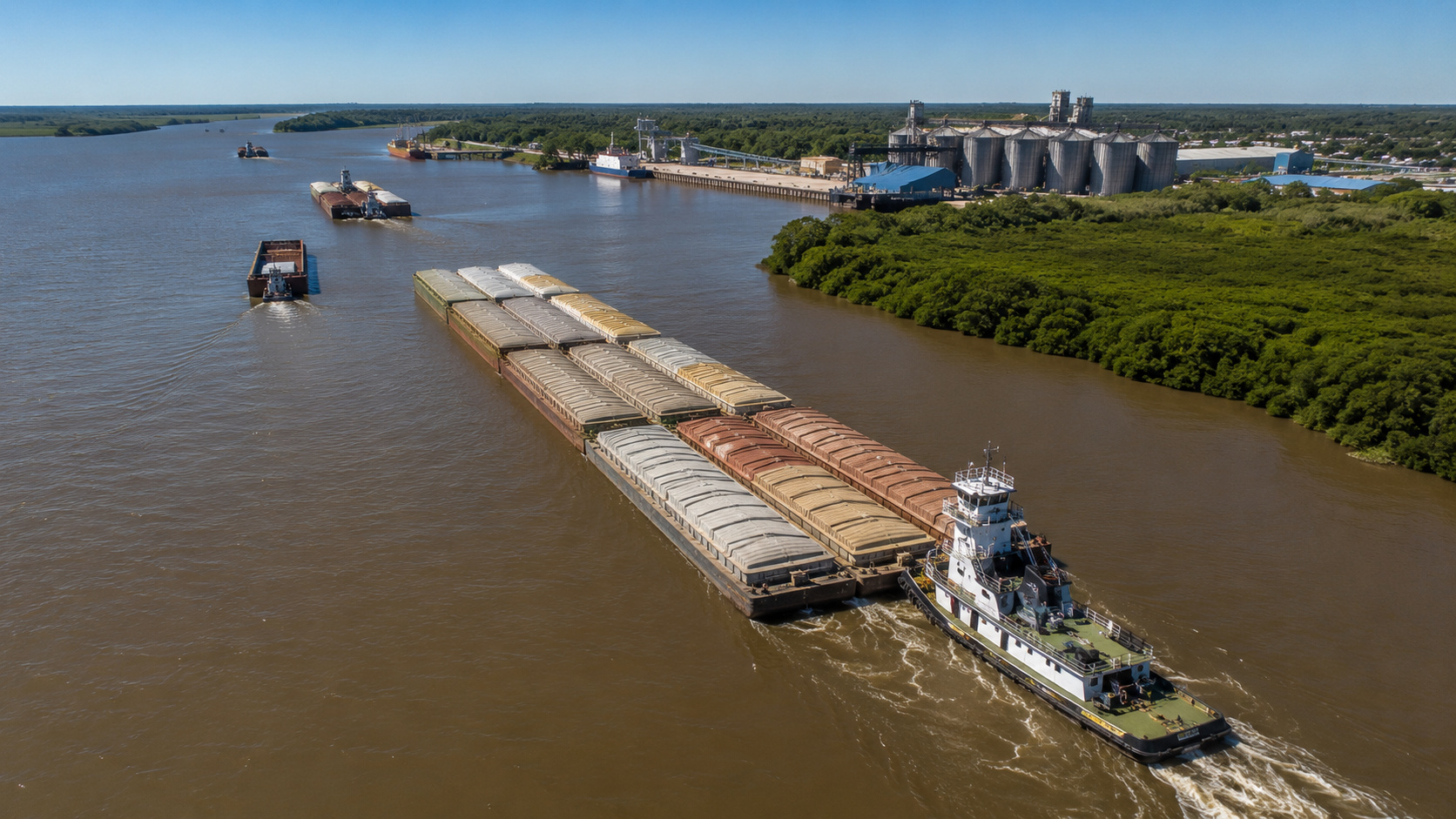
Argentina confirms Belgian giant to lead strategic Paraná River waterway and promises to reduce logistical costs on one of South America’s most important routes
-
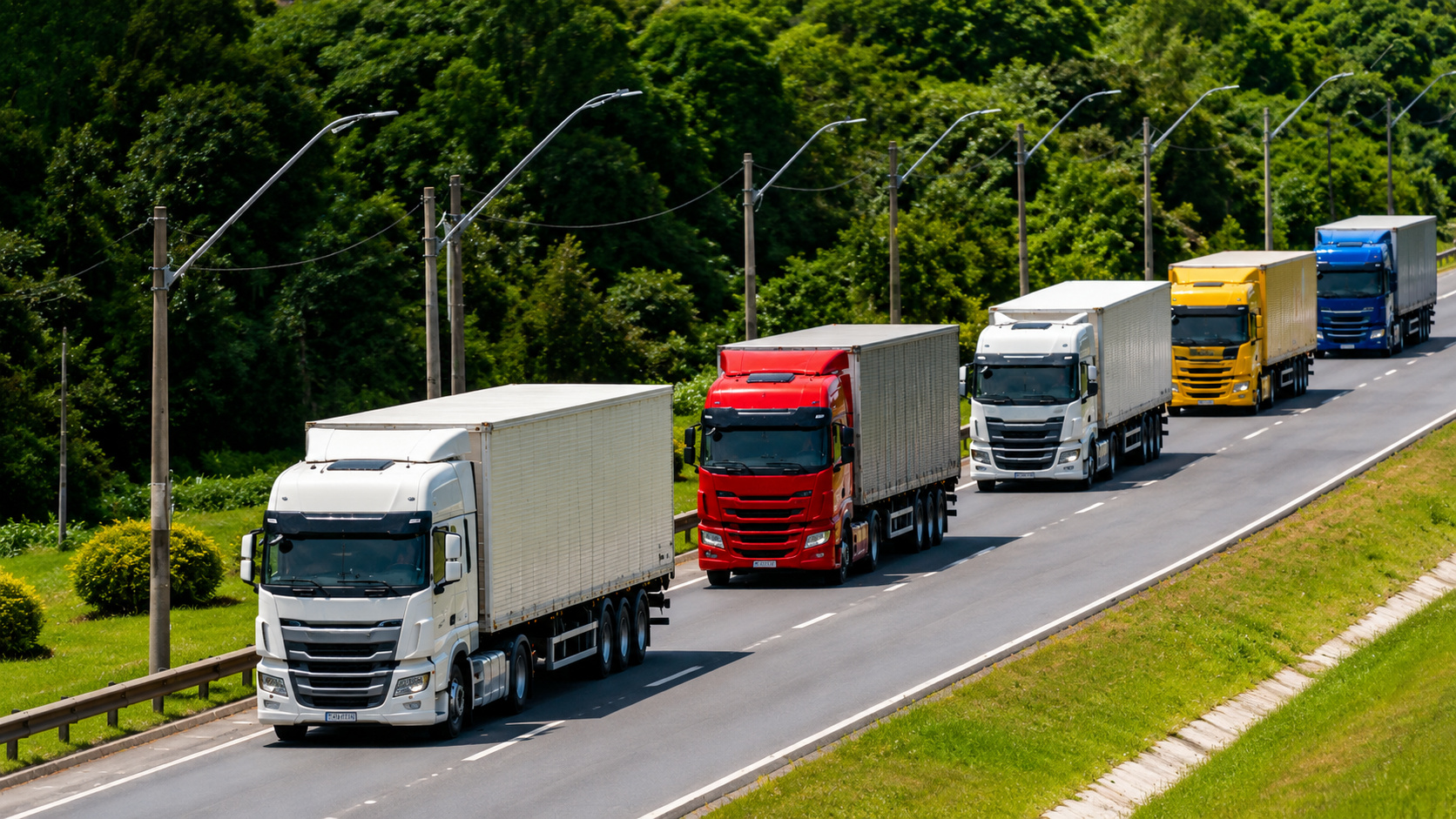
MBRF surprises the logistics sector by demonstrating how Artificial Intelligence can directly influence deliveries throughout Brazil by reorganizing distribution routes in seconds, optimizing fleet usage, reducing logistics costs, and speeding up product arrivals even in the face of unforeseen road incidents.
Billion-Dollar Auction for the New Cargo Terminal in Santos and the Controversy Over the Tender

The tender prepared by Antaq establishes a two-phase competition. In the first phase, only companies that do not currently operate in the port can participate, preventing giants like CMA CGM, BTP (Maersk and MSC), and DP World from increasing their dominance — together, they already control more than 60% of container movement in the port. If no interested parties come forward, the auction would then be opened to current operators.
The proposal aims to mitigate market concentration risks but faced strong resistance from lawmakers and representatives of the private sector, who see the restrictions as a factor that could lead to lawsuits and further delay the process. The risk is that excessive limitations could deter potential investors precisely when the government seeks to accelerate strategic works.
Public Hearing and Political Pressures
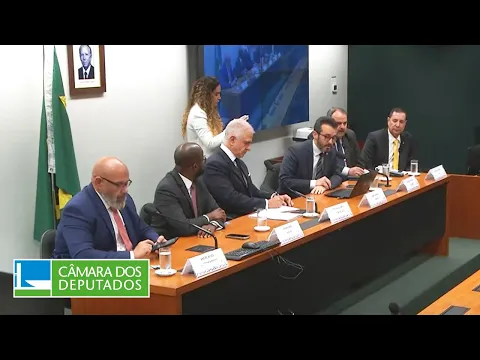
At the hearing held by the Economic Development Commission of the Chamber, Congressman Júlio Lopes (PP-RJ), president of the Parliamentary Front for Competitive Brazil, highlighted that Antaq would have made an error by imposing excessive restrictions in the tender.
According to him, it is up to Cade — the agency responsible for competition defense — to act in case of market concentration, not for Antaq to limit participants beforehand.
Lawmakers connected to the business front argue that the tender should be revised, allowing for broader competition, or risk legal actions that may stall the process. The report from the hearing was sent to the TCU, which now concentrates expectations on the project’s future.
The Role of TCU and the Decisive Deadline
The TCU has until October to issue a statement on the tender, urgently. Minister Antonio Anastasia is the rapporteur for the case and has already held a panel with representatives of the government and interested companies. The technical evaluation by the court is considered crucial to unblocking the process and providing legal security to the parties involved.
In the meantime, the Ministry of Ports and Airports is pressuring for a quick decision, warning about the risks of delay.
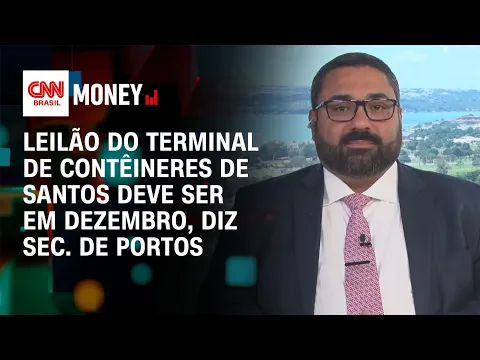
Director Bruno Neri stated that, with or without restrictions, the important thing is to “hammer down” and ensure that the auction takes place this year.
New Cargo Terminal and the Challenges of Privatization
The construction of the new cargo terminal in Santos is part of the privatization program for the port sector and is seen as one of the most important projects of the current administration. In addition to the estimated investment of R$ 40 billion, the work is expected to modernize structures, create new logistics centers, and reinforce Brazil’s strategic position in international routes.
However, the delay in moving forward with the tender increases pressure on the government, which needs to reconcile expectations from the private sector, political interests in Congress, and the technical requirements of the TCU.
Outlook for the Coming Months
If approved, the auction could mark a turning point for national port infrastructure, opening space for robust investments and enhancing the country’s competitiveness in foreign trade.
On the other hand, if the deadlock persists, the risk is that essential resources remain paralyzed and that the largest port in Latin America faces even more logistical bottlenecks, harming the economy as a whole.
And you, do you believe that TCU’s opinion will be sufficient to unlock the billion-dollar auction for the new cargo terminal in Santos and ensure that the investments finally materialize?








