






 Portuguese
  Spanish


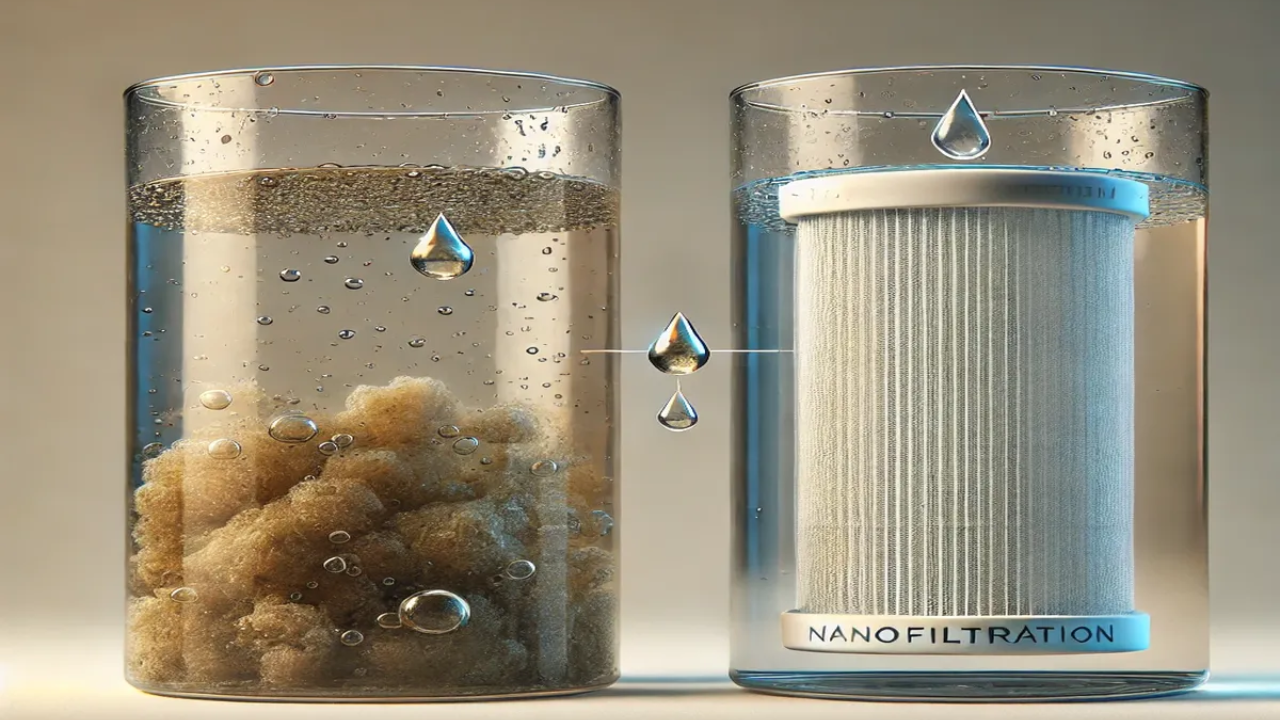


New Silk-Based Nanofiltration Membrane Purifies Water Faster and More Efficiently, Using Less Energy.
The growing scarcity of drinking water and the high demand for efficient water treatment solutions have driven the development of new filtration technologies. Among the most recent innovations is the nanofiltration membrane, patented by a team of researchers from the University of Hong Kong.
This membrane, made from natural silk, promises to significantly improve water purification processes, using much less energy compared to traditional filtration techniques.
Water filtration is a crucial step in ensuring the quality and safety of the water consumed by the population.
-
China Develops Custom 140-Ton Electric Mining Truck with 770 kWh Swappable Battery, Deploys 290 Units in Xinjiang’s Largest Zinc Mine

-
Meta to Launch Arena, a New Prediction App Targeting 3.56 Billion Users, Competing with Polymarket and Kalshi

-
Scientist Challenges Famous Human Evolution Theory, Argues Homo Sapiens Evolved Gradually Over Thousands of Years
-
15-Year-Old American Builds Ocean Generator with PVC Pipe and 3D-Printed Propeller for $12, Wins National Prize, Presents at White House, and Makes Forbes 30 Under 30 List




With the introduction of this new nanofiltration membrane, researchers hope to not only optimize water treatment methods but also reduce operational costs and the environmental impact of water filtration systems.
Understand Traditional Nanofiltration Membranes for Water
Nanofiltration membranes are widely used to purify water, especially in processes such as wastewater treatment and domestic filtering.
They are effective in removing a variety of contaminants from water, such as heavy metals, organic compounds, and microorganisms, while allowing beneficial minerals to pass through.
However, these filtration systems require extremely high pressures, of up to 10 times normal atmospheric pressure, making the process not only costly but also very energy-intensive.
Additionally, conventional nanofiltration membranes require bulky and expensive equipment, which limits their application in areas facing financial difficulties or lack of infrastructure.
To address these issues, researchers in Hong Kong proposed a new approach: a nanofiltration membrane that uses partial vacuum, thereby reducing the need for high pressures.
The Innovation of Silk Membrane for Nanofiltration of Water
The main innovation brought by this research lies in the use of natural silk for creating a more efficient and economical membrane.
The silk membrane is capable of purifying water at a much lower pressure than conventional nanofiltration versions, thanks to the vacuum applied in the filtration process.
This results in a filtration system that is not only faster but also uses up to 80% less energy than traditional nanofiltration systems.
Tests have shown that this new silk membrane can process up to 56.8 liters of water per square meter per hour, while retaining more than 99% of organic pollutants present in the water, such as perfluorinated compounds.
These compounds are known for their resistance to stains, oils, and water, and are often found in various industrial products.
The silk membrane, therefore, not only offers efficient water filtration but also helps remove highly harmful contaminants to human health.
Additionally, the silk-based nanofiltration membrane allows beneficial minerals, essential for human health, to pass through the filtration membrane.
This makes it an ideal solution for purification, as it not only ensures the removal of impurities but also preserves positive elements necessary for the body.
The article was published in Nature and can be read here.
Impact and Potential of the New Membrane
Professor Chuyang Tang, responsible for the research, highlighted the significance of the discovery. According to him, the new silk-based nanofiltration membrane represents a true “game changer” for water purification.

The technology promises to filter water nearly 10 times faster than traditional commercial membranes while significantly reducing energy consumption, making the filtration process more accessible and sustainable.
This innovation has the potential to be applied in various scenarios, from domestic treatment to industrial wastewater processing, as well as being usable in areas lacking resources to invest in traditional filtration systems.
With the patent recently granted, the team of researchers hopes that the technology will be quickly adopted by companies and governments, helping to combat the global water scarcity crisis.
With information from the website De Olho na Engenharia







Se for realmente para a população que necessita de água e não para a máfia da exploração do maior bem essencial ao mundo incluindo grande parte da África que seja bem vindo!