






 Portuguese
  Spanish


Mineral Found Only in the Jadar Valley Has High Lithium and Boron Content, but Its Extraction Raises Controversies about Environmental and Social Impacts
With a chemical formula almost identical to that of fictional kryptonite, jadarite is a rare mineral with the potential to supply one million electric vehicles per year. It has only been found in the Jadar Valley in Serbia, more than 20 years after its discovery.
In 2004, during borate prospecting in the west of the country, geologists from the Australian-British company Rio Tinto identified a soft, white, powdery mineral that did not match any known record.
The composition revealed lithium and boron, as well as a unique chemical formula: LiNaSiB3O7(OH).
-
Boat Made from 10 Tons of Plastic and 30,000 Discarded Flip-Flops Sails Along African Coast, Serving as a Floating Classroom on Ocean Pollution

-
Welder Discovers 16th-Century Diamond Ring in England After 7 Hours with Metal Detector; Gold Jewel Linked to Edward I Pattern Auctioned for £17,000
-
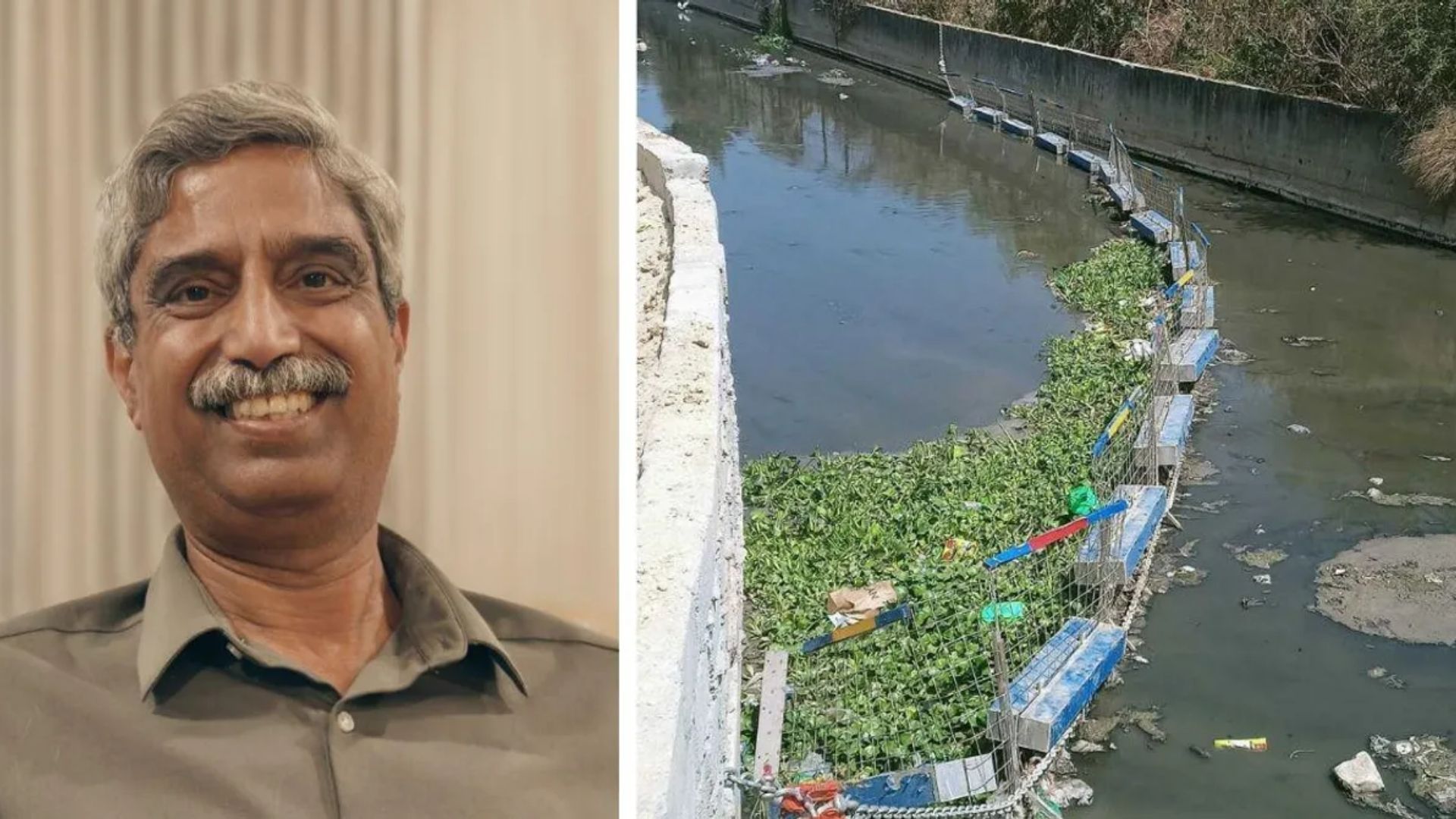
Former Merchant Marine Captain Invents Fuel-Free Barrier, Removes 20,000 Tons of Trash from Chennai Rivers
-
14-Year-Old Maxim Harris Turns School Project into Anti-Rage Gaming Accessory, Sells 1,000 Units Across 46 U.S. States, Donates 20% of Profits to Charity



Michael Page, a scientist from the Australian Nuclear Science and Technology Organisation, emphasized that although it does not possess supernatural powers, jadarite has great potential as a source of these elements.
The Jadar deposit is considered one of the world’s largest lithium deposits and could be a gamechanger for the energy transition.
Economic Potential and Characteristics
What Rio Tinto found beneath the valley was the largest lithium deposit in Europe. The estimate is 2.3 million tons, enough to power one million cars for decades.
Additionally, extracting lithium from jadarite can be done more easily than from conventional sources.
Researchers claim the mineral contains up to 3.39% by weight of lithium and 14.65% by weight of boron. The latter can be recovered as a useful byproduct.
The lithium content is comparable to that of spodumene, the world’s main source in hard rock, but jadarite can be processed using methods that consume less energy.
The white nodules that form the mineral are found in marl and dolomitic shales, deposited in a closed vulcano-sedimentary basin. This type of basin is common in the Balkans, but only Jadar contains jadarite.
Mineral with Unique Geological Formation
The origin of the mineral is linked to the formation of the Jadar Basin. Volcanic ashes rich in lithium accumulated in a shallow lake.
Over time, the evaporation of water made the area highly alkaline. This transformed the volcanic deposits into gel-like silica, triggering chemical reactions that formed jadarite.
In this process, smectite clay was degraded, releasing lithium that combined to create the mineral. It is this specific set of geological conditions that makes the Jadar Valley the only known location where it occurs.
Obstacles to Mining
Despite its potential, jadarite remains untouched. Rio Tinto moved forward with the Jadar Project and even established a mining schedule. However, environmental impact studies indicated high risks.
The reaction was immediate. Protests occurred throughout the country, and in January 2022 the government canceled the mining company’s licenses.
The decision halted the project. Eighteen months later, it was reactivated, but it is still in the planning phase.
Experts believe that mining will not begin before 2028, if it overcomes the environmental and social challenges.
The Clean Energy Dilemma
The story of jadarite exposes a current dilemma: how to extract essential minerals to abandon fossil fuels without causing new environmental harm?
The Jadar Valley, for example, is a picturesque and rural area, and any intervention would have a significant impact on the local ecosystem.
Most importantly, this debate goes beyond Serbia. In different regions around the world, mining projects for lithium and other strategic minerals face similar resistance.
Research and Alternatives
There are also signs of hope. Last year, scientists announced the creation of a synthetic version of jadarite in the lab.
For now, it is just a proof of concept, but it paves the way for the search for alternative materials that could reduce dependence on traditional extractions.
This possibility sparks interest in the industry, as it could allow for a more sustainable supply of lithium.
However, much development is still needed for the synthetic material to reach commercial scale.
Jadarite: A Symbol of Geological Rarity
Even if jadarite is never used to power electric vehicles, it is already a remarkable example of the complexity and rarity of Earth’s chemistry.
Its discovery shows how specific geological processes can create unique minerals of great economic value.
Moreover, it serves as a warning about the environmental trade-offs involved in the race for a greener future.
The energy transition requires strategic raw materials, but the way to obtain them must be balanced with environmental preservation and respect for local communities.
The case of the Jadar Valley remains open, with a mineral capable of transforming the industry still stuck in the ground.
Meanwhile, scientists, companies, and environmentalists are closely watching the next chapters of this dispute between mineral wealth and environmental protection.
With information from New Atlas.




O mundo isa é de um bom controle de natalidade que seria bem melhor para uma vida mais saudável.Do jeito que estamos caminhando com esse crescimento populacional, nunca veremos uma natureza bem conservada.