






 Portuguese
  Spanish


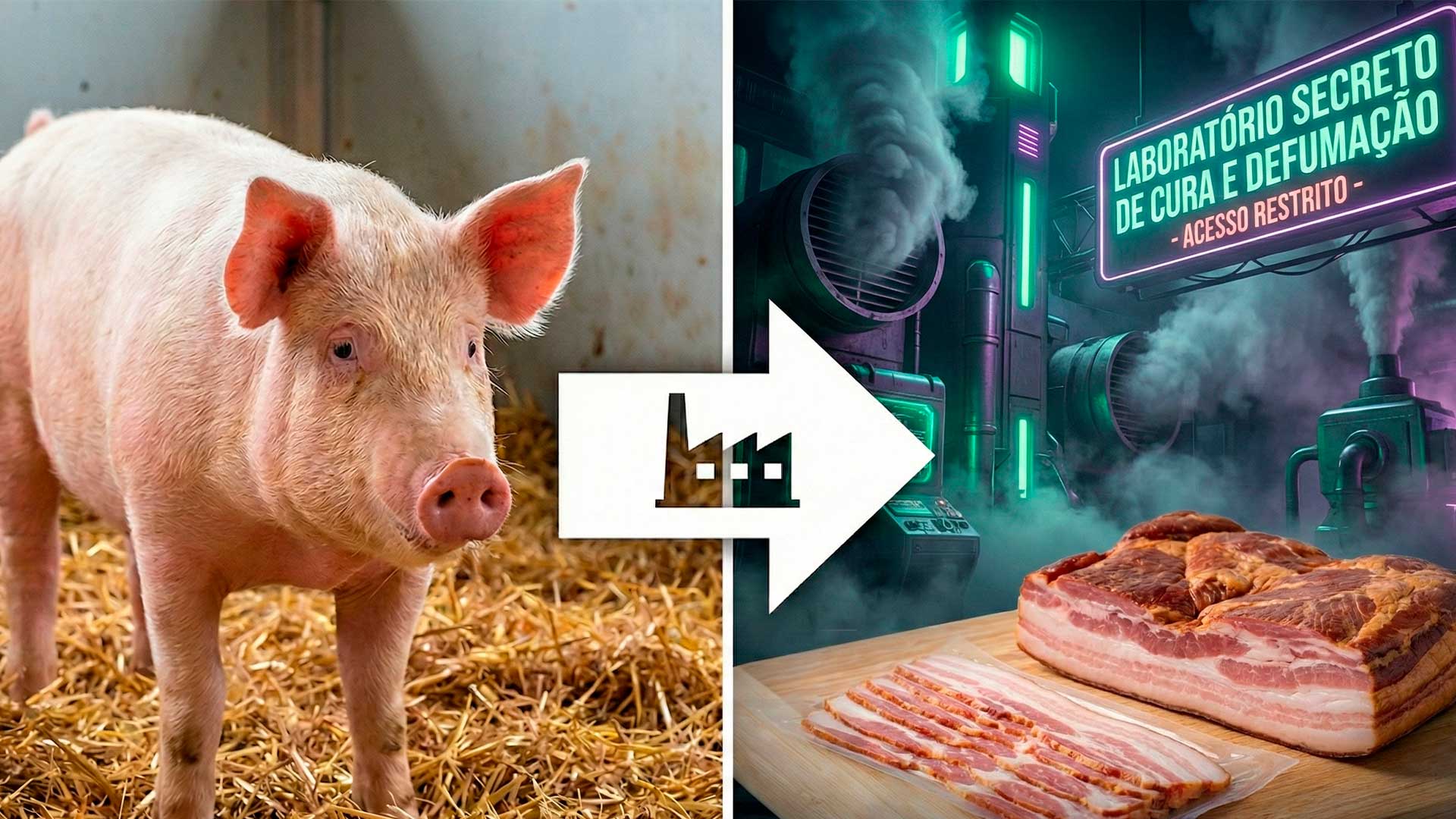


Pork Industries Transform Simple Pork Belly into Standardized, Cured, and Smoked Bacon with High Technology. In Brazil, the process follows strict hygiene and additive use rules, but coexists with health alerts and debates about processed meat consumption.
Bacon occupies a prominent place on the Brazilian plate. It appears in sandwiches, breakfasts, pasta dishes, pizzas, and even feijoadas, always promising intense flavor and crunchiness. However, behind those striped strips of meat and fat lies a complex industrial chain.
Before reaching the supermarket in shiny trays, the product originates from pork belly, passing through specialized farms, slaughterhouses, curing lines, smoking chambers, and high-precision machines. Everything is under strict control of temperature, hygiene, and standardization.
In Brazil, bacon is classified as an industrial meat product and must comply with identity and quality regulations defined by the Ministry of Agriculture and Livestock, in addition to the additive regulations from Anvisa.
-
Woman Claims to Have Spotted a Technical Pattern in Recent FIFA Tournaments, Predicts Possible World Cup Winner

-
Chevrolet Offers Chance to Win a 2026 Sonic RS for Free via WhatsApp
-
Earthquake vs. Tsunami: Which Causes More Destruction and Why One Can Be Even More Dangerous
-
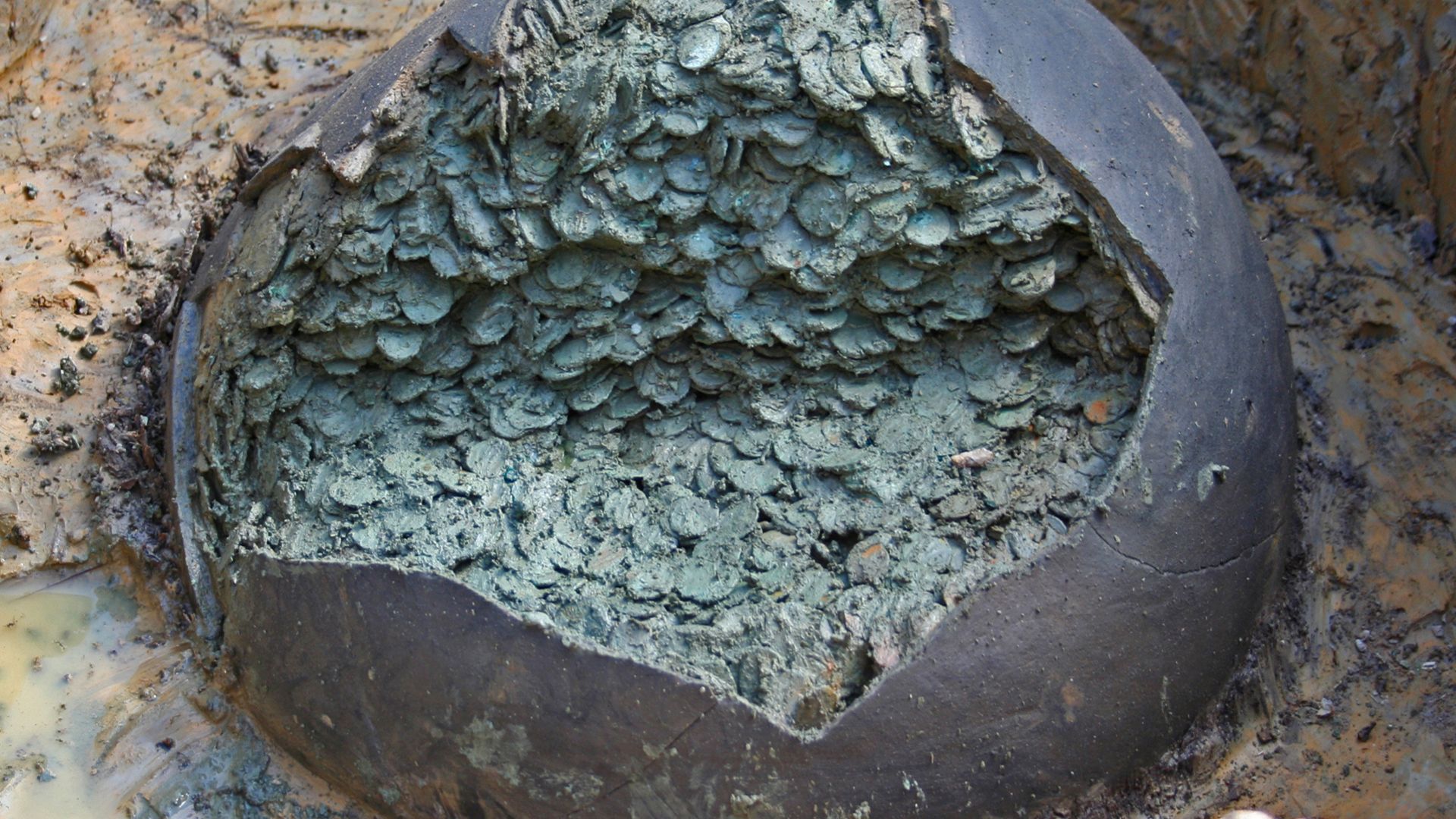
Hospital Cook Discovers 1,700-Year-Old Pot of 52,503 Roman Coins Using Metal Detector in Field


At the same time, international organizations like the World Health Organization (WHO) categorize processed meats as carcinogenic to humans, raising an alert about excessive consumption.
In this scenario, understanding how bacon is produced in factories helps consumers see beyond flavor. It shows the weight of technology, sanitary rules, and the controversies surrounding nitrites, nitrates, and eating habits.
From Farm to Slaughterhouse: The Path of Pork Belly to Become Bacon
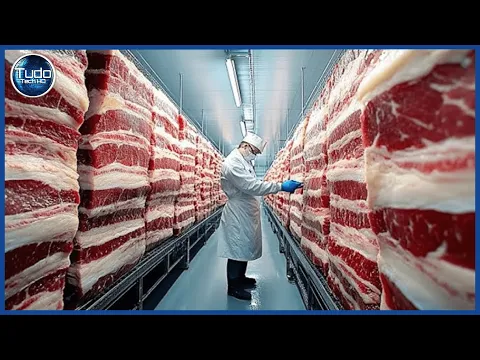

The journey of bacon begins in highly technological . Animals are raised in barns with ventilation, temperature control, and waste management, receiving balanced feed and veterinary monitoring to ensure health and appropriate weight gain.
When they reach the ideal weight, the pigs are loaded into specialized trucks with internal dividers, non-slip flooring, and ventilation. The aim is to reduce stress, which can affect meat quality, and meet animal welfare requirements and safe transport to the slaughterhouse.
At the slaughterhouse, the animals undergo official veterinary inspection to check health conditions. After slaughter and evisceration, the carcasses are cooled and sent to the cutting section, where the pork belly, known as pancetta, is separated from the loin, ribs, and other cuts destined for hams, loins, and fresh products.
From Pancetta to Standardized Piece: Preparation for Curing and Smoking
In the deboning section, pancetta undergoes the removal of large bones and excess skin and external fat. Technicians use special knives and industrial saws to preserve the noble part of the meat tissue as much as possible and ensure a cut with a balanced proportion of meat and fat, a characteristic feature of bacon.
Next, the pieces move along conveyors to rollers that compress and uniform the thickness of the belly. This process produces more regular rectangular blocks, facilitating industrial standardization and ensuring that the slices will have similar size and appearance in the tray in the future.
After pressing and size adjustment, the bellies are classified by weight and shape, discarding non-standard parts for other applications. Only the pieces that meet the criteria defined by the technical regulation of identity and quality can proceed to the curing and smoking stage.
Curing and Smoking: Chemistry, Smoke, and Fine Time Control
Curing is the heart of the transformation of pork belly into bacon. In this phase, the meat receives a mixture of salt, sugar, and compounds like sodium nitrite and nitrate, responsible for inhibiting the growth of dangerous microorganisms, aiding in preservation, intensifying flavor, and maintaining the characteristic pink color of cured meats.
This process can be done in two main ways. In dry curing, the mixture is rubbed directly onto the meat surface, and the product is kept under refrigeration for days. In wET curing, more common on an industrial scale, the belly is immersed or receives brine injections from machines with dozens of fine needles, which evenly distributes the solution inside the meat fibers in seconds.
Industrial brine typically contains water, salt, sugar, nitrite, nitrate, and, in some cases, natural spices or smoke flavors. According to studies in meat science, nitrite also acts as an antioxidant, prolonging shelf life and contributing to the characteristic flavor of products like bacon, sausages, and hams.
After curing, the pieces are kept in climate-controlled chambers with regulated temperature and humidity to ensure that the ingredients penetrate uniformly. Only then do they proceed to large smoking chambers, where the bacon receives smoke generated by the controlled burning of selected woods, such as oak or hickory, and undergoes rigorously programmed cycles of time and temperature.
Smoking intensifies flavor, aids in preservation, and produces the golden color and distinctive aroma associated with bacon. Once this stage is completed, the pieces enter rapid cooling tunnels to stabilize the internal temperature, firm the texture, and allow for millimeter-thin slicing by automatic slicers. Finally, the slices are organized into trays, vacuum-packed or in modified atmosphere, and stored in cold chambers until sent to supermarkets.
Brazilian Rules, Additives, and the Debate on Nitrites in Bacon
In Brazil, the Ministry of Agriculture establishes the Technical Regulation of Identity and Quality of bacon or smoked belly, which defines what can legally be called bacon, which cuts to use, which processes to employ, and how to control characteristics like fat and moisture content.
Anvisa also lists, in specific resolutions, the food additives allowed in meats and meat products, including sodium nitrite and nitrate. Instruction Normative 211 of 2023, for example, dictates that the total of nitrites and nitrates in meat products cannot exceed 150 milligrams per kilogram, a limit aligned with national and international risk assessments to reduce toxic compound formation.
Scientific research points out that while these additives increase microbiological safety, they can contribute to the formation of nitrosamines, carcinogenic substances, especially in products fried at high temperatures.
Therefore, health organizations and experts advocate for moderate consumption of bacon and other processed meats, while part of the industry invests in technologies to reduce nitrites or in products cured by natural alternatives.
Bacon on the Brazilian Table: Consumption, Pleasure, and Controversy
Pork has been gaining ground in Brazil, with industry entities noting an increase in per capita consumption over the last decade. Recent data released based on IBGE statistics indicate pork consumption above 18 kilograms per capita per year, with the industry betting on higher value-added products, such as sliced, seasoned bacon, ready for quick preparation.
At the same time, concern is growing about the impact of processed meats on health, especially in diseases like colorectal cancer. The WHO has already classified this type of food as carcinogenic to humans, and food safety experts point out the need for clear labeling and campaigns that promote moderate consumption and a more varied diet, with more fruits, vegetables, and alternative protein sources.
Between the pleasure of crispy bacon and medical alerts, the Brazilian consumer finds themselves in the midst of a narrative dispute. On one side, the industry emphasizes the importance of technology, traceability, and compliance with sanitary regulations. On the other, researchers and health organizations call for stricter limits on additives, risk labels, and long-term changes in eating habits.
In the end, it is you who decides bacon’s place on your plate. After learning about the journey from pig belly to tray and the controversies surrounding nitrites, smoking, and health, it’s worth reflecting: does the flavor outweigh the potential risks, or should the industry be required to change the formula? Let us know in the comments if you think bacon needs stricter warnings on labels or if you see the product merely as an occasional pleasure that fits comfortably into a balanced diet.





Imagina a carga astral negativa que deve ficar impregnada nessa carne de um **** que sentiu e viu esse processo todo, sabendo que seria morto, esquartejado e picado para servir aos carniceiros que comem cadáveres.
Mano q **** se ta falando cara carne é vida queira vc ou nao todo ser humano precisa consumir carne