





 Portuguese
  English
  Spanish
  3 min of reading
  0 comments


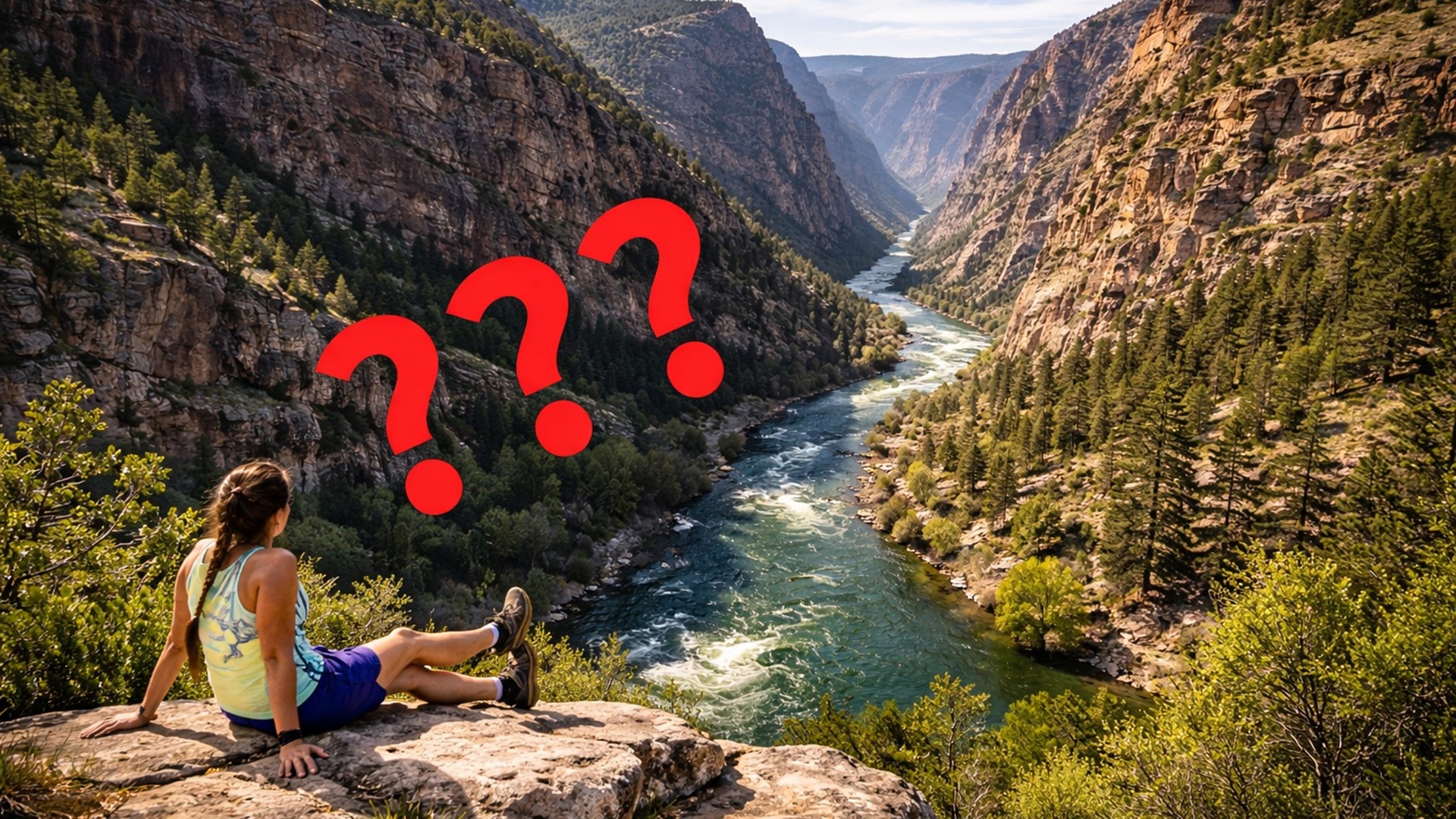
For More Than A Century, The Apparently Impossible Course Of The Green River Through The Uinta Mountains In Utah Intrigued Geology By Crossing An Older Mountain Range, Carving A Deep Canyon And Challenging The Logic Of Relief, Until New Seismic Images And Modeling Revealed A Temporary Sagging Of The Earth’s Crust Caused By Lithospheric Draping
For More Than A Century, The Course Of The Green River Through The Uinta Mountains In Utah Intrigued Geologists By Crossing An Older Mountain Range, Carving A 700-Meter Canyon And Reaching The Colorado River, Now Explained By Seismic Data And Modeling Released In 2026.
The Geological Enigma Of The Green River In The Uinta Mountains
The Green River Follows A Course Established About 8 Million Years Ago, Even Though It Crosses Mountains Approximately 50 Million Years Old. The Course Cuts Through The Mountain Range Perpendicularly, Carving The 700-Meter-Deep Lodor Canyon Before Meeting The Colorado River.
This Behavior Has Contradicted Expectations For Decades That Rivers Follow Natural Slopes And Valleys. The Discrepancy Between The Age Of The Green River And That Of The Mountains Has Fueled Debates About Possible Topographical Changes That Occurred After The Establishment Of The River Course.
-
Family has lived for over 50 years without electricity and running water at home in the South of Minas, 10 minutes from the city, improvising light, bath, and water while facing a lack of basic resources and awaiting property regularization.

-
Children from the 1980s and 1990s who spent hours playing in the street until dark naturally developed spatial intelligence, which today has become the subject of expensive courses, cognitive training, and modern methods of child and adult learning.

-
Without bombs, without electricity, and without drilling the ground, villages in southwestern Morocco have discovered how to extract water directly from the air using only polymer nets, wind, and the humidity of the Atlantic amidst the advancing desert.

-
Son of a Brazilian, a 20-year-old young man defies extreme pressure, wins the world rodeo championship, and takes home a million-dollar prize of nearly R$ 5 million.



Investigation Led By The University Of Glasgow
Geologist Adam Smith From The University Of Glasgow Led An International Team To Investigate The Phenomenon.
The Research Combined Seismic Imaging And Data Modeling To Reconstruct The Region’s Evolution And Explain The Unlikely Path Of The Green River.
According To The Study Published In 2026, It Was Not The River That Flowed Uphill. The Relief Of The Uinta Mountains Would Have Temporarily Sagged, Creating Conditions For The Establishment Of The Currently Observed River Course.
Evidence Of Lithospheric Draping
The Data Indicate The Occurrence Of Lithospheric Draping, A Process Where The Dense Root Of The Lithosphere Becomes Heavy And Detached, Sinking Into The Earth’s Mantle. This Movement Would Have Pulled The Mountain Range Downward For A Limited Period.
Seismic Images Revealed A Cold, Rounded Block About 200 Kilometers Below The Surface, Interpreted As The Detached Blob. The Crust Beneath The Uinta Mountains Also Appeared Thinner Than Expected, Reinforcing The Interpretation Presented.
Formation Of The Lodor Canyon And Recovery Of The Mountain Range
After The Detachment Of The Blob, Occurring Between 2 And 5 Million Years Ago, The Mountain Range Began A Recovery Process. The Uinta Mountains Grew About 400 Meters Around The Green River, Preserving The Already Carved Canyon.
At This Stage, The Lodor Canyon Was Definitely Formed. The Green River Established Itself As An Affluent Of The Colorado River, Maintaining Its Course Despite Later Changes In The Regional Relief, Even With Slight Typographical Inaccuracies Recorded.
Impacts On The North American Continental Divide
The Confluence Between The Green And Colorado Rivers Altered The North American Continental Divide. The Event Defined The Separation Between Basins Draining To The Pacific And To The Atlantic, As Described By Smith.
This Hydrological Reorganization Created New Habitat Boundaries For Wildlife And Influenced Its Evolution, According To Research Published In The Journal Of Geophysical Research: Earth Surface.








-

2 people reacted to this.