Portuguese
  Spanish




Step By Step Of The Demolition Of Millionaire Ships, From Parts Removal And Pollutant Removal To Material Recycling, Exploring Environmental Impacts And Work Practices Involved.
The millionaire ships, symbols of maritime strength and wealth, face an inevitable fate of dismantling at the end of their useful lives. This process is not just an act of dismantling enormous steel structures, but a complex operation that involves careful practices to minimize environmental damage and ensure worker safety.
The dismantling of ships is a detailed procedure that starts with the elimination of harmful substances and extends to the transformation of the remnants into new recycled products. Discovering how these giant structures are taken apart and the methods used to give new purpose to the derived materials, while navigating the ethical and environmental implications of this global practice.
How Millionaire Ships Are Dismantled?


Dismantling a ship is a colossal task. Shipbreaking yards around the world adopt varied methods, aiming at efficiency and minimizing environmental impact. For example, the colossal ship Seawise Giant, measuring 458 meters in length, underwent this process after decades of serving the seas.
-
They exchanged the idea of a large house for a 35 m² warehouse, spent US$ 12,000 on the structure, and created a tiny house in Colorado with space to live and work.

-
While modern cities rely on pumps and electricity, in Iran, ancient tunnels carried water through the desert using only slope and gravity.
-
Instead of sending families far from the city, a project in Chile intentionally created incomplete houses on expensive urban land and left technical space for each to grow.
-
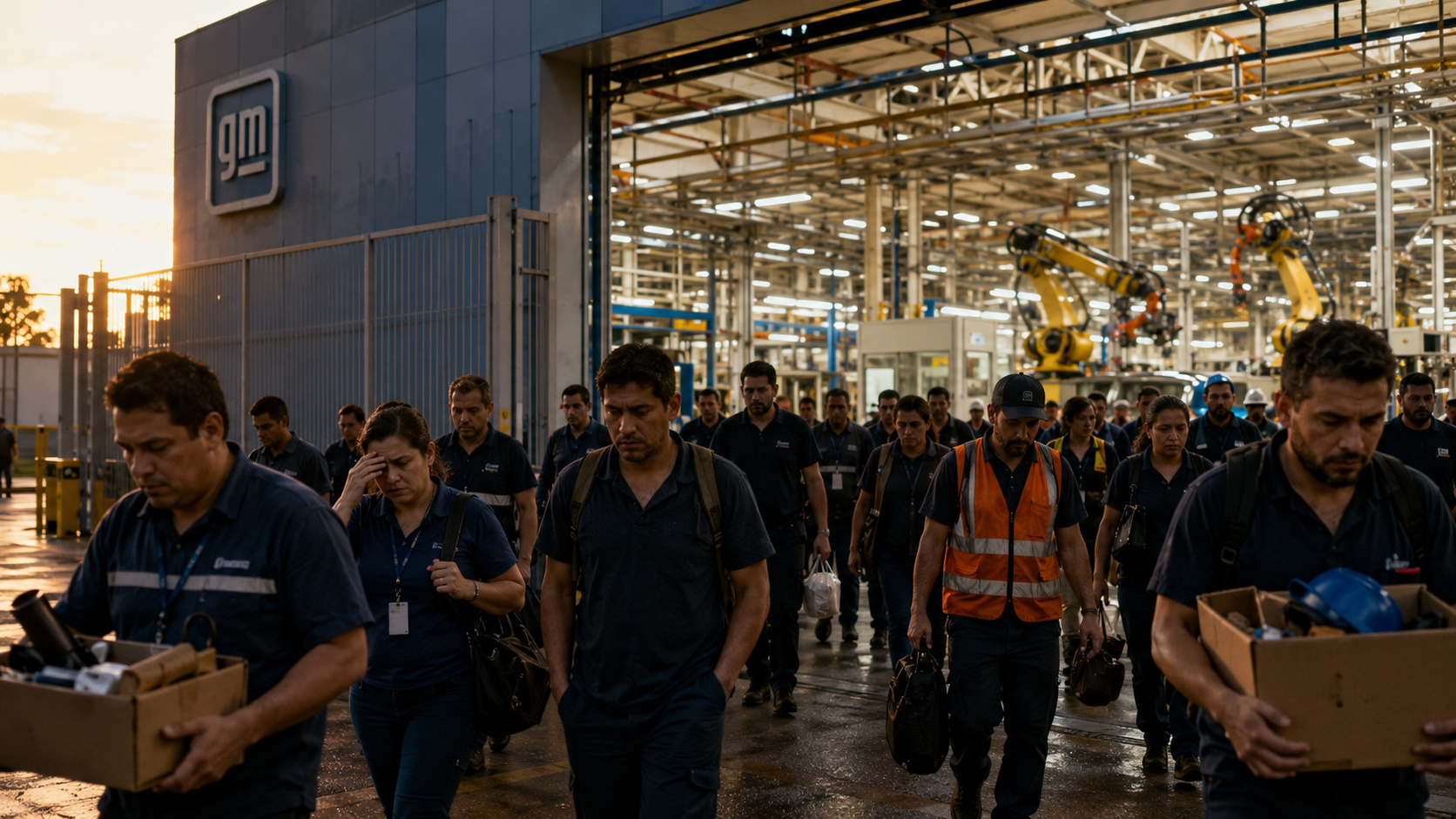
General Motors Replaces Over a Thousand Workers with 50 Cobots at Electric Vehicle Plant, UAW Union Criticizes Move Amid Industry’s Automation Push


The dismantling begins with the removal of harmful liquids and hazardous materials, such as asbestos, followed by the meticulous cutting of the hull into manageable segments. These parts are then recycled, transforming into new metallic products, in a process that reduces costs and the consumption of natural resources.
Dismantling Methods: Between Efficiency And Ethics
The dismantling of ships occurs in distinct ways, depending on the location and practices of the yard. In developed countries, the preference is for green recycling in dry docks, an environmentally responsible option, but more costly. In contrast, nations like India, Bangladesh, and Pakistan often opt for beaching ships, an effective method, but criticized for its environmental and labor safety implications.
Beach dismantling of ships, although economical, raises ethical and environmental questions. Europe, with rigorous regulations, seeks more sustainable practices, although controversies and legal challenges associated with exporting ships for dismantling in less regulated regions still exist.
Innovation In Dismantling: Ships Transformed Into Artificial Reefs
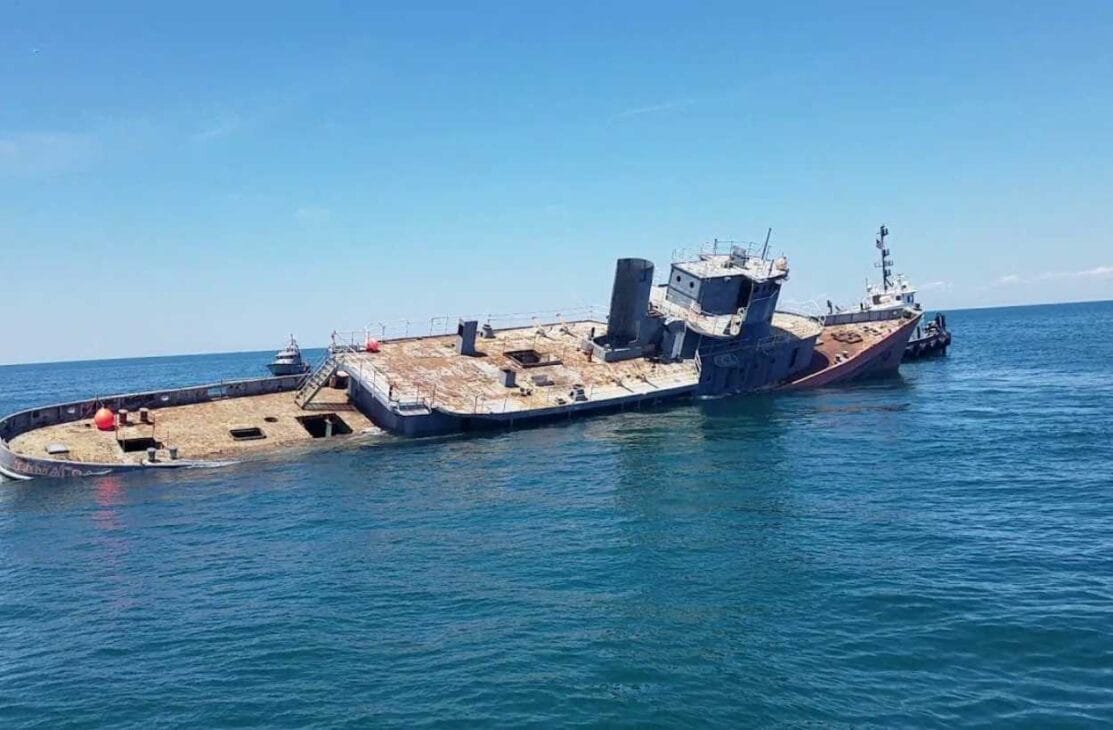
In addition to traditional recycling, there are innovative methods such as intentionally sinking ships to create artificial reefs. This practice not only contributes to marine life, but also offers new attractions for divers, exemplified by the Mohawk ship of the U.S. Coast Guard.
The dismantling of ships is a complex process that reflects a life cycle in the yards, where once powerful structures are transformed, repurposed, or returned to nature. This process not only provides recycled materials for new uses but also evokes reflections on sustainability and innovation in managing maritime resources.