






 Portuguese
  Spanish
  3 min of reading
  0 comments


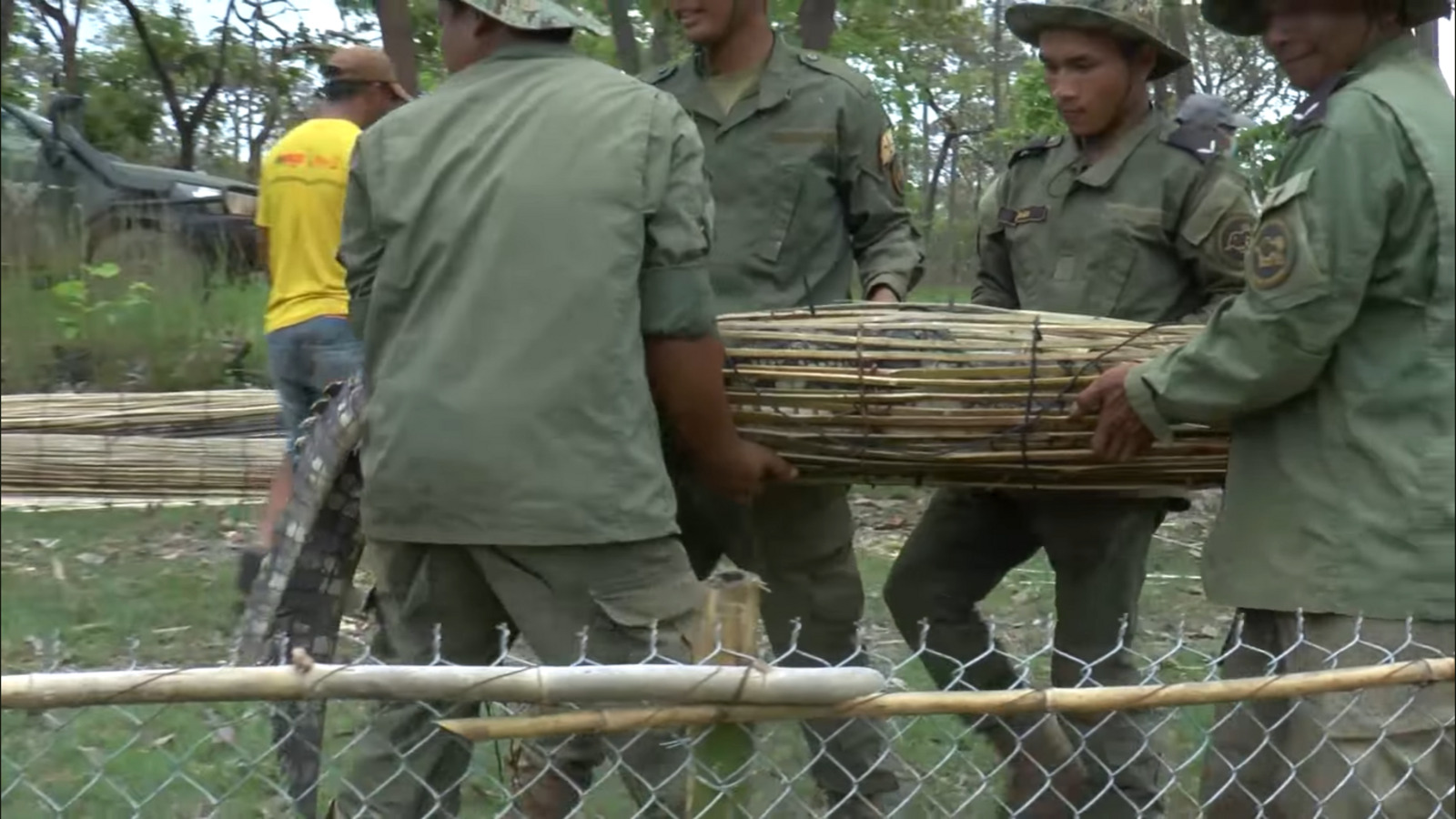
Release of 80 Siamese Crocodiles in Siem Pang Protected Area Aims to Recover Critically Endangered Species, Strengthen Wild Populations, and Restore Important Ecological Functions in Freshwater Environments in Cambodia
The release of 80 Siamese crocodiles in a protected area of Siem Pang, Cambodia, is part of a reintroduction project aimed at recovering a critically endangered species and restoring freshwater ecosystems affected by environmental degradation.


Siamese Crocodile Returns to Nature in Protected Area in Cambodia
The project carried out in Siem Pang aims to reinforce the presence of the Siamese crocodile in an environment where the species plays an important role in natural balance. The initiative takes place in a protected area that had been showing signs of environmental degradation.
The action is not limited to the release of the animals. Projects of this type involve research, planning, selection of suitable areas, and monitoring after returning to nature to verify if the individuals can survive, feed, and adapt.
-
NASA takes another look at the M87* black hole and finds details in the cosmic jet in X-rays that seem to reveal a much more unsettling universe than previously imagined.

-
NASA’s space probe passes just 4,609 km from Mars, receives a boost of 1,600 km/h, and continues towards the asteroid 16 Psyche, a body valued at up to $10,000,000,000,000,000.

-
5,500-year-old DNA found in Stone Age bones reveals that the plague was already haunting prehistoric communities long before the medieval Black Death.
-
Bacteria hidden in the freezing waters of Antarctica intrigues scientists by producing a rare compound that targets melanoma cells without affecting healthy tissues.


In the case of the Siamese crocodile, the reintroduction also impacts other forms of life. As it occupies the top of the food chain in freshwater environments, the species helps control populations of fish, amphibians, and other animals.
Species Helps Reorganize Freshwater Environments
The presence of the Siamese crocodile can help prevent imbalances within the ecosystem. By acting as a top predator, the animal influences the dynamics of other species and helps maintain a more stable relationship between populations.
The impact also occurs in the physical environment. During dry periods, these crocodiles dig small areas capable of accumulating water.
These points serve as shelters for other animals, which can help maintain biodiversity during more difficult phases.
This behavior shows why the recovery of a single species can affect the functioning of the entire environment.
The reintroduction, in this case, seeks to recover not only the number of crocodiles but also the ecological functions linked to their presence.

Why the Siamese Crocodile is Critically Endangered
The Siamese crocodile is among the most endangered reptiles on the planet. Its population has sharply declined in recent decades, mainly due to factors related to human activity.
The main threats include the destruction of natural habitats, illegal hunting, capture for trade, river and wetland pollution, and the isolation of small groups, which hinders reproduction.
Currently, only a few hundred or a few thousand individuals remain in the wild. The most significant populations still survive in Cambodia, while other Southeast Asian countries only maintain isolated groups.
The species lives in calm rivers, lagoons, swamps, and flooded areas within forests. It can reach about 4 meters in length and has a bony structure on the back of its head, used for identification.
Reintroduction Requires Preparation, Area Selection, and Monitoring
Before release, many crocodiles undergo captive breeding or controlled management. During this phase, specialists monitor the animals’ development and check if they are healthy enough to survive without human assistance.
The choice of area is also crucial. Teams assess water quality, food availability, presence of shelter, and level of environmental protection, factors that increase the animals’ chances of adaptation.
After release, monitoring continues. Researchers track whether the crocodiles can feed themselves, move around, avoid risks, and show signs of reproduction. This control helps measure the results of the reintroduction.
Even with the release of 80 Siamese crocodiles, the species remains pressured by deforestation, pollution, and human expansion into natural habitats.
Preservation depends on area protection, scientific work, and the participation of local communities.
This article was prepared based on information from the base material provided in the prompt, with data, numbers, and statements preserved as per the consulted material.






-

-

-

-

-

11 people reacted to this.