






 Portuguese
  Spanish
  5 min of reading
  0 comments


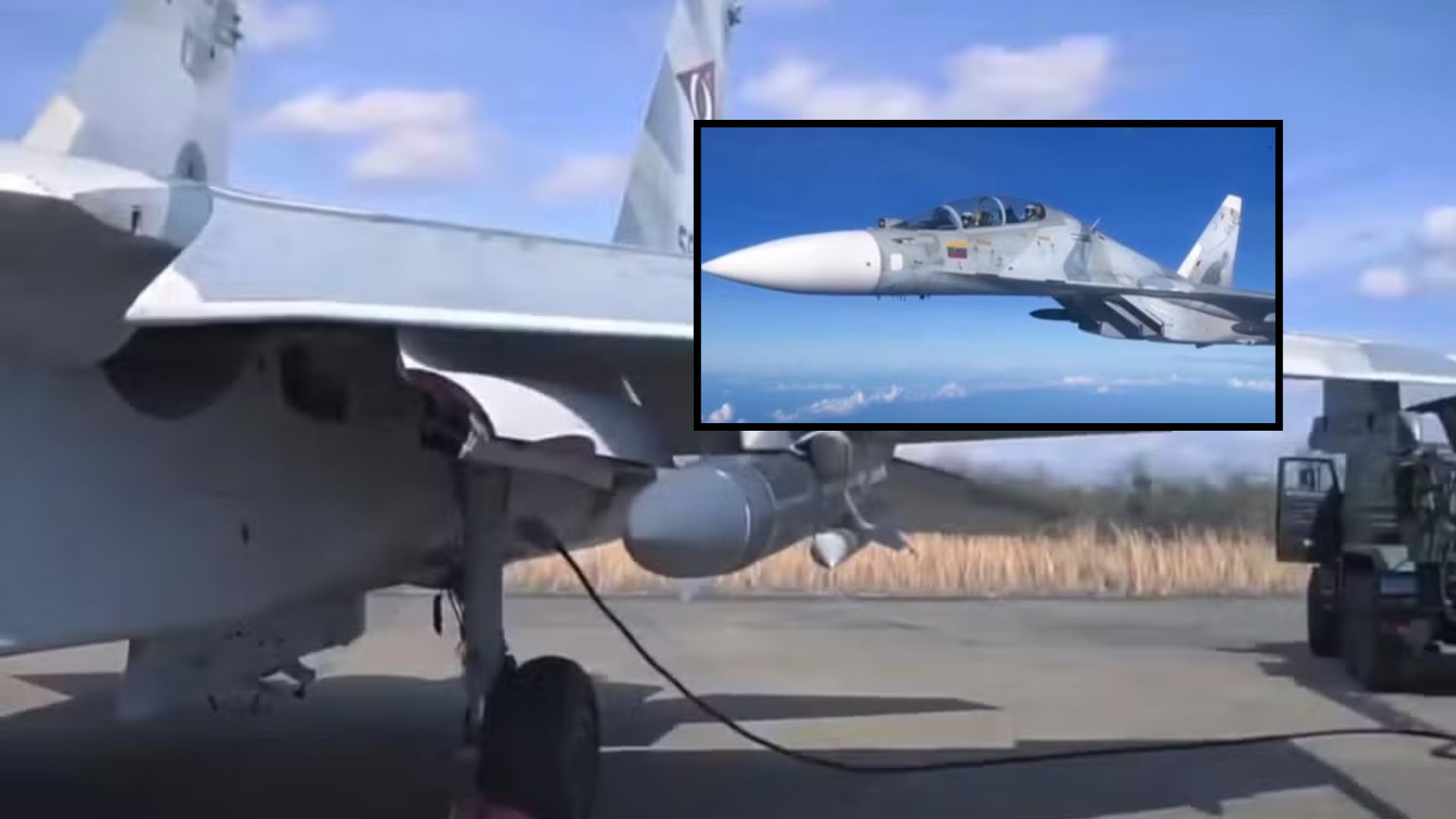
Military Exercises in La Orchila Show Sukhoi Planes Equipped with Russian Missiles, While the U.S. Strengthens Its Presence in the Caribbean with Destroyers, Fighters, and Submarine. The Move Raises Diplomatic and Military Tensions in the Region.
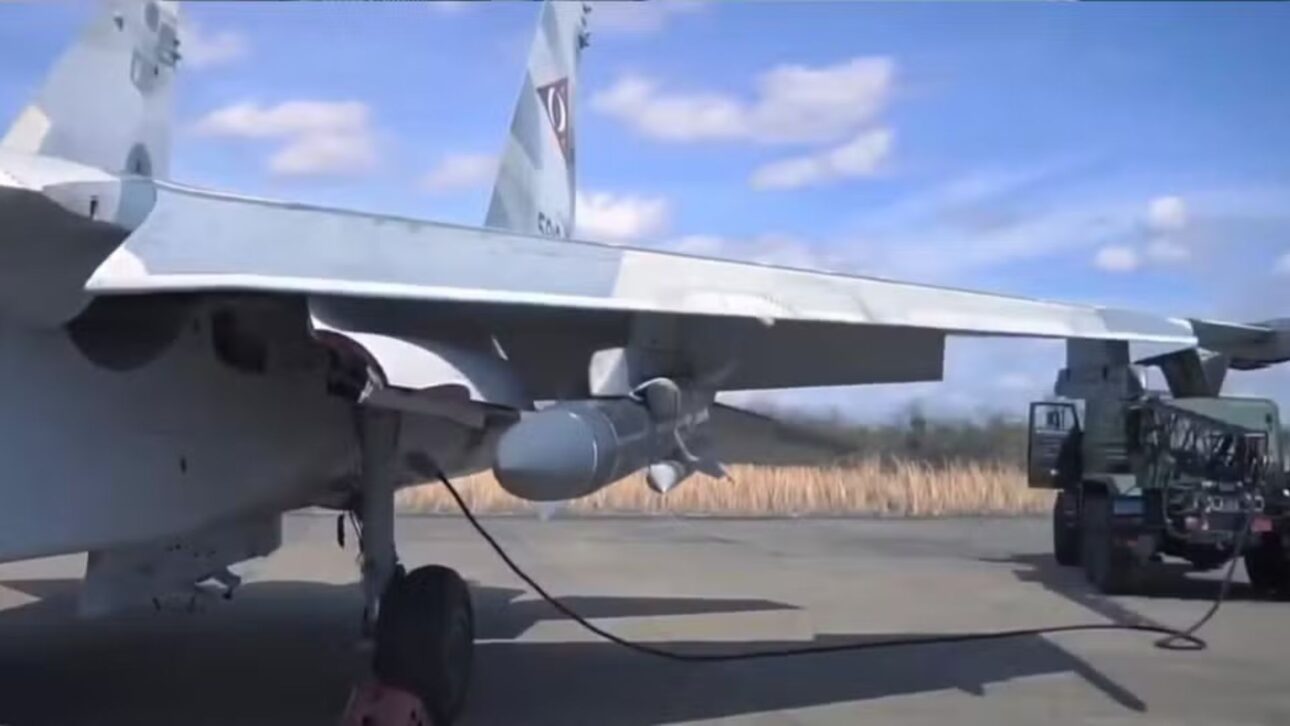
The Venezuela showcased images of Sukhoi Su-30 MK2 equipped with Kh-31 “Krypton” anti-ship missiles during the operation “Sovereign Caribbean 200“, a military exercise held in La Orchila.
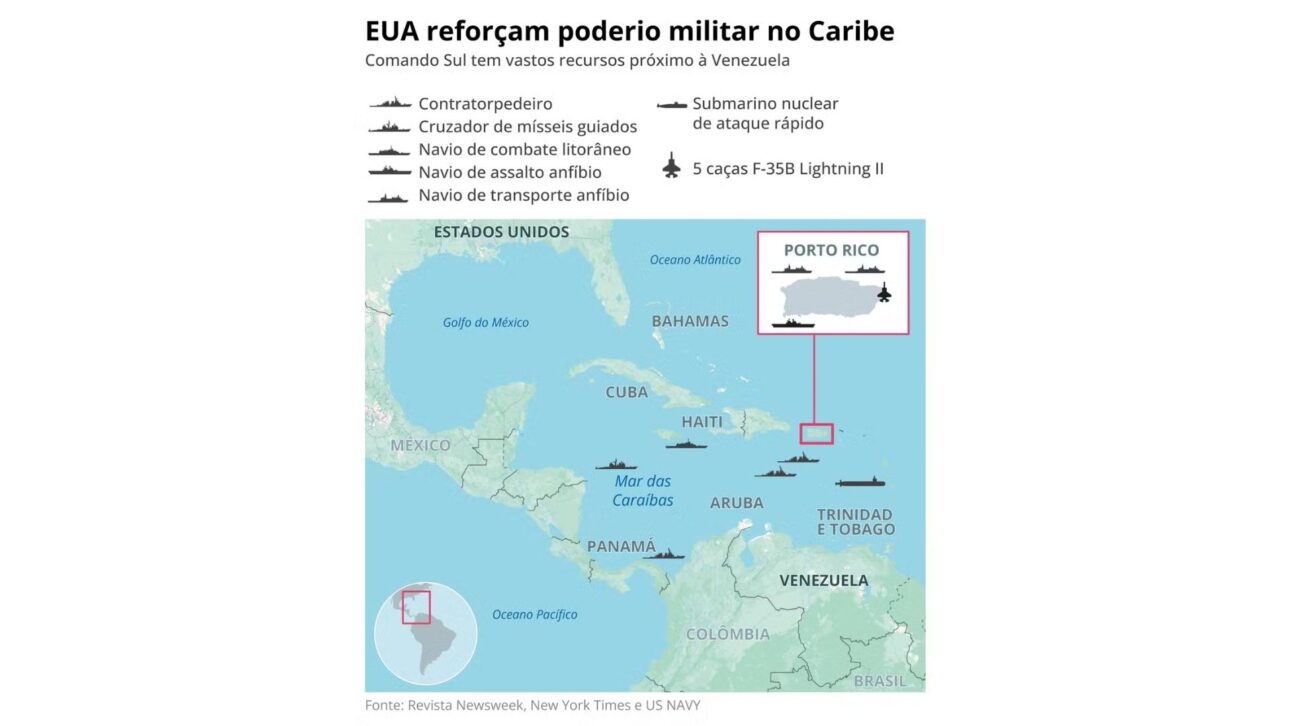
The disclosure comes amid an increase in U.S. military presence in the Caribbean, with destroyers, aircraft, and support from an attack submarine, under the justification of combating drug cartels.
Images, Armament, and Strategic Message
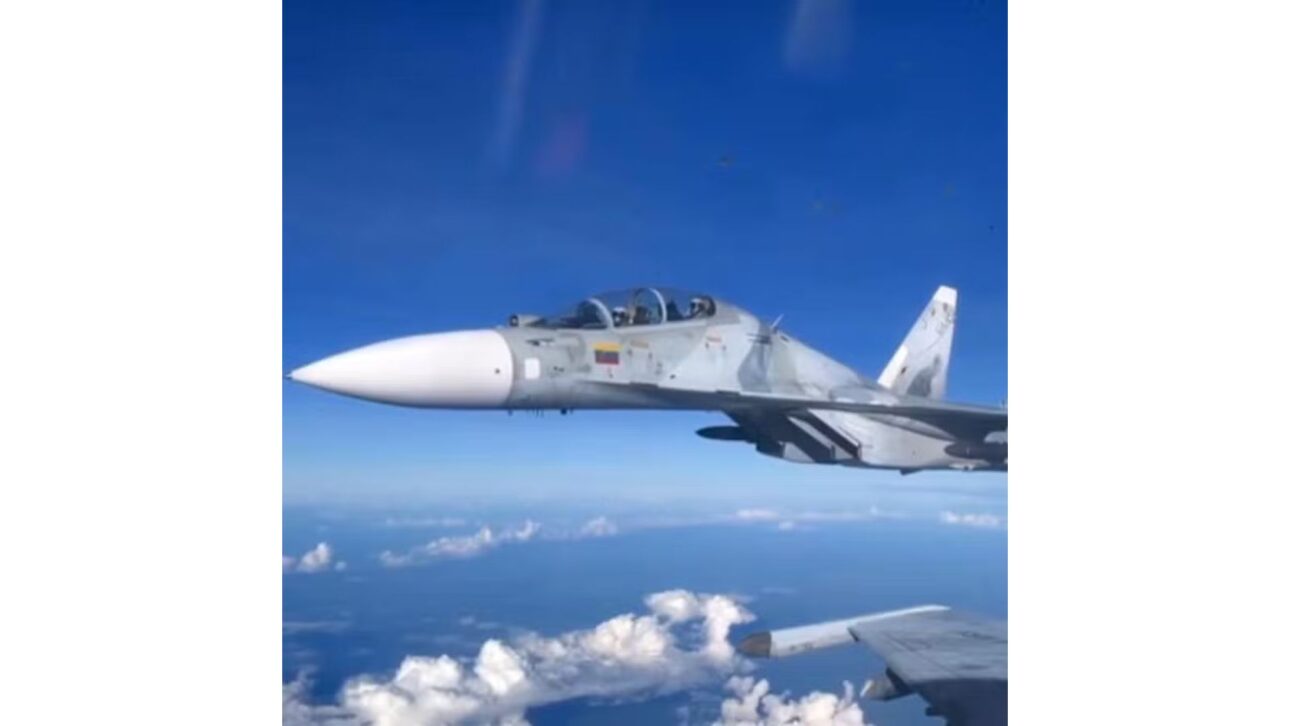
In the videos and photos published by the Bolivarian Military Aviation, the fighters from the 13th Fighter Air Group “Leones” appear configured with Kh-31 missiles, a Russian air-to-surface weapon with an anti-ship version.
-
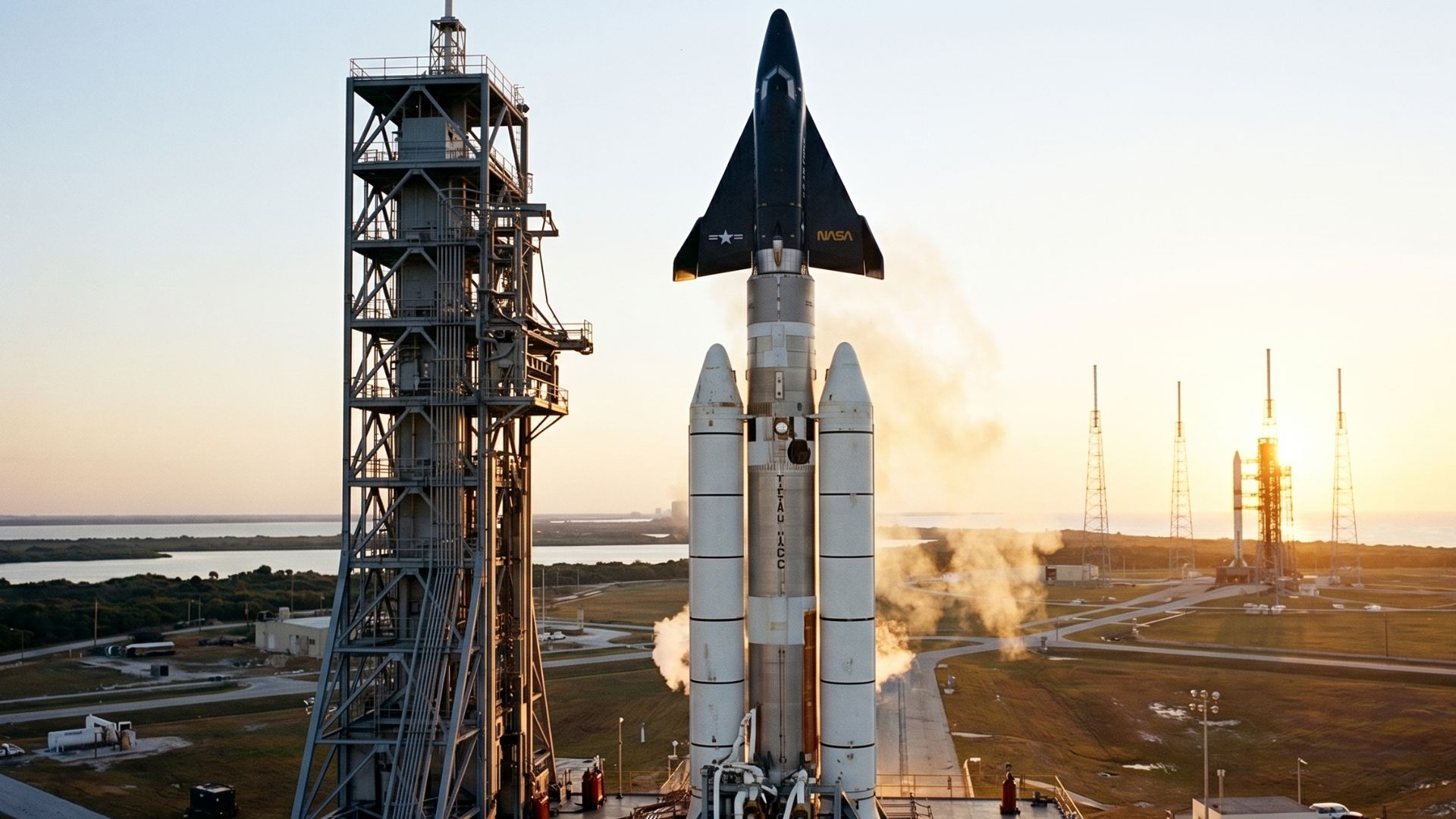
The military spaceplane that almost took the Cold War into orbit: Boeing X-20 Dyna-Soar was designed to re-enter above Mach 20, fly for up to 40 hours, land like a plane, and transform Titan rockets into a gateway to a new era of orbital warfare.

-
FAB bets on national drones and increases investments to strengthen the Brazilian aerospace industry

-
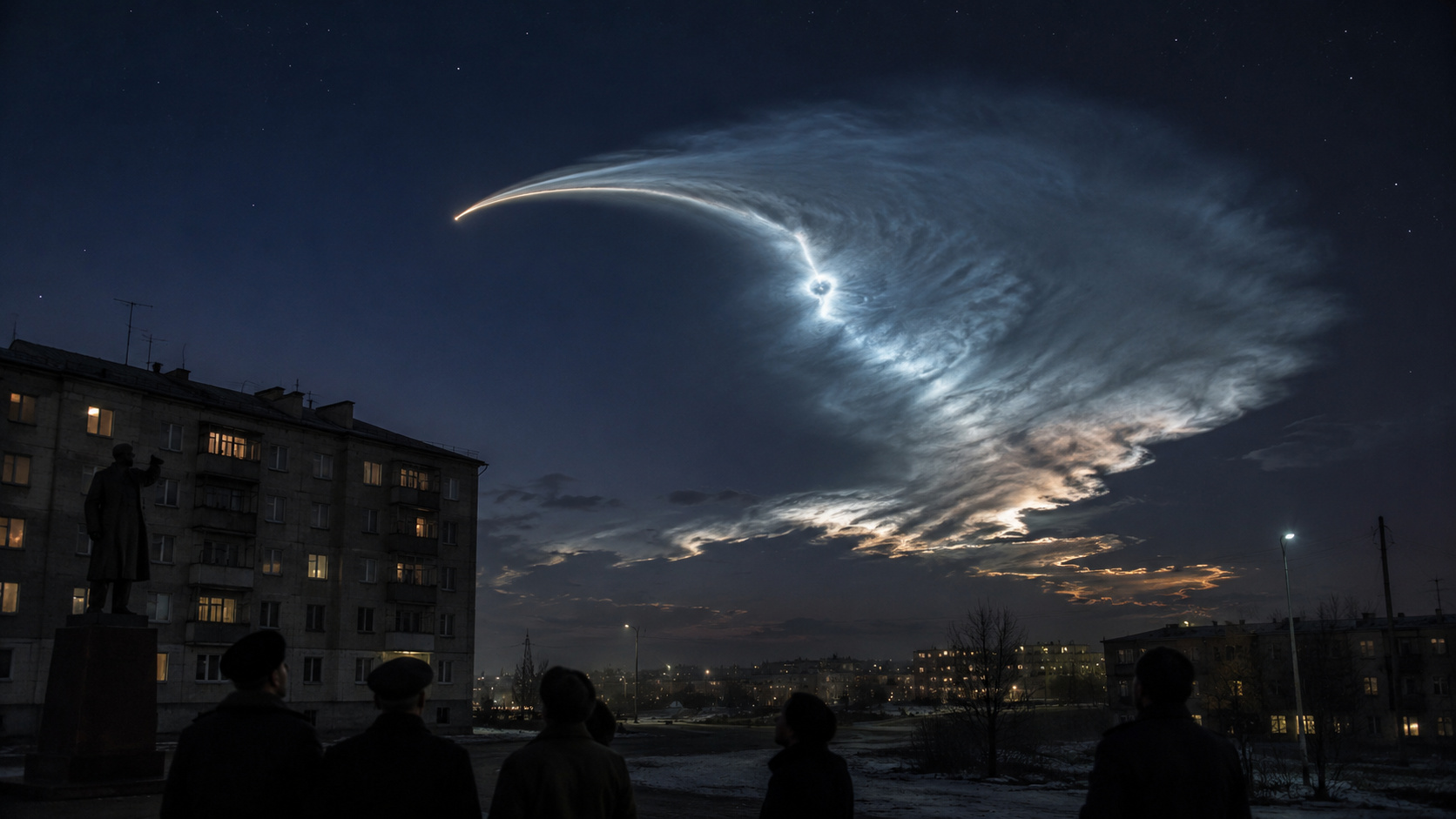
Six times, a luminous crescent the size of the Moon startled the Soviet sky at dusk: it seemed like a wave of UFOs, but it was a secret orbital weapon created to attack the United States via the South Pole and evade Cold War radars.

-
The United States government approved a potential sale of 100 portable Stinger anti-aircraft missiles to the Brazilian Army, in a package estimated at around 330 million dollars that still depends on negotiations between the two countries.


The display of armament signals the capacity to engage naval targets in the short term and aims to deter U.S. approaches.
Exercise in La Orchila and Deployment Numbers
The maneuvers focus on La Orchila Island, a military zone of the Federal Dependencies, approximately 160 to 180 km from the continental coast.
Venezuelan authorities mention three days of exercises with participation from 2,500 military personnel, 12 ships, and 22 aircraft, in addition to naval militia resources.
The government presents the activity as a demonstration of readiness for air defense, electronic warfare, and amphibious operations.
What the Defense Minister Said
During a press conference in Caracas, General Vladimir Padrino López stated that the campaign involves “joint aerospace task forces, special forces, intelligence, and electronic and ground warfare.”
The focus, according to him, is on maritime scenarios near La Orchila, in response to rising tensions following recent incidents involving U.S. assets.
Conflicts at Sea: Approaches and Accusations
The escalation gained a new chapter when Caracas accused an American destroyer of intercepting and occupying a Venezuelan fishing boat in its exclusive economic zone.
According to the government, U.S. military personnel remained aboard the vessel for hours, an episode qualified as “hostile.”
Washington did not detail the case but maintains that its actions are part of operations against drug trafficking.
Venezuelan Fighters and U.S. Destroyer
During the same period, two Venezuelan F-16s performed a low pass near the USS Jason Dunham in international waters, according to the Pentagon.
The maneuver was classified by American authorities as “highly provocative,” leading to public warnings to Caracas.
Deployment of F-35 to Puerto Rico
The United States deployed F-35 fighters to Puerto Rico in the context of anti-narcotics operations.
Images and local reports recorded the arrival of the aircraft, while sources cited the dispatch of ten units to support missions in the region.
The Department of Defense did not detail permanent posture changes but confirmed the intensification of flights.
“Department of War” and Political Signal
On September 5, 2025, President Donald Trump signed an executive order that symbolically restores the designation “Department of War” for the military agency.
The measure does not legally change the official name of the Department of Defense but is viewed as a political and communicational gesture, accompanied by the expansion of operational guidelines against cartels.
Destroyed Boats and Legal Questions
The White House announced attacks against vessels allegedly linked to trafficking in the area of responsibility of Southcom.
On September 2, 11 people died after the destruction of a boat.
On September 15, another attack left three dead.
Later reports indicate at least three vessels destroyed in the month, in actions that also involved Dominican authorities.
Organizations and lawmakers in Washington contest the legality of the use of lethal force without capture and without specific authorization from Congress.
Denial of Regime Change Plan
Despite the military demonstrations and the increased reward for information leading to the capture of Nicolás Maduro to US$ 50 million, Trump declared that he does not seek a “regime change” in Venezuela.
Caracas rejects accusations of involvement in drug trafficking and points to “aggressions” from the U.S. as a risk factor for regional stability.
Official Voices in Caracas
Commenting on the strategic value of the Caribbean for Venezuela, Padrino López said: “We must remember what the Caribbean Sea means to us. By threatening Venezuela, they also threaten the Caribbean and Latin America.”
On another front, leader Diosdado Cabello stated that U.S. movements “have nothing to do with drugs,” but with pressure for regime change, asserting that the country is “ready for a prolonged war.”
Why La Orchila Became the Epicenter
The choice of La Orchila combines symbolic value and geographical position.
The island hosts the Antonio Díaz Naval Air Base and serves as a platform for surveillance and launches for aviation and naval resources.
The proximity to maritime and aerial routes in the northern Caribbean, where the interdictions occurred, helps to explain the emphasis of the exercise on electronic warfare, air defense, and amphibious operations.
As the exchange of signals between Caracas and Washington intensifies with videos of missiles, overflights, and approaches at sea, the risk of miscalculation grows.
If military personnel from both countries come close again at speed and with weapons ready, what incident could serve as a trigger for an escalation that no one claims to want?






-

1 person reacted to this.