






 Portuguese
  Spanish
 3 min of reading
  0 comments


State Government Measure Seeks to Strengthen Tourism and Boost Foreign Consumption in Fluminense Soil
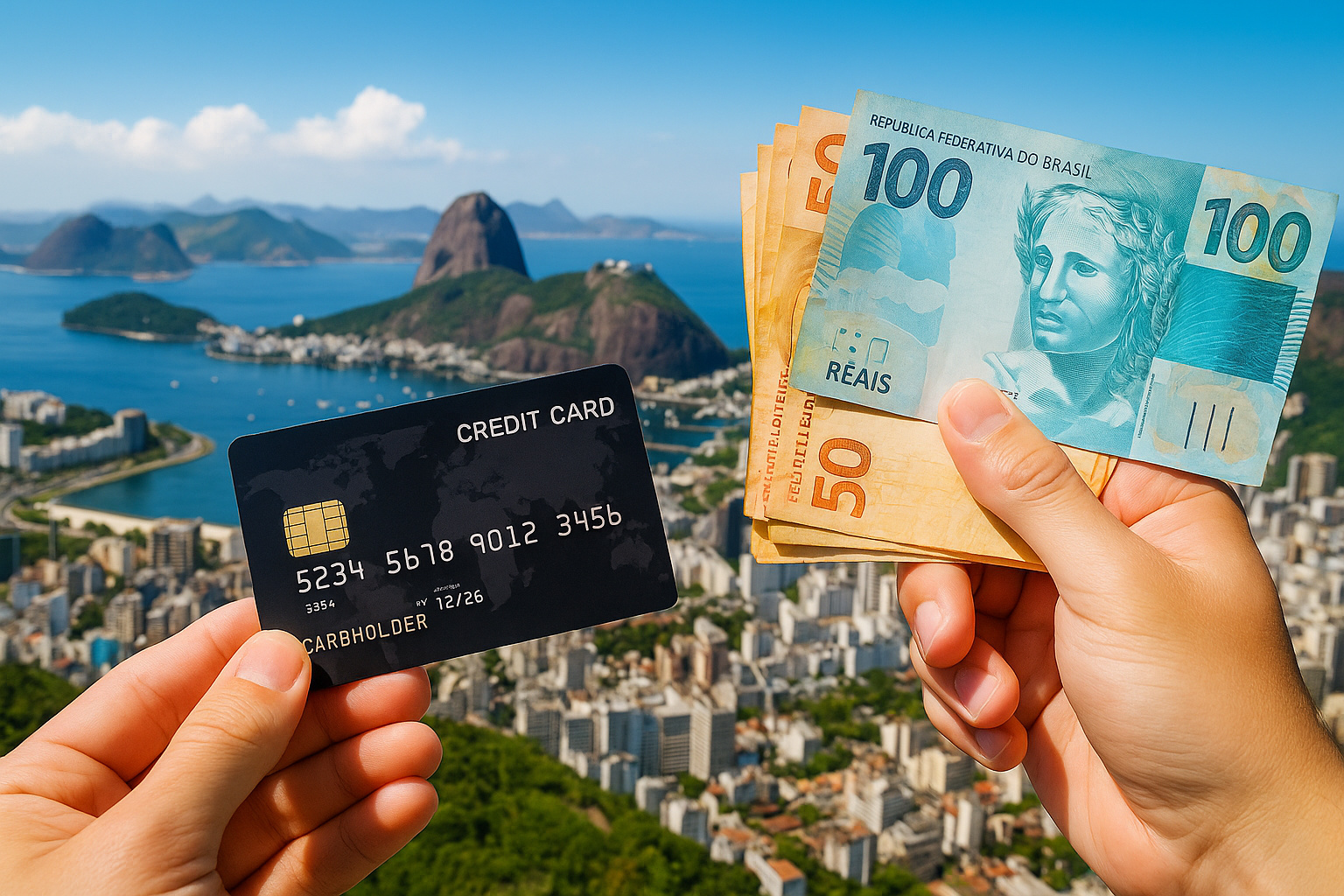
Rio de Janeiro has become the first Brazilian state to regulate the tax-free system aimed at foreign tourists.
Governor Cláudio Castro announced the regulation on September 2, 2025.
It establishes automatic reimbursement of ICMS on purchases made in person at accredited stores.
Each invoice must have a minimum value of R$ 109.26, equivalent to 23 UFIRs.
Even without the officialization of the final decision, the market reinforces the strategic importance of the endeavor for the logistics and e-commerce sector.
The innovation positions Brazil competitively against countries like Argentina and Uruguay, where tax-free is already consolidated.
These countries use the model as a strategy to boost tourism and foreign consumption.
Rules Require Identification and Minimum Purchase
To receive the reimbursement, the tourist must present a valid international document, such as a passport.
For Mercosur visitors, the identity card will be accepted.
-
Going to travel and leave your pet alone? Brazilian city creates strict rule, targets temporary abandonment, and can fine dog and cat owners up to R$10,000.

-
Traffic jammed between BH and Nova Lima may get significant relief with the Viaduto Ferradura, a R$ 48 million project that promises to connect MG-30 and MGC-356 without passing through the Belvedere junction.

-
Rio Pinheiros catches the attention of those passing by the bike path with less strong odor, more capybaras and birds on the banks, a reduction of up to 55% in organic matter, and a record removal of trash in São Paulo.
-
Heavy metals in the sea, fishermen without income, and concerned residents: chemical contamination in São Tomé de Paripe leads Salvador to declare an environmental emergency for 90 days and mobilize municipal agencies.


The buyer will also need to fill out an electronic form generated at the point of sale.
This process ensures speed and reduces bureaucracy, facilitating the use of the benefit.
However, the reimbursement will only be valid for purchases made at stores located in Rio de Janeiro.
These establishments must be in compliance with state tax obligations.
They will also need to adopt the normal ICMS accounting regime.
These rules ensure control and seriousness in the operation of the tax refund program.
Additionally, they promote legal security for the participating tourist and merchant.
Sectors of Clothing, Food, and Electronics Will Be Covered
The decree includes strategic sectors such as clothing, food, beverages, and household appliances.
These are the most sought-after items by tourists during their shopping trips.
The requirement is that the invoice must have the established minimum value.
This prevents refunds on small purchases and facilitates transaction control.
The measure may also increase the length of stay for visitors in Rio de Janeiro.
Cities like Paraty, Búzios, and Petrópolis should benefit directly.
With the incentive, tourists can make more purchases before returning to their home country.
This represents more revenue for the commercial and hotel sectors.
Treasury Department Will Still Regulate Participation
Although the decree has already been published, the program still requires regulation by the Treasury Department. Therefore, this stage will be essential to define the participation criteria.
Furthermore, the department needs to standardize communication with international card operators. These companies, in turn, will be responsible for processing the refunds directly on buyers’ invoices.
Among the required criteria, stores must demonstrate a headquarters in the state of Rio de Janeiro. Additionally, they need to be in compliance with tax obligations and use the normal ICMS regime.
However, micro-enterprises opting for Simples Nacional will not be able to participate in the program. This way, the government increases fiscal control and significantly reduces the risk of fraud.
Measure Brings Brazil Closer to International Practices
With this initiative, the state of Rio aligns itself with successful international models. Moreover, in Argentina, the tax-free system has significantly increased the average consumption ticket of foreigners.
In the same way, Uruguay adopts partial VAT refunds in various sectors. As a result, the measure has notably boosted local commerce and services.
In this context, Rio de Janeiro positions itself as a more competitive destination in international tourism. Therefore, the measure aims to attract visitors and stimulate foreign capital in commerce.
At the same time, the program is already generating positive expectations among merchants. However, they are awaiting the regulation from the Treasury Department for immediate participation in the system.
Therefore, this policy not only modernizes the consumption environment, but also contributes to reposition the state in the global shopping tourism landscape.





-

1 person reacted to this.