Portuguese
  Spanish


Understand how the municipal rule works that punishes guardians for temporary abandonment of dogs and cats on the São Paulo coast.
A new rule in effect in Santos, on the coast of São Paulo, has caught the attention of guardians who usually travel and leave their pets alone at home. The municipal legislation provides for a fine for those who keep a dog or cat without supervision for more than 36 hours, even when water and food are available on the property.
According to released information, the measure was created to combat so-called temporary abandonment and enhance the protection of dogs and cats in a domestic environment.
Without treating the case merely as a momentary absence, the rule considers that the prolonged stay of the animal without supervision can compromise its physical and emotional health. Therefore, the administrative punishment can range from R$ 1,500 to R$ 10,000, depending on the severity of the situation identified by the inspection.
-
Amazonas Updates Flag After Over 40 Years to Represent All 62 Municipalities in Historic Legislative Decision

-
Traffic jammed between BH and Nova Lima may get significant relief with the Viaduto Ferradura, a R$ 48 million project that promises to connect MG-30 and MGC-356 without passing through the Belvedere junction.

-
Rio Pinheiros catches the attention of those passing by the bike path with less strong odor, more capybaras and birds on the banks, a reduction of up to 55% in organic matter, and a record removal of trash in São Paulo.
-
Heavy metals in the sea, fishermen without income, and concerned residents: chemical contamination in São Tomé de Paripe leads Salvador to declare an environmental emergency for 90 days and mobilize municipal agencies.


Learn about the rule that fines guardians in Santos
By establishing a maximum period of 36 hours, the Santos legislation reinforces that caring for pets goes beyond leaving containers with water and food inside the house.
From this rule, guardians who are absent for a prolonged period need to ensure adequate supervision for dogs and cats. After all, animals also depend on hygiene, safety, human presence, and constant monitoring.
The measure was specifically directed at cases where the guardian travels and believes that supplying food is sufficient to avoid any risk. However, according to the municipal rule, this conduct can be characterized as an administrative infraction.
Furthermore, the rule seeks to prevent situations where the animal remains isolated for many hours, without any person responsible for checking its health status, behavior, or the conditions of the environment.
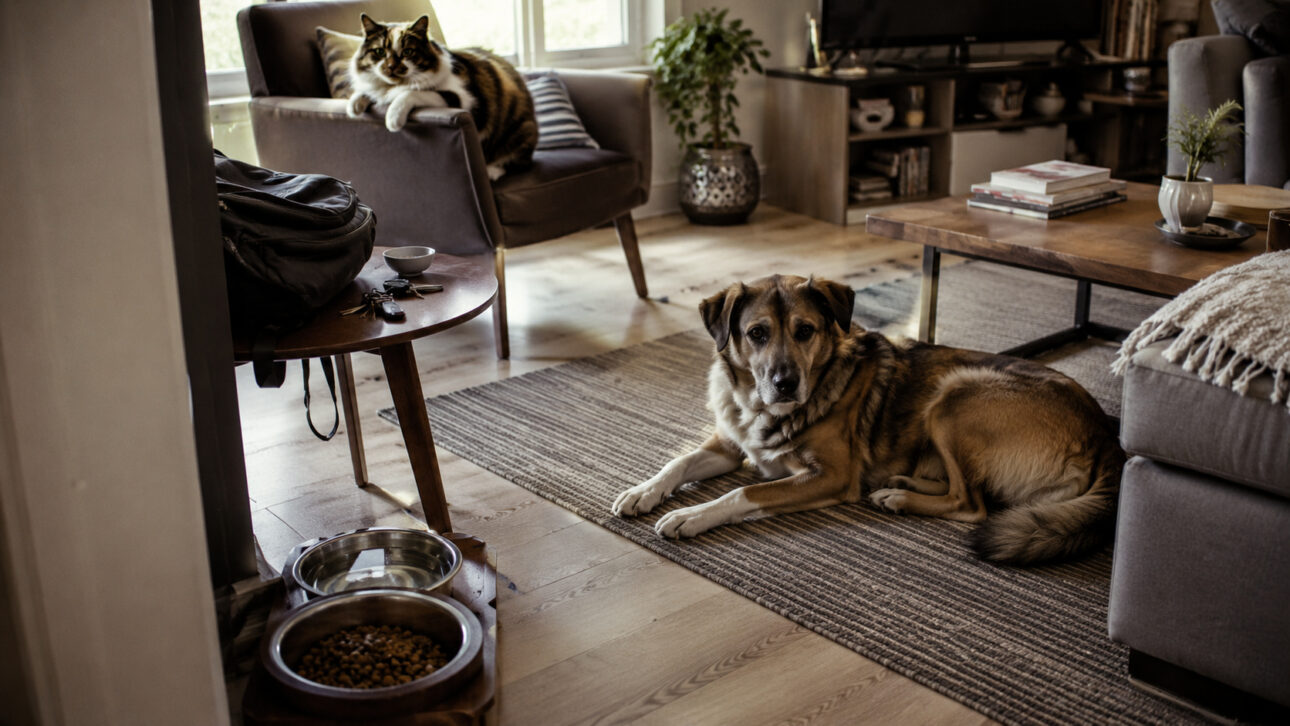
Fine can reach R$ 10,000
The penalties provided by the legislation range from R$ 1,500 to R$ 10,000. The amount depends on the severity of the case and the conditions found by the responsible inspection agents.
In cases of recurrence, the fine may double. Thus, guardians who repeat the behavior are subject to even higher penalties.
Enforcement is the responsibility of the Animal Welfare Coordination of Santos. The work also has the support of the Municipal Environmental Civil Guard, which can act in incidents involving suspected temporary abandonment.
Additionally, residents can report suspicious cases through the municipality’s official channels. Thus, situations where dogs and cats remain alone for more than 36 hours can be assessed by the competent authorities.
Why leaving water and food is not enough
Although many guardians still believe that water and food solve the problem during a short trip, the rule adopts a broader view of animal welfare.
In practice, a pet alone for an extended period may face risks related to lack of cleanliness, domestic accidents, stress, fear, heat, cold, or sudden health problems.
For this reason, the legislation reinforces the guardian’s responsibility during any absence. Before traveling, the owner must ensure that another person accompanies the animal and regularly checks its conditions.
The rule also follows a growing movement to toughen measures against animal abuse and abandonment in Brazil. Still, the cited rule specifically applies to the municipality of Santos.
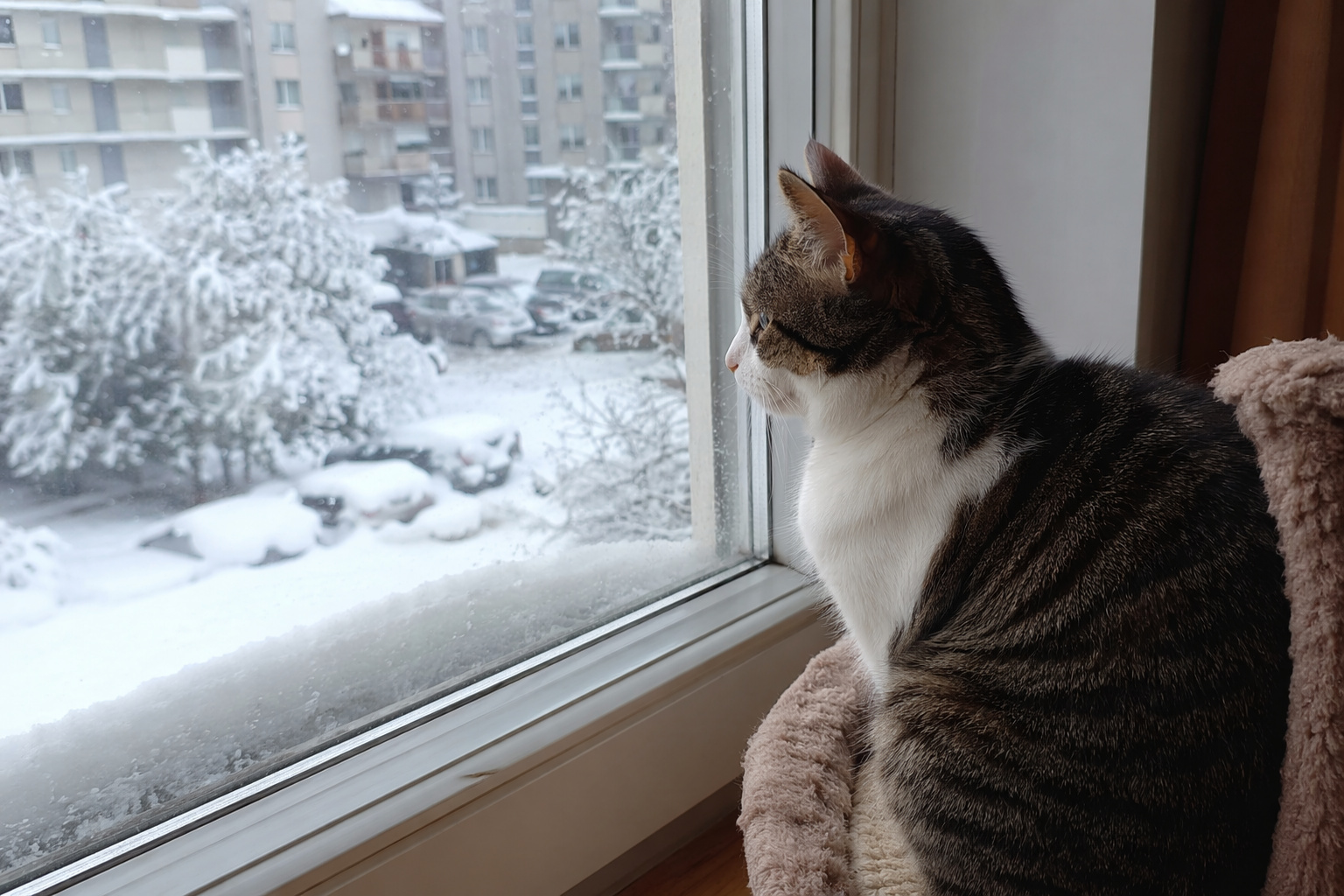
What happens to the money from fines
The amounts collected from the penalties will be allocated to actions and public policies aimed at animal protection.
With this, the municipal administration seeks to transform the punishment into an investment for the sector itself. The proposal is to strengthen initiatives for the care, supervision, and welfare of dogs and cats.
Thus, the rule serves as a warning for guardians who intend to travel and leave pets alone at home. More than a financial charge, the measure reinforces that domestic animals need continuous attention.
Therefore, those living in Santos with a dog or cat should organize before any trip. Otherwise, leaving the pet alone for more than 36 hours may result in a heavy fine and classification as temporary abandonment.