Portuguese
  Spanish




Among Indigenous Roots, Historical Tracks and Rural Traditions, Goiandira Reveals the Strength of a Small Town with Great Value in the Memory of Goiás
In the interior of Goiás, the city of Goiandira holds a rich and full of twists history. With just over 5,000 inhabitants, the municipality is located 266 km from Goiânia and was born amid tracks, woods, and traditions. Behind today’s tranquil daily life, there is a past marked by Indigenous people, mule drivers, and the beginning of the railway in the state. Everything started long before the name Goiandira appeared on the map.
Indigenous Roots and the Occupation of the Territory
Before any road or city, the region was inhabited by the Caiapós. This Indigenous people came from the Araxá region in Minas Gerais and occupied a large part of the Triângulo Mineiro. They lived in harmony with nature, taking advantage of the resources of the land, rivers, and woods.
The scene began to change around the second half of the 17th century, with the arrival of the bandeirantes. They were in search of riches and began to settle in the region. At that time, the area was known as Sesmaria de Campo Limpo, linked to the old Sítio do Catalão.
-
Farewell to Toilet Paper? New Technology Sparks Debate on Bathroom Habits

-
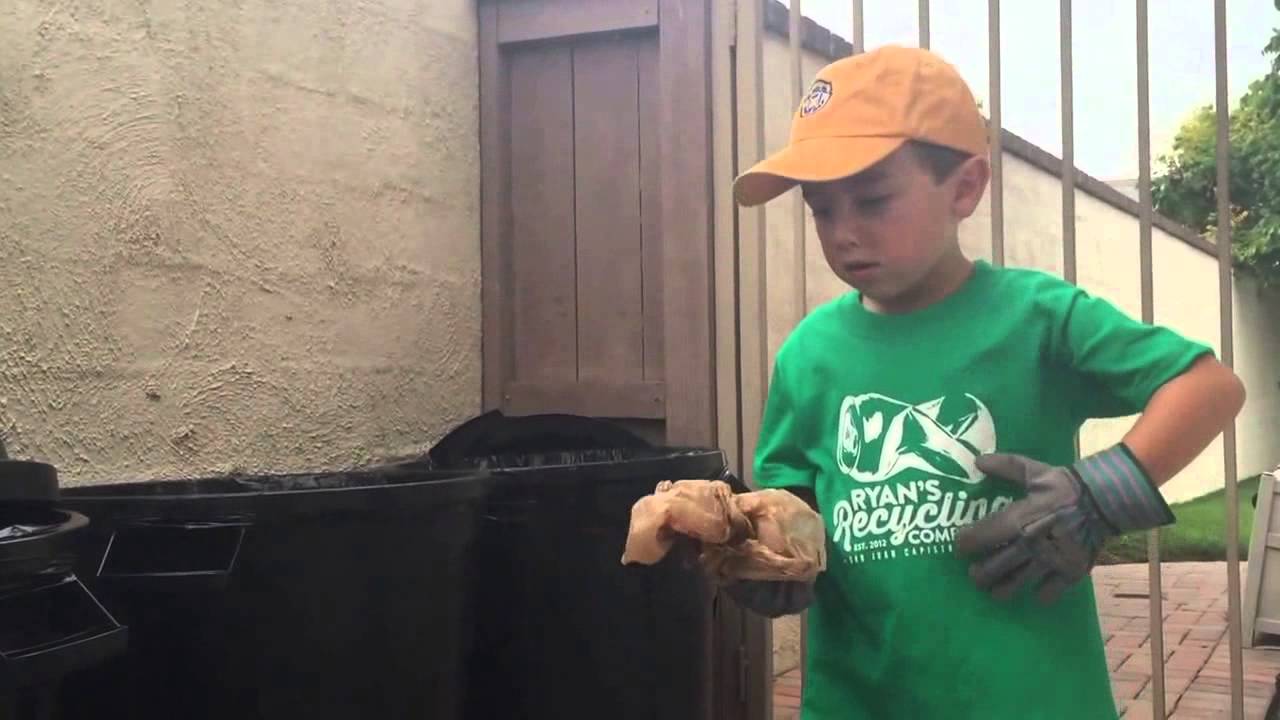
Young Entrepreneur Who Started Recycling Bottles at Age 3 Becomes Environmental Icon in the U.S.

-
Nivea Blue Tin Cream: Popular Post-Beach and Pool, But Pharmacist Warns About Missing Ingredients and Common Summer Mistakes Regarding UVA and UVB Protection.
-
Archaeologists Recover Colossal Structure Lost for Over 1,600 Years Under the Sea, Including 22 Monumental Blocks Weighing Up to 80 Tons, Intriguing Experts.



Later, in the 19th century, the mule drivers, car carriers, and families in search of land to farm and live arrived. One of the important figures of this phase was Tomáz Garcia, who received part of the lands from the Sesmaria and helped in the formation of the future city. The mix of peoples and cultures initiated local growth.
Arrival of the Railway and Birth of the City
The decisive milestone for Goiandira came with the arrival of the tracks. On February 24, 1913, the first railway station in Goiás was inaugurated, located at Fazenda Campo Limpo. The station was named Goiandira, a suggestion from the engineer responsible for the railway.
The railway line was part of the E.F.Goiaz and connected Araguari to Goiandira. Before that, Araguari had already been connected by tracks since 1896, through the Mogiana railway. The stretch to the bridge over the Rio Paranaíba was opened in 1911, marking the beginning of the railway connection between Minas Gerais and Goiás.
The station brought growth. With the movement of people and goods, Goiandira developed. New families arrived, businesses opened, and the local economy gained strength.
On January 25, 1915, Goiandira became a district of Catalão. Shortly after, on May 6, 1931, the place became an independent municipality.
Over time, Goiandira also gave rise to two other municipalities. Cumari split off in 1947, and Nova Aurora in 1953.
Economy and Current Life in Goiandira
Today, Goiandira has about 5,605 residents and is at an altitude of 848 meters. It borders Catalão, Cumari, Nova Aurora, and Ipameri. Despite its small size, it is a town with a strong presence in the history of the state of Goiás.
The basis of the economy is agriculture and livestock. The town stands out in the production of sugarcane, corn, soybeans, cassava, bananas, rice, beans, coffee, and palm hearts. Livestock is also significant, with about 46,000 head of cattle. Poultry and pig production complements rural activity.
In addition, Goiandira has 12 industries and 46 retail stores. The municipality maintains a typical interior lifestyle, with tradition and simplicity.
Culture, Religion and the Tranquility of the Interior
In terms of culture and religion, the city maintains its roots. Catholic faith is predominant, but there is space for other beliefs. Religious festivals and family gatherings are part of local life, reinforcing community ties.
Goiandira is a town marked by calm, by the landscapes of the interior, and by a history that begins with the Caiapós and follows through the railway tracks. Even small, it plays an important role in the memory of Goiás. Its past remains present in the streets, in traditions, and in the way of life of those who live there.
With information from Curta Mais.