






 Portuguese
  Spanish



Meet The Profile Of The Executive Who Became Famous For His Reclusiveness And Frugality, And Understand The Real Scenario Of Elite Philanthropy In Brazil.
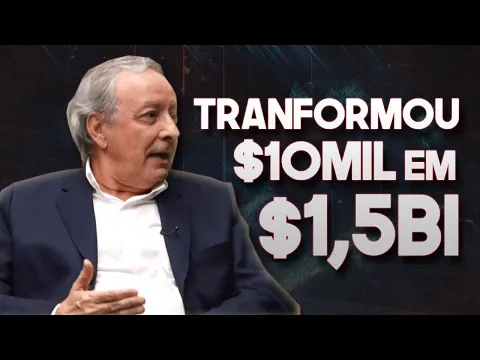
In the Brazilian financial market, investor Luiz Alves Paes de Barros is a legendary figure, known by the nickname “Anonymous Billionaire”. This nickname, however, is not due to secret donations, but rather to his reclusive personality and his method of accumulating wealth away from the limelight. The profile of this investor serves as a starting point to explore the complex reality of elite philanthropy in Brazil: who really donates, why they donate, and what the real challenges for generosity in the country are.
The Profile Of Luiz Alves Paes de Barros, The “Anonymous Billionaire”
The individual behind the nickname “Anonymous Billionaire” is Luiz Alves Paes de Barros (LAPB), born in 1948. Coming from a traditional family in the sugar sector, he witnessed the loss of part of the family fortune, an experience that shaped his markedly frugal lifestyle. His career in the stock market began at the age of 16 and was characterized by discretion.
Paes de Barros’ fortune was built with a disciplined investment philosophy called value investing, which consists of buying assets from good companies during market downturns. His motto is: “I love it when things go bad. When it’s bad, I buy”. His public persona is characterized by extreme frugality, often described as “stingy”, and by a lifestyle devoid of luxuries. His fame, therefore, comes from the disciplined creation of wealth, not from its large-scale distribution.
-
Argentina to Use 2026 World Cup to Pressure Over 13,000 Child Support Debtors, Warns They May Be Banned from Stadiums

-
Man Who Lost Vision Due to Lack of Roads Invests Fortune in Building 59 km Route, Ending 1,300 Years of Isolation in Brazilian Village and Boosting Tourism and Jobs

-
São Paulo Invests Millions in Massive Reservoirs to End Decades of Water Shortages, Providing Relief to Residents

-
Luxury Mansion in Rio with Views of Christ the Redeemer Listed for $25 Million




Where Does The Figure Of R$15 Billion Come From?

Alongside the fame of investors like Paes de Barros, a specific figure has gained prominence in the Brazilian public debate: R$ 15 billion. It is crucial to understand that this number has no connection to the wealth or philanthropy of any individual. The origin of the amount is documented in news about Brazilian public finances, including announcements from the Minister of Finance about cuts in the federal budget and discussions about parliamentary funds.
The True Scenario Of Elite Philanthropy In Brazil
The discussion about large fortunes raises a real and pressing issue: the state of philanthropy among the wealthiest in Brazil. The analysis reveals a landscape of deep contrasts.
There is a significant gap between the donation capacity of the Brazilian elite and the actual practice. Studies indicate that the potential for donations in the country is at least R$ 28 billion annually, but the total volume allocated to philanthropy hovers around R$ 4.8 billion. Amidst this scenario, pioneers emerge who seek to transform the culture of giving. Elie Horn, founder of Cyrela, was the first Brazilian to join The Giving Pledge, publicly committing to donate 60% of his fortune during his lifetime to inspire others.
The COVID-19 pandemic also acted as a catalyst, provoking an unprecedented wave of generosity. In a short period, more than R$ 5.6 billion in donations were mobilized to combat the effects of the crisis, leading many traditionally publicity-averse families and businesspeople to announce their contributions.
The Structural Barriers To Donation In The Country
The effectiveness of philanthropy in Brazil is shaped by structural factors, which include culture and, mainly, the tax system. The culture of giving in Brazil is marked by a more reactive and emotional generosity than by long-term planning.
The greatest barrier, however, is the legal and fiscal framework. The current system imposes rigid limits and offers few benefits. For individuals, the incentives in the Income Tax are restricted. Perhaps the most critical point is the absence of any incentives in the Inheritance and Donation Tax (ITCMD) for donations or legacies left in a will to civil society organizations. This is a fundamental difference compared to countries like the United States, where tax deductions on inheritances are one of the main drivers of large-scale philanthropy.


-

1 person reacted to this.