






 Portuguese
  Spanish


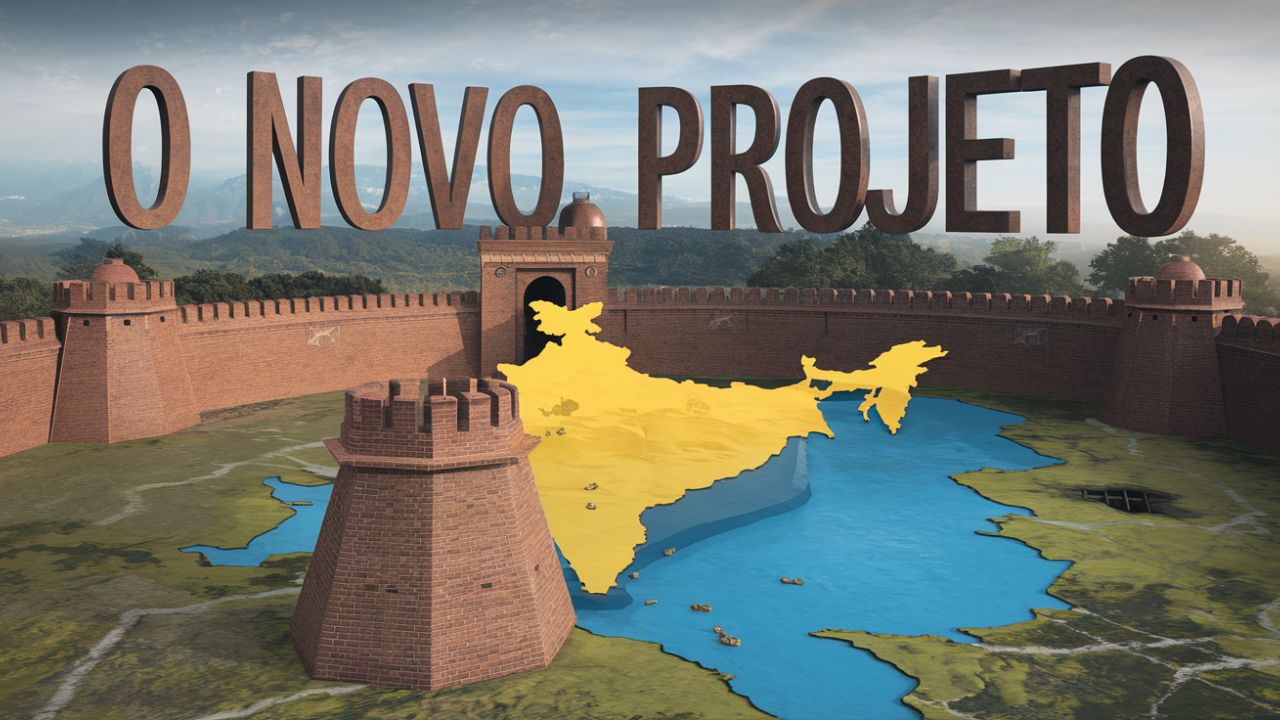


A monumental construction of more than three kilometers in length, designed to store 264 billion gallons of water and irrigate 700,000 acres, promises to transform the economy and energy future of India by 2027.
India is building a colossal project that promises to change the lives of millions: the Polavaram Project. With an investment of US$6.14 billion, the dam, located on the Godavari River in Andhra Pradesh, is a symbol of the country’s commitment to its infrastructure. But what makes this construction so special? Let’s explore the fascinating details of this historic endeavor.
The Origin of a Dream: The Polavaram Project
Imagine a plan so visionary that it began in 1941 and spanned decades until it was resumed with full force in 2023. This is the story of the Polavaram Project, designed to tackle water management, irrigation, and energy generation challenges in India. With over three kilometers in length, the dam will have the capacity to store an incredible 264 billion gallons of water, ensuring water stability for a vast region.
It’s not just a dam; it’s a game changer – literally and figuratively. Since its conception, the primary goal was to irrigate over 700,000 acres of farmland, providing a reliable supply of water and energy to drive local development.
-
U.S. City Builds Tiny Home Village on Water Company Land to House 136 Homeless People: Inside the Social Housing Units

-
Woman Turns Shipping Container into Home, Embraces Rural Life to Cut Monthly Expenses to Just Over $330
-
France Revamps 530 Social Housing Units with Large Balconies and Glass Facades Without Demolishing Existing Buildings

-
Facing high rent, couple transforms parents’ garage into a fully functional apartment, creating a complete home at a fraction of the market cost.




The Impact of the Construction: Benefits for Millions

Have you ever thought about the impact of a dam of this size? For farmers, it means fertile land and abundant harvests. For local communities, it is clean and accessible energy. And for the economy, an unprecedented boost.
With two main channels, 181.86 km and 173.81 km long, the dam will distribute 132,000 gallons of water per second, allowing irrigation in two seasons. Furthermore, 12 Kaplan turbines will convert the water flow into sustainable electricity, illuminating thousands of homes and industries.
And there’s more: the surrounding area will be revitalized with tourism, turning the Papikondalu National Park into a must-visit destination, creating jobs and boosting the local economy.
Innovations in Engineering: The Technology Behind the Dam
Have you heard of a diaphragm wall? This innovative technology is the heart of the Polavaram Project. Buried 59 meters below the riverbed, it is the first of its kind in India, designed to prevent leaks and strengthen the structure.
In addition, the reservoir will feature advanced water movement systems capable of moving 37 million gallons per second. To achieve this feat, the construction involves state-of-the-art trench cutters, introducing a new era of engineering in the country.
Challenges and Obstacles: The Long Journey to Fulfillment
Not everything has been easy on this journey. The project has faced delays since its conception in 1941. After India’s independence in 1947, funding was redirected to more urgent needs. Decades later, environmental concerns and interstate disputes over water use continued to delay progress.
Only in 2023 did construction gain momentum, with significant financial injection. Now, the expectation is that the dam will be completed by 2027, marking the end of a long wait and the beginning of a new era for India.
The Legacy of the Construction
The Polavaram Project is not just a dam; it is a symbol of resilience, innovation, and hope. It promises to transform the lives of millions, ensuring water security, clean energy, and economic opportunities for the region.
Looking to the future, we can see a stronger India, where sustainable development and innovation go hand in hand. The giant wall of US$6.14 billion is more than concrete and water – it is a testament to human potential to build a better future.









Titanic
É a Índia que há anos vem se revelando ao mundo que está muito além de apenas ser o país que cultua vacas como animais sagrados! Aliás, todo tipo de **** é sagrado!
O título da matéria é um ótimo exemplo de que ASSASSINARAM A GRAMÁTICA. Murro não é represa ou barragem “está surgindo surgindo a três quilômetros ” de onde?