Portuguese
  Spanish



Guarantee Your Electricity Bill Discount in Mato Grosso do Sul with a Free Solar Energy Program Without Installation of Panels.
In Brazil, the search for alternatives to reduce electricity expenses has been growing among households and businesses. Furthermore, the continuous increase in energy tariffs, combined with the need for more sustainable solutions, has led several states to invest in programs that promote energy efficiency and access to clean energy.
In Mato Grosso do Sul, therefore, a recent initiative drew attention for offering a discounted electricity bill at no cost to the consumer, bringing access to solar energy closer to the population.
Historically, electricity in Brazil has faced infrastructure challenges and high costs. Since the 1950s, when the electrification of the country expanded to urban and rural areas, access to energy remained limited and expensive.
-
Solar energy can increase property value by up to 10% and become a selling point.

-
Solar and wind energy surpass natural gas for the first time in the world and accelerate energy revolution

-
Africa has about 500,000 cell towers and most still burn diesel to operate, while companies rush to cover antennas with solar energy and avoid signal blackouts.
-
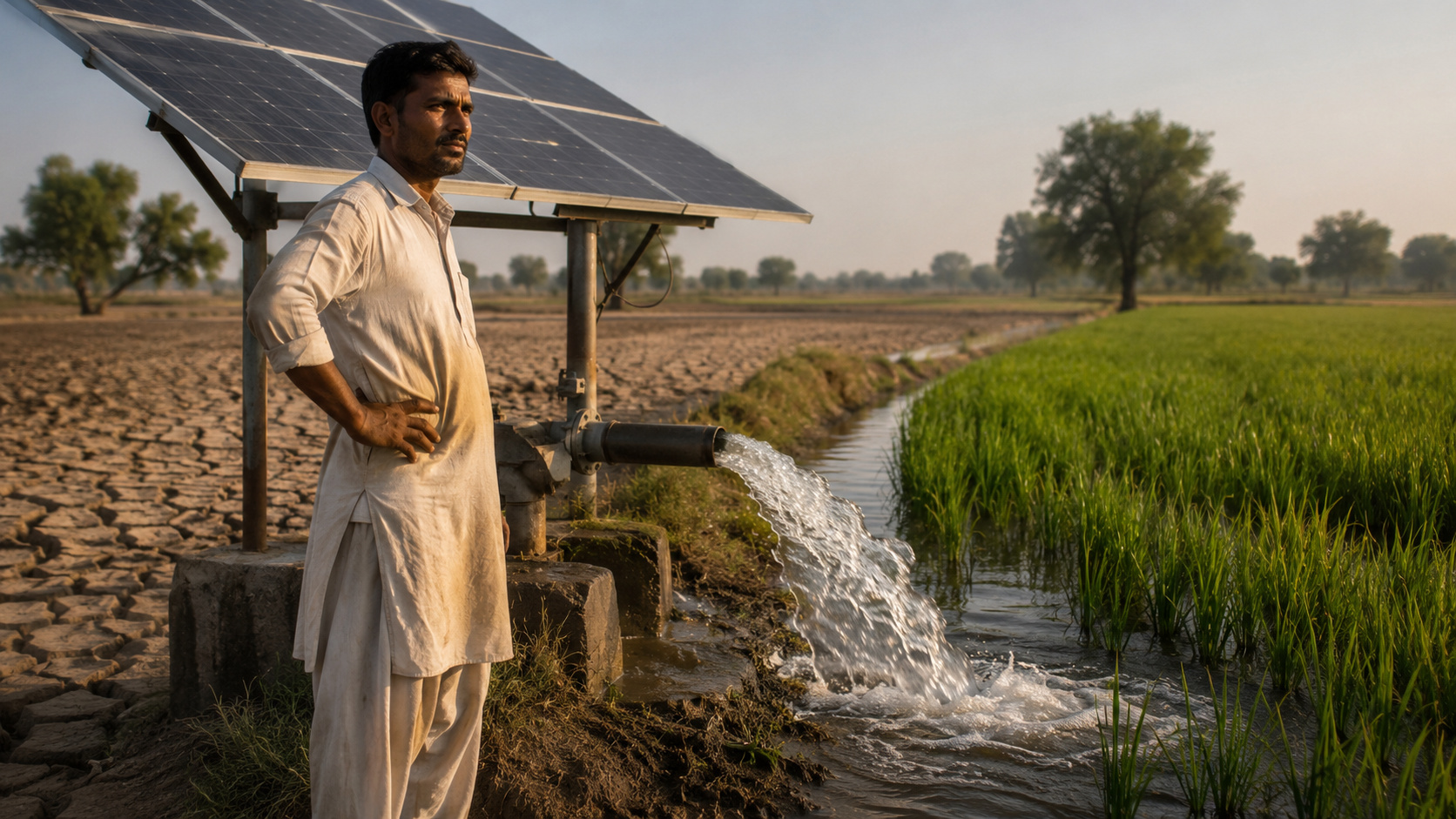
Farmers swapped diesel for solar panels in Pakistan, powered irrigation pumps almost cost-free, expanded rice fields, and now groundwater has become a red alert in the countryside.


Over the years, however, the diversification of energy sources has become evident. Therefore, renewable energy incentive programs have emerged as alternatives to reduce dependence on fossil fuels and lessen environmental impact, while also providing savings on electricity bills.
Moreover, recent initiatives reflect a shift in social awareness regarding the importance of sustainability. Currently, consumers are not only looking to reduce expenses; they are also demonstrating an increasing concern for environmental impact.
Consequently, the introduction of programs that offer a discounted electricity bill without requiring complex initial investments represents a significant change in how people access and value renewable energy.
Program Em Conta: Savings and Access to Solar Energy
The program “Em Conta – Renewable Energy Association”, launched in Mato Grosso do Sul, represents a significant advancement in this context. Unlike traditional models for joining solar energy, the program does not require consumers to install solar panels at their homes, nor carry out construction or change equipment.
Additionally, FIEMS (Federation of Industries of Mato Grosso do Sul), through CSI (Center for Industry Sustainability), coordinates the initiative, which guarantees up to 20% discount on the electricity bill for participants.
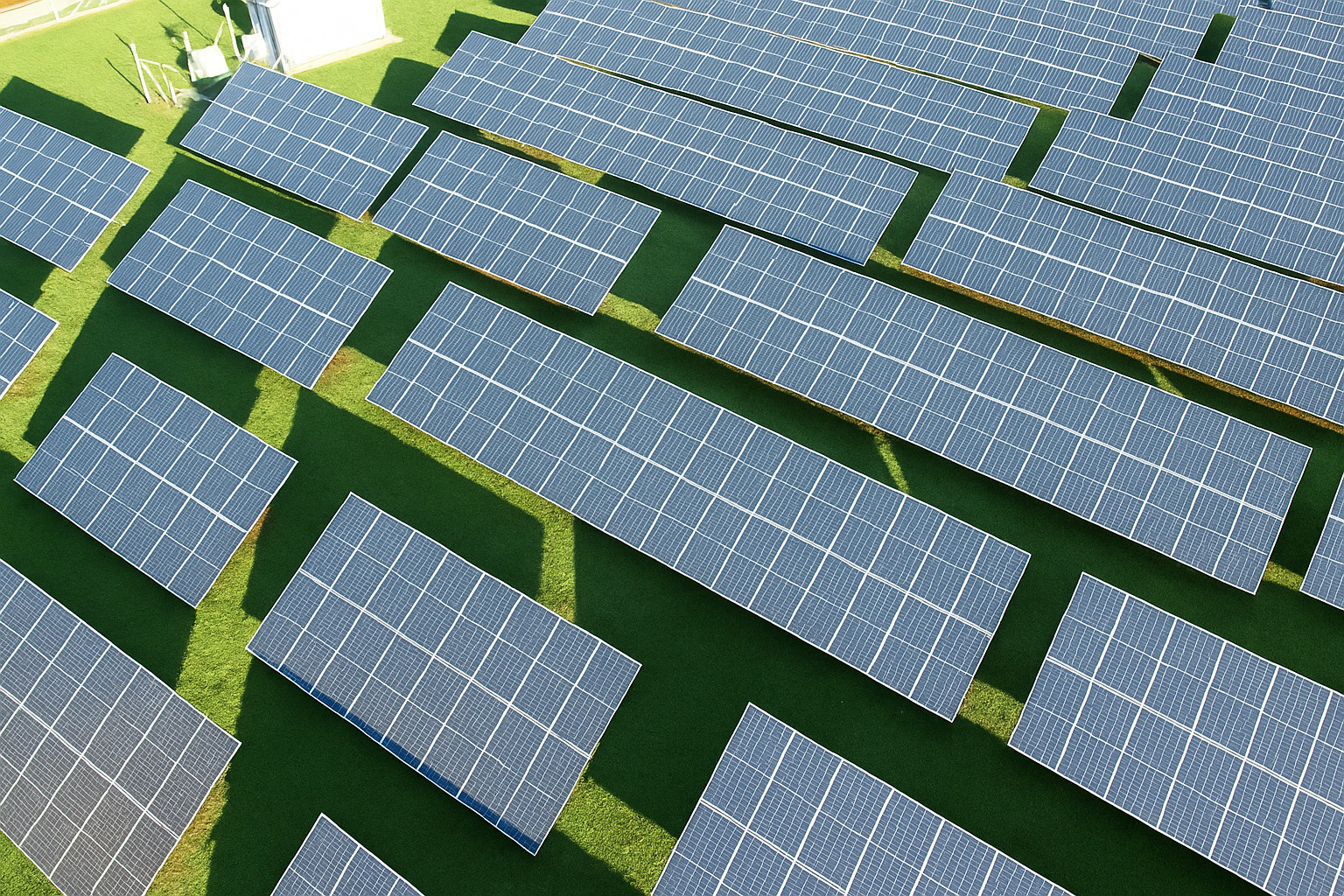
The program operates simply and innovatively. In this way, homes receive solar energy generated in photovoltaic plants owned by FIEMS and its associates.
Thus, beneficiaries will have two electricity bills: one conventional, from the utility company Energisa, which includes taxes and mandatory fees, and another corresponding to energy consumption with the discount applied by the Em Conta program.
Consequently, this structure allows consumers to save without facing the complexity of installing and maintaining their own solar energy generation systems.
In addition to the direct economic impact, the program expands access to clean energy in Brazil. With over 250 plants in operation, FIEMS and its associates provide energy to about 18,500 households, a number equivalent to three neighborhoods in Moreninhas, in Campo Grande.
In this way, collective energy generation solutions can achieve large scale, benefiting many families and promoting environmental sustainability.
Another important aspect, therefore, is the strengthening of the culture of conscious consumption. By participating in the program, beneficiaries gain a better understanding of how the electric sector works, the impacts of conventional energy, and the benefits of renewable generation.
Thus, the learning contributes to more informed decisions about consumption and efficiency, as well as stimulating habit changes that generate additional savings.
Solar Energy in Brazil and Internationally
The concept of solar energy as a low-cost alternative has solidified globally in recent decades. In the 1970s, during the oil crisis, countries invested in alternative energy sources, recognizing the need to reduce dependence on fossil fuels.
In Brazil, this trend gained momentum in the early 21st century when public policies encouraged the installation of residential and industrial solar panels. However, adoption still faced barriers such as high initial costs and technical complexity.
Programs like Em Conta evolved in this scenario. Thus, they democratize access to discounted electricity bills, offering benefits to consumers who would otherwise not be able to invest in their own solar energy systems.
Furthermore, the absence of a fidelity requirement and the presence of specialists who accompany the transition make the process even more attractive, especially for families looking to save without compromising daily convenience.
Additionally, the program creates opportunities for learning and innovation. For instance, schools, universities, and small businesses observe the collective generation model and understand how to integrate solar energy into the local economy.
Thus, this perspective broadens the social impact of the initiative, transforming mere cost reduction into a sustainable development agent.
Economic and Environmental Impact
The program also generates local economic impact. By investing in renewable energy through community plants, it strengthens local businesses and industrial associations.
Thus, large-scale energy generation allows the discount to be offered without detriment to investors, creating a sustainable shared economy model. Additionally, initiatives like this can inspire similar public policies in other regions of the country. Consequently, they expand access to solar energy and promote energy efficiency on a large scale.
The environmental effect deserves attention. Solar energy emits no pollutants and does not contribute to the greenhouse effect.
By replacing part of the energy generated by fossil fuels, the program helps to reduce the carbon footprint of benefitted households, aligning financial savings with environmental responsibility. Therefore, this dual benefit reinforces the importance of initiatives that combine technology, sustainability, and social inclusion.
Access and Democratization of Clean Energy
Joining the program is simple and accessible. Consequently, residential consumers across Mato Grosso do Sul, with electricity bills starting at R$ 250 per month, can participate.
This includes families from different social classes, broadening the democratization of access to renewable energy. Thus, the initiative shows that it is possible to reconcile household savings with sustainability, without requiring high investments or structural changes in homes.
In historical context, the development of large-scale solar energy projects marks Brazil’s energy transition. From the first photovoltaic systems introduced in isolated communities to programs like Em Conta, the country has significantly advanced in offering sustainable and accessible solutions.
Thus, the current model combines modern technology with efficient management, allowing more families to have discounted electricity bills and contribute to a greener future.
Additionally, the initiative reinforces the importance of partnerships between the private sector, industrial associations, and consumers. FIEMS and CSI demonstrate how entities committed to sustainability can create practical solutions, generating positive impact across multiple dimensions: economic, social, and environmental.
At the same time, programs like this strengthen the perception that renewable energy is not just an environmental issue, but also a concrete opportunity for cost reduction and increased energy efficiency.
Another indirect benefit of the initiative is the encouragement of job creation related to the maintenance of plants and program management. Therefore, specialized professionals in renewable energy find working opportunities, contributing to the local economy and strengthening the clean energy sector in the state.
Thus, the initiative in Mato Grosso do Sul serves as an example for other regions of Brazil. It reinforces the idea that clean and accessible energy can be a reality for all, regardless of social class or geographic location.