






 Portuguese
  Spanish
  3 min of reading
  1 comment


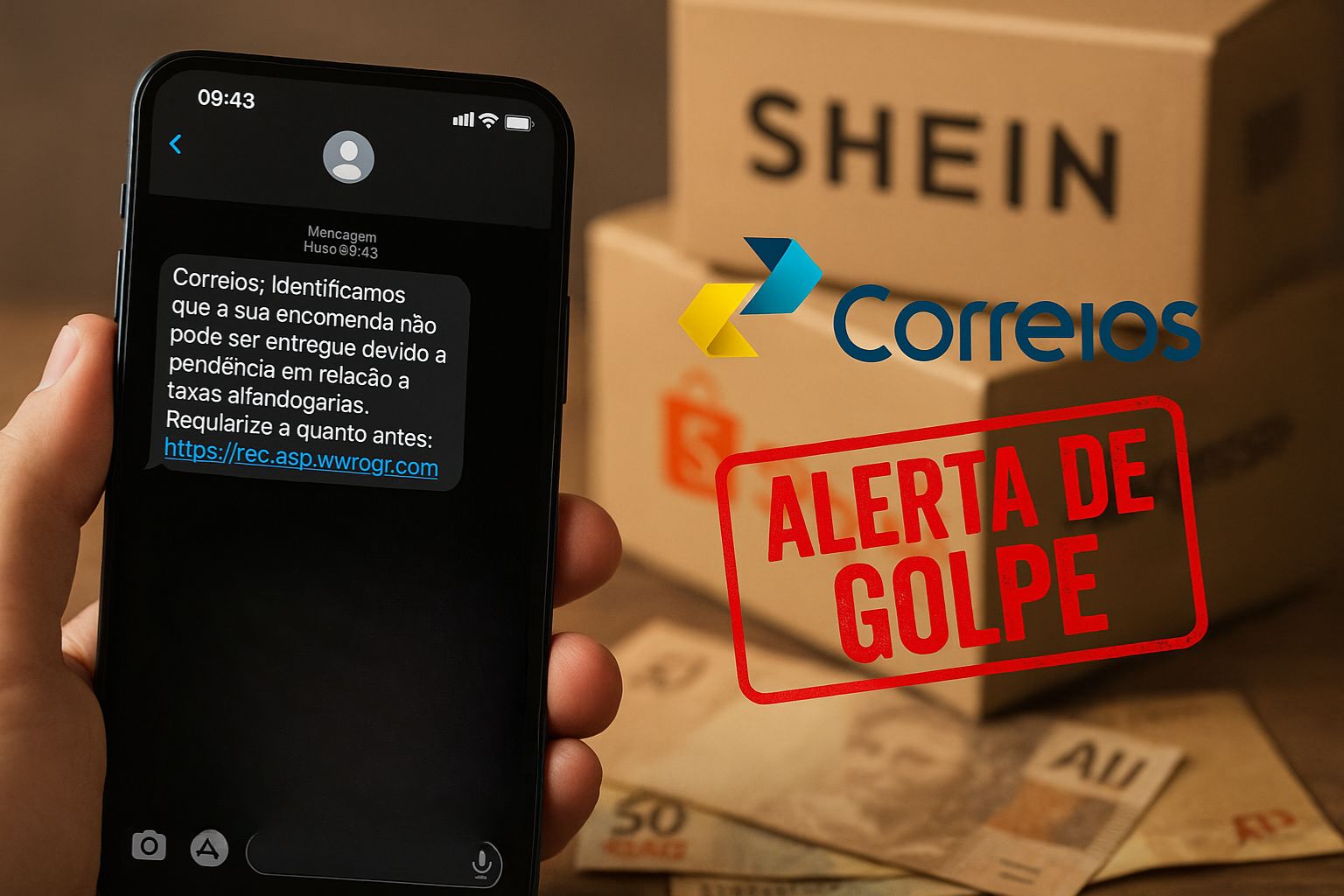


With Increase In International Purchases, Post Office Warns Brazilians About Scams Simulating Import Taxes On Platforms Like Shein, Shopee, And AliExpress, Requesting Fake Payments Of Up To R$ 57.65.
The Post Office issued an urgent statement for Brazilian consumers shopping on international websites like Shein, AliExpress, and Shopee. According to the state-owned company, criminals are executing an increasingly sophisticated scam, sending fake messages that simulate charges for import taxes. The scammers use emails or WhatsApp messages with a legitimate appearance, including logos and personal data, to convince victims that their order is “held” and will only be released upon payment.
How The Scam Is Applied
The scheme follows a well-planned script:
- The consumer receives an email or message titled “Your Package Is Stuck In Our Distribution Center”.
- The text informs that the package has been blocked at customs and demands the payment of a fee, usually R$ 57.65, for release.
- By clicking the provided link, the customer is redirected to fake websites, such as “consultancomenda.com”, that mimic official Post Office pages.
The problem goes beyond the charge: those who provide data on these sites end up giving away sensitive information — such as CPF, address, and credit card number — which can be used in other scams.
-
Brazilian Joins Homeownership Consortium, Faces Decade of Dual Payments Totaling $141,000, Surpassing Traditional Mortgage

-
Land Rover to Halt Production in July, Putting 371 Jobs at Risk, as Chinese Automaker Negotiates to Convert Factory to 100,000 Vehicles Annually by 2027

-
Mexican Pest Threatens U.S. Cattle Herds at Historic Lows, Potentially Boosting Brazilian Beef Exports as Burger Prices Soar

-
Brazilian Freight Bill Progresses in Congress with $5,000 Minimum Wage, 70% Advance Payment, and Fines Up to $1 Million, as Agriculture and Industry Warn of Rising Costs and Legal Uncertainty




Phishing: A Fraud That Adapts To The Moment
The technique used is the famous “phishing,” in which criminals create fake pages to steal personal information.
Although it is an old method, it remains effective because it adapts to current situations.
With the boom in international purchases, criminals found fertile ground to deceive consumers eager for their orders.
What The Post Office Says
In a statement, the Post Office emphasized that they do not send payment requests via external links.
Any legitimate import tax can only be paid within the Minhas Importações system, on the official website or app of the Post Office.
Additionally:
- Real messages always come from the domain @correios.com.br.
- Notifications about pending taxes can come via SMS, letter, or directly in the official tracking.
- Purchases made on platforms participating in the Remessa Conforme program from Receita Federal already have taxes collected at the time of purchase, with no additional charges upon delivery.
Tips To Avoid Falling For The Scam
To protect themselves, the Post Office recommends extra attention:
- Verify The Sender: Be suspicious of emails that do not end in @correios.com.br;
- Do Not Click On Strange Links: Check tracking only on the official website or the state-owned app;
- Beware Of Urgent Messages: Scams use pressure phrases like “pay now” or “last chance”;
- Keep Antivirus Active: Security systems help block malicious sites and attachments;
- Report Frauds: Mark suspicious messages as spam or phishing to reduce their circulation.

Where To Seek Secure Information
Consumers with questions should contact the Post Office through official channels:
- Central Contact Us
- Phone 3003-0100 (capitals and metropolitan regions)
- Phone 0800 725 7282 (other locations)
All logistical information about imports is also available on the company’s official website.
Why These Scams Increased In Brazil
The rise in popularity of platforms like Shopee, AliExpress, and Shein has created an intense flow of international orders.
This scenario, coupled with consumer anxiety to receive their orders, provides opportunities for criminals to exploit false charges.
Cybersecurity experts warn that similar scams are expected to increase in frequency, precisely because they take advantage of buyers’ haste and ignorance.
Information As The Best Defense
The state-owned company highlights that the best weapon against these scams is information.
Before making any unexpected payments, it is essential to verify the legitimacy of the charge.
The guidance is simple: always check the official channels of the Post Office and ignore links received via unverified emails or messages.
With this care, consumers can avoid financial losses and prevent their personal data from falling into the hands of digital criminals.





Já recebi essas mensagens no whatsapp umas 3 x ,com meu nome, endereço e documento colado numa caixa e a foto sempre a mesma, e antes de pagar eu pesquisei sobre essas taxas e dizia q taxas são cobradas na hora da compra e não após.