






 Portuguese
  Spanish


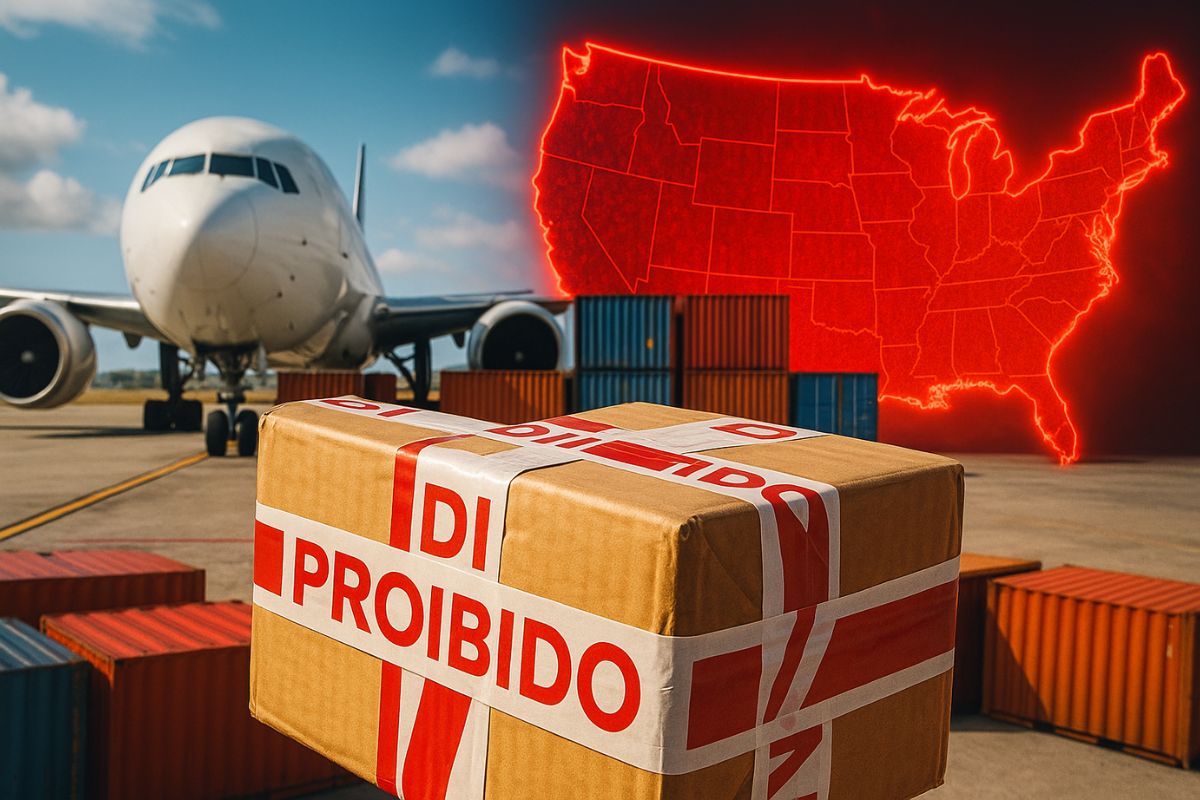


Post Offices in Various Countries Suspend Deliveries to the USA Amid Doubts Over New ‘Blouse Tax’. Postal Services from South Korea, Singapore, Germany, Belgium, Australia, Norway, and Finland Have Already Halted Shipments Due to Uncertainty Over the New Rules Imposed by the USA.
The post offices in various countries are suspending deliveries to the USA starting this week, citing uncertainties about how to apply the new U.S. tariff policy, dubbed the “blouse tax.” The Trump administration’s decision to eliminate the de minimis exemption — which allowed up to 4 million low-value packages to enter daily without tariff charges — has caused confusion among postal operators, consumers, and e-commerce companies worldwide, according to Bloomberg.
Starting August 29, packages sent via international mail will be subject to tariffs and additional customs requirements. This measure has already led postal services from countries such as South Korea, Singapore, Germany, Belgium, Australia, Norway, and Finland to suspend shipments, at least temporarily, to the United States.
What Changes with the End of the De Minimis Exemption?
Until now, U.S. policy allowed low-value packages to reach the USA with minimal bureaucracy and no tariff payment, favoring the growth of platforms like Shein, Temu, and other international marketplaces. With the end of the exemption, packages valued up to US$ 800 will be taxed, following criteria set by Customs and Border Protection (CBP).
-
Brazil’s 2026 Tax Refund: Record 9.58 Million Filers in Largest Payout Ever, But a Key Detail on Priority Recipients Draws Nationwide Attention

-
Itaú Alters Hybrid Work Model, Increasing Office Days from 2028, Prompting Employees to Adjust to New Routine
-
Facing Labor Shortage, Japan Plans to Invest $34 Million to Attract Foreign Workers in Construction, Healthcare, Industry, and Commerce

-
Brazilian City Makes Remarkable Leap, Becomes 4th Wealthiest in the Country with GDP of R$ 134.1 Billion




There will still be an exemption for gifts valued up to US$ 100, but regular purchases made on foreign websites will be affected. The U.S. government justifies the measure as a way to protect local industry and curb the misuse of the rule to import illegal drugs.
Which Countries Have Already Suspended Shipments?
In Asia, Korea Post announced it will stop accepting air parcels and some express services to the USA, retaining only premium services operated by private carriers. SingPost from Singapore also suspended standard shipments, maintaining only high-cost options.
In Europe, postal services from Norway, Finland, Germany, Belgium, and Austria have already announced halts or partial suspensions. Royal Mail from the United Kingdom stated that it is also expected to temporarily halt commercial shipments until it adjusts its systems.
In Oceania, Australia Post confirmed the suspension of certain international transit services to the USA.
Impact on E-commerce and Global Logistics
The blockage of shipments concerns not just consumers, but also e-commerce platforms and logistics companies. Sites like Etsy have already announced they will suspend their shipping label issuance services for certain countries, recommending that sellers use private carriers like FedEx or UPS, which continue to operate.
Experts highlight that the U.S. decision may create a cascade effect, with more countries suspending shipments until the rules become clear. Uncertainty could increase costs for consumers and hinder access to low-value products that previously arrived quickly and tariff-free.
The decision to eliminate the de minimis exemption in the USA is already causing ripples in global trade, keeping consumers and retailers on alert. For many, the measure represents a barrier to accessing inexpensive products and the competitiveness of foreign platforms.
And you, what do you think of the decision? Is the USA merely protecting its economy or creating a global logistics problem? Leave your opinion in the comments.









Normal,se o brasil pode cobrar as taxas e ninguem fala nada,a mais é pq é os EUA ai nao pode ,a vai se lascar …
Tanto povos colonizadores europeus e veio o mais pobre da Europa,vivemos uma primatalismo cruel aonde somente o rico e o justo e pobre e culpado,em 7 meses TRUMP fez que o imperialismo mundial tremesse e espero profundamente que 1939 volte e faça a terra fica de joelhos novamente
Bom é aqui, pagamos muitos e altos impostos, não temos retorno de nada, o dinheiro entra e some. Os EUA estão anos luz na frente do Brasil e tem gente aqui achando que sabe mais que os caras. EUA é a maior economia do mundo.