Portuguese
  Spanish



Essential Metal For Batteries And Planes Is Dominated By Two Powers And Exposes The Challenge For Brazil To Enter The New Green Economy
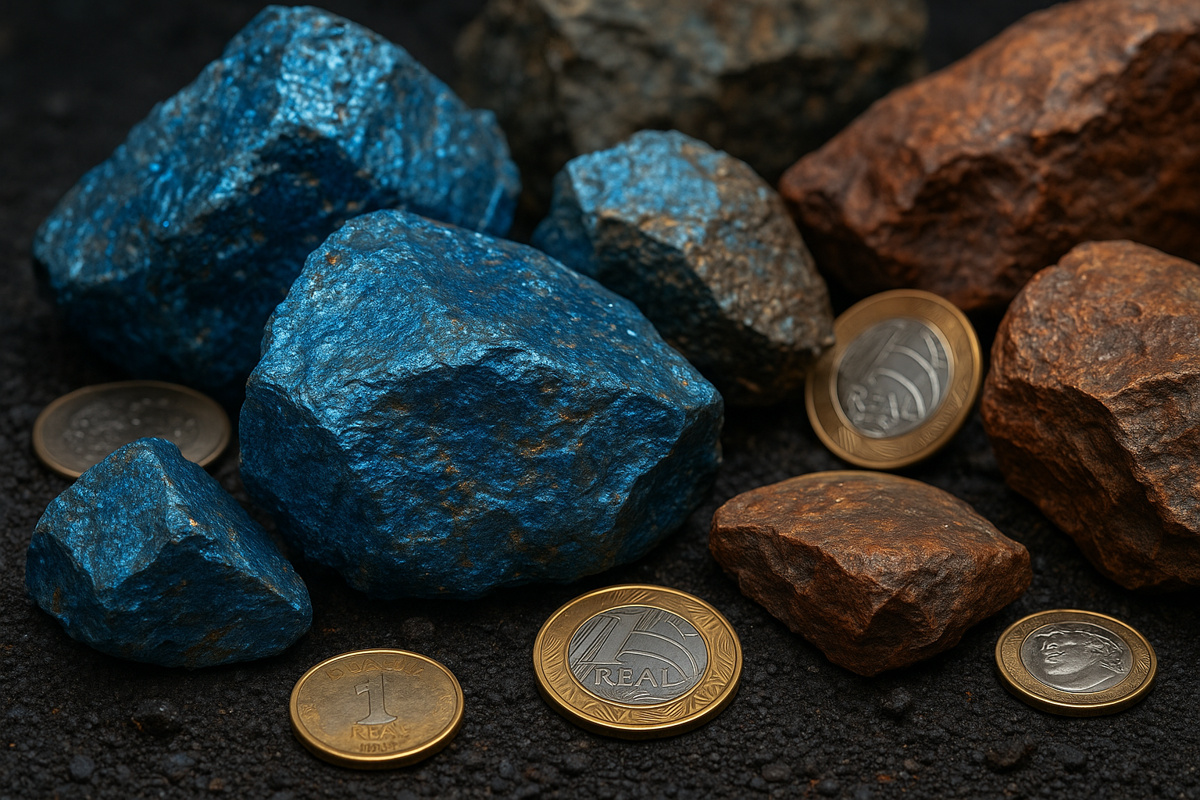
The cobalt, a key piece in the global energy transition, has become the new battleground between China and Democratic Republic of Congo (DRC). Used in electric vehicle batteries, cell phones, metallic superalloys, and military aircraft, the metal sets the course for the technological revolution that promises to change the planet.
In 2024, according to data from the Cobalt Institute, the DRC accounted for over 70% of global production, while China concentrated 80% of the refining. This dependence between developing countries and industrial powers reignites debates over sovereignty, ethics, and energy security.
Western companies — many based in the United States and Europe — continue to rely on material extracted under precarious conditions in Africa and refined under Chinese control.
-
U.S. Dismisses Brazilian Foreign Ministry’s Military Risk Warning as “Absurd,” Cites Brazilian Criminal Gangs Operating in the U.S. Since May 2026

-
Ukraine War Impacts Brazilian Fuel Supply: Russian Diesel Imports Drop 65% in June, Brazil Turns to US and India Amid Market Concerns

-
Chinese Nuclear Submarine Launches Simulated Warhead Missile in Pacific, Heightening Regional Tensions Amid Naval Drills with Russia Near Qingdao; New Zealand and Papua New Guinea Warn of Persistent Chinese Military Presence
-
Ayatollah Ali Khamenei’s Funeral Draws 15 to 20 Million in Tehran, Calls for Revenge Against Trump After Joint Israel-U.S. Attack



Geopolitical Concentration And Ethical Dilemmas
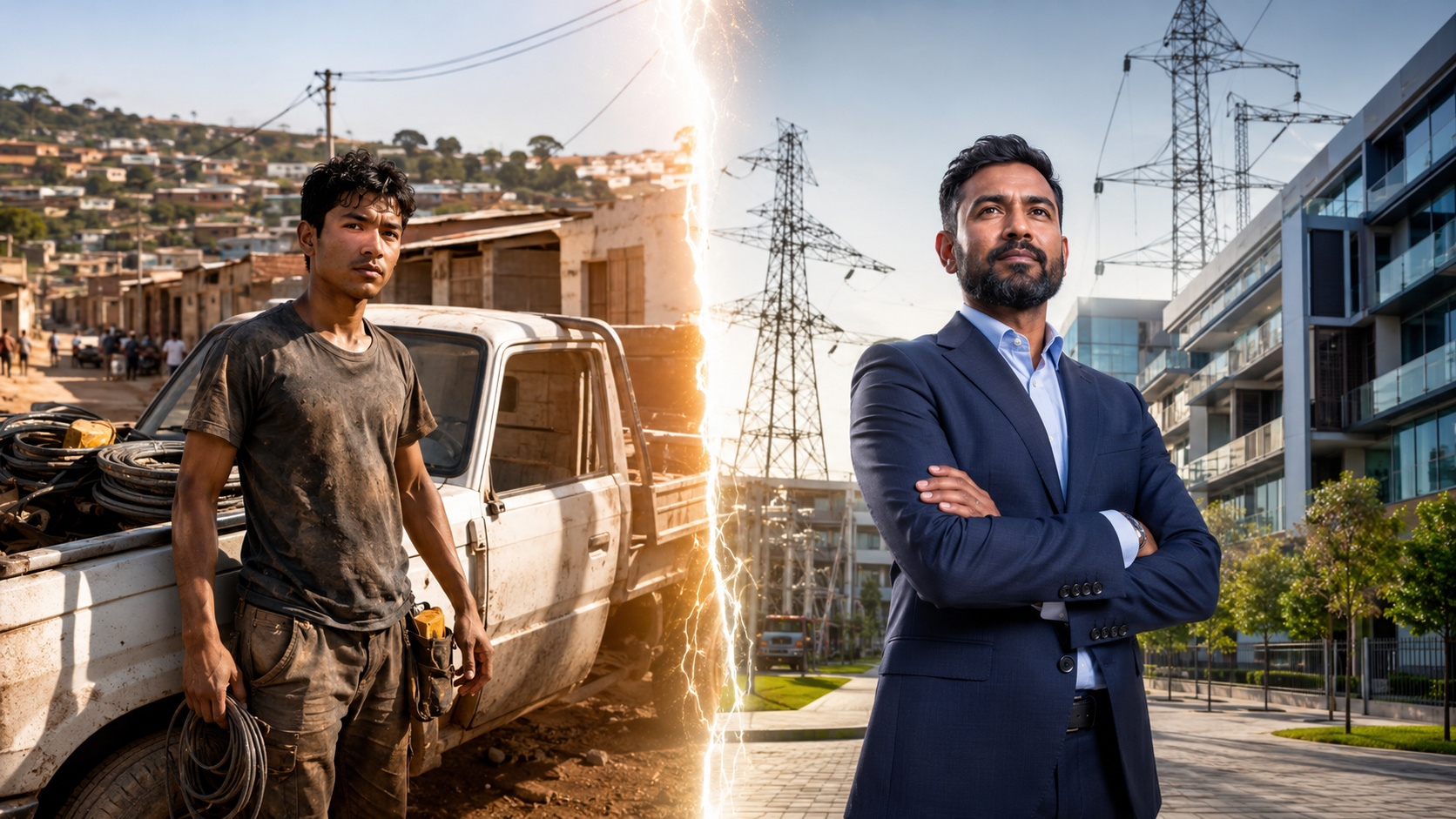
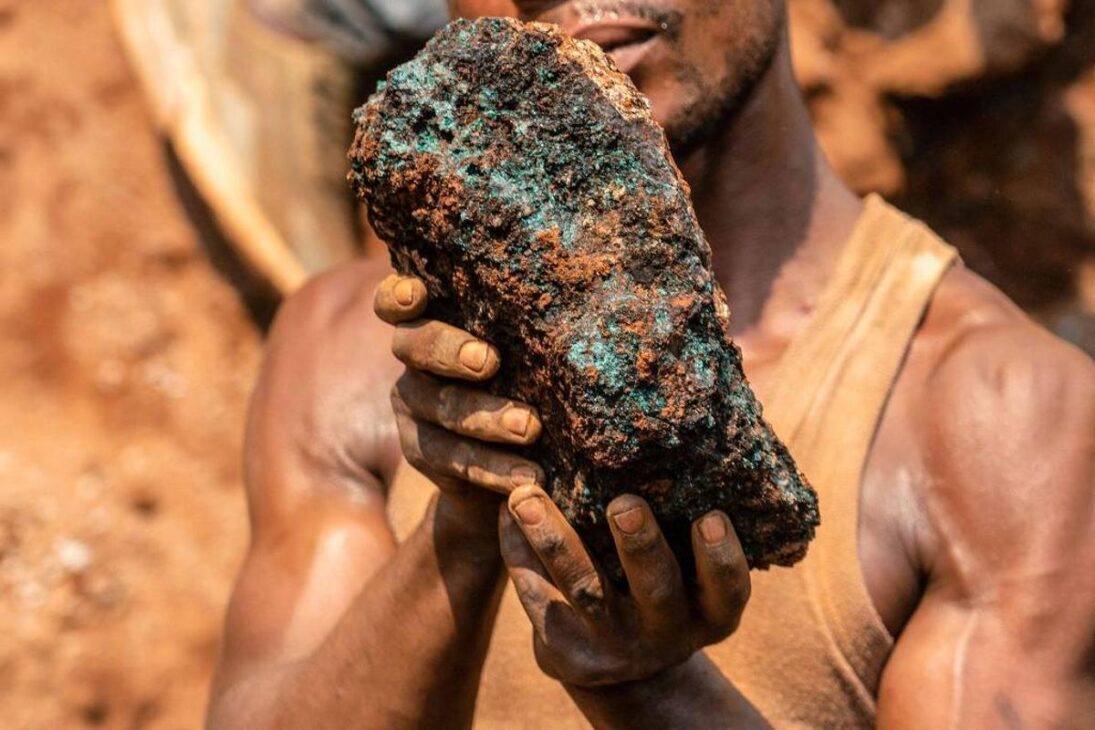
Most of the cobalt comes from the Congolese provinces of Katanga and Lualaba, regions exploited since the colonial period. According to reports from 2023 and 2024 by Amnesty International and the UN, there are indications of child labor, exploitation of local communities, and human rights violations in dozens of mines.
Experts warn that while the world rushes to reduce carbon emissions, the foundation of this transition remains marked by deep social contradictions. Furthermore, China has expanded its dominance over the sector by heavily investing in refineries, increasing its influence in global supply chains.
As a result, major technology manufacturers — such as Apple, Tesla, and Samsung — continue to rely on a system that combines humanitarian risk and logistical vulnerability.
The Giants That Set The Pace For Global Production
Among the market leaders in cobalt are Glencore (Switzerland), CMOC, and Huayou Cobalt (China), as well as ERG (Kazakhstan), CNGR (China), Umicore (Belgium), and GEM (China). Together, these companies control virtually all industrial extraction and refining of the metal.
Finland, the second-largest refiner in the world, holds about 7% of global capacity, far behind China, which also imports large volumes from the Congo for internal processing. According to experts, this scenario gives Beijing an unmatched strategic power, influencing everything from battery costs to international electric vehicle prices.
Brazil Tries To Regain Space In The Cobalt Chain
In Brazil, there are still no cobalt mines in operation. Although the metal is present in areas associated with nickel and copper, it is treated only as a byproduct. Anglo American, for example, has already considered using ore tailings to extract the material, but with no practical advancements until 2025.
Currently, two projects stand out: the Horizonte Minerals project in Pará and the Brazilian Nickel project in Piauí. Both aim to start the joint production of nickel and cobalt in the coming years. However, Horizonte is undergoing judicial recovery, delaying any immediate operation.
In the refining sector, Australian Jervois is trying to reactivate the São Miguel Paulista (SP) refinery, deactivated by Votorantim Metais in 2016. The project, estimated at US$ 22.5 million, aims to begin activities in 2027, producing 10,000 tons of nickel and 2,000 tons of cobalt per year.
This reopening represents an opportunity for Brazil to recover part of the industrial chain and diversify its mineral matrix, albeit timidly.
A Small Metal With Global Power
More than just a simple input, cobalt is today a symbol of new industrial and environmental disputes. As demand for electric batteries and clean energy grows, the metal becomes even more valuable and contested.
However, dependence on a few producing and refining countries highlights a structural imbalance that threatens global security. Governments and companies debate how to reconcile economic growth, environmental sustainability, and social responsibility in a chain that concentrates power and inequality.
The challenge, therefore, is global: Is it possible to ensure that cobalt, a pillar of the green revolution, is extracted and refined in an ethical, sustainable, and transparent manner?
What do you think: should the world reduce dependency on China and the Congo by investing in new hubs like Brazil, or accept the current centralization as an inevitable part of the energy transition?