






 Portuguese
  Spanish
  3 min of reading


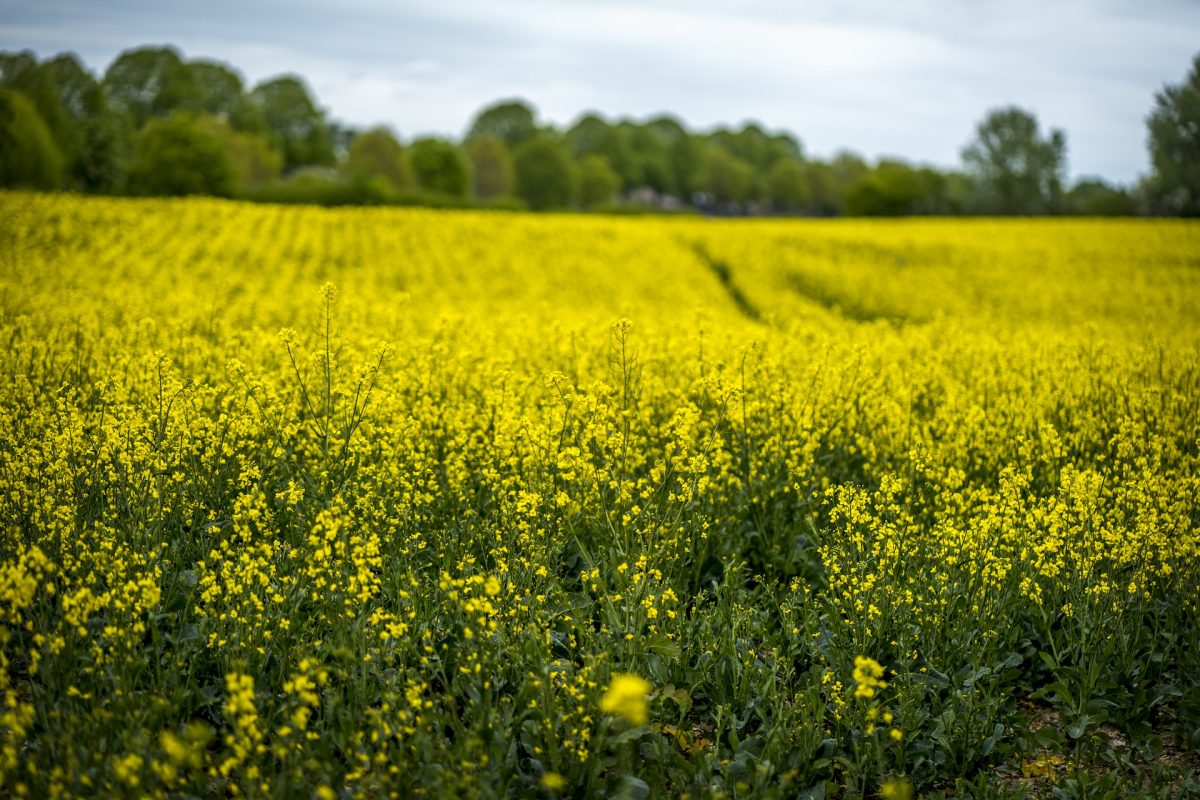
In a Move to Expand the Availability of Raw Materials for the Growing Domestic Renewable Fuels Market, Corteva, Bunge, and Chevron Announced Their Collaboration.
This initiative aims to produce winter canola hybrids that generate vegetable oil with a reduced carbon footprint. The focus of this alliance is to introduce environmentally friendly options to the market. Corteva’s winter canola hybrids have been confirmed by the companies as adaptable to a double cropping system, succeeding soy or cotton.
The upcoming closing of a deal between Bunge Chevron Ag Renewables, a joint venture of Chevron and Bunge, and the farmers marks a significant development. The agreement involves the purchase of canola grown at the site, with the intention of using its oil for renewable fuel production.
The three companies also stated that the planned introduction of canola, a winter crop in the southern United States, would create new income opportunities for farmers in sustainable rotations, adding that they expect to run a pilot program during the harvest for the 2022/2023 season.
-
Brazilian scientists are simultaneously advancing two research projects on clean hydrogen and driving solutions that could transform the energy matrix, enhance industrial competitiveness, and accelerate large-scale emission reduction targets.

-
Advancement in renewable energy: A R$ 150 million project launched by Petrobras and Finep aims to create state-of-the-art electrolyzers for green hydrogen, strengthening national research and preparing Brazil to compete in a billion-dollar energy market.
-
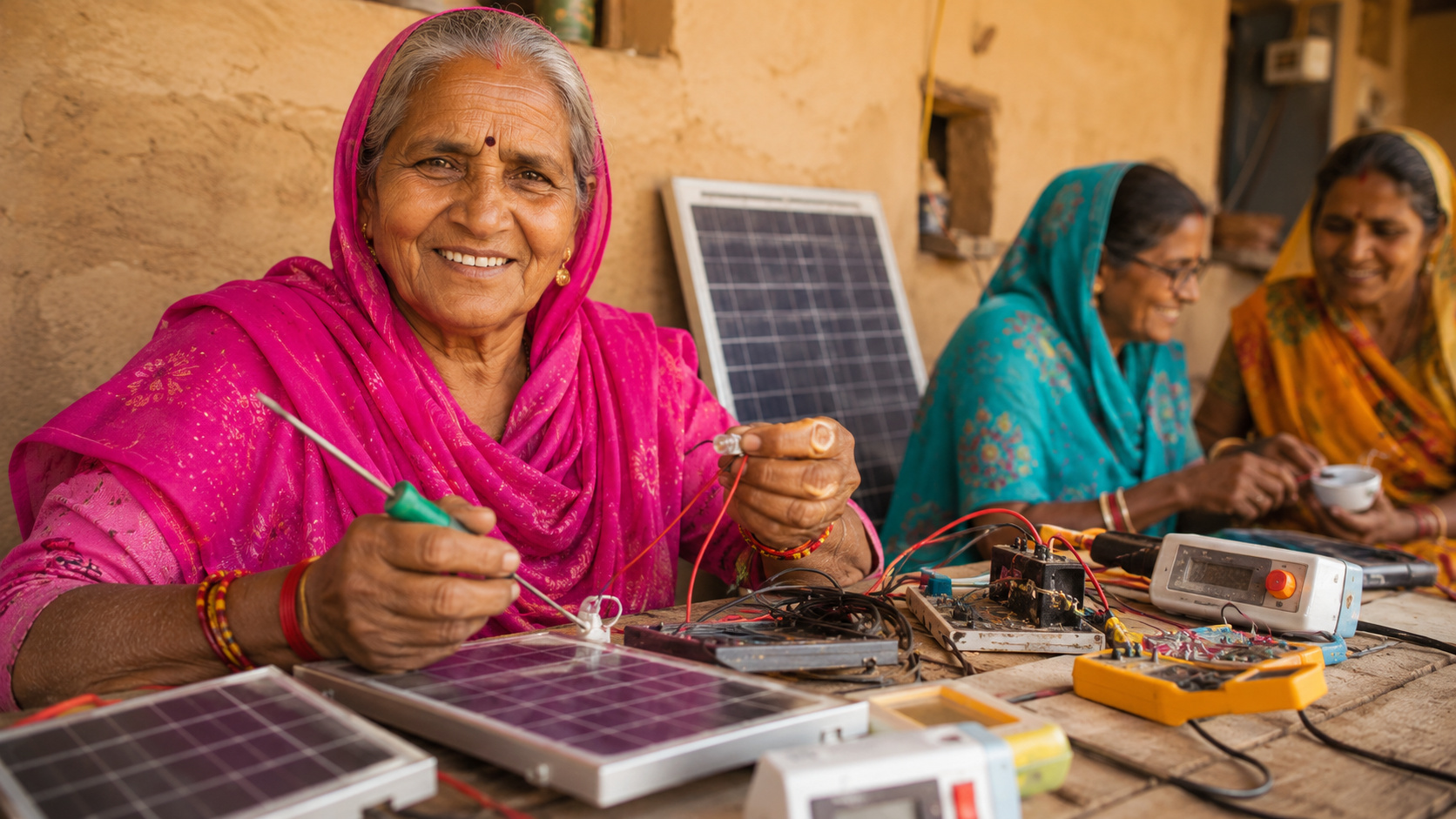
Illiterate or semi-literate grandmothers were trained to repair solar systems, open rural workshops, and light up homes that still depended on kerosene.
-
US$ 7 billion, green hydrogen, and steel with up to 95% less CO₂: the first green steel plant on the planet emerges in Sweden and targets Brazil as the next chapter




Brazil Will Increase Use of Renewable Fuel
On March 17, the government will announce an increase in the blend of biodiesel and diesel sold at gas stations. Currently, the content is 10% (it reached 13%). The government is expected to announce a schedule to gradually increase the blend to 15% by March 2024. This means that drivers and companies using diesel will have a fuel that emits fewer pollutants, which is good news.
Given the increasing presence of biodiesel in everyone’s daily life, it would be useful to learn more about this biofuel. It is a product that goes far beyond alternative renewable fuels, surprising many.
Learn More About Biodiesel
Biodiesel is a biofuel obtained through the conversion of vegetable oil extracted from oilseeds, such as soy, palm, and sunflower, or animal fats, such as those from cattle, pigs, and birds. After a purification process to meet quality specifications, it can be used in diesel cycle engines as a partial or total substitute for mineral diesel (known as Diesel A).
Biodiesel is clean and produced in Brazil. It is a Brazilian invention, invented by chemical engineer Expedito Parente. Scientific tests conducted by the federal government, Brazilian researchers and scientists, and the private sector concluded that biodiesel is of high quality and can be blended with mineral diesel, even at proportions exceeding 15%. In other countries, blends of 20% to 30% have been used. In Brazil, companies are even testing equipment powered by 100% biodiesel.
The production of biodiesel adds value to soy, vegetable oils, and animal fats, creates jobs, income, investments, and growth in both rural and urban centers – and licensed factories are also required to purchase raw materials from family farming. Its use is a way to reduce greenhouse gas emissions and improve air quality.





Be the first to react!