






 Portuguese
  Spanish




The Secretary of Agriculture of the State of São Paulo announced last Sunday an emergency credit line, financing for rural farmers and fishermen affected by the rains on the north coasts.
The financing for farmers is granted by the São Paulo Agribusiness Expansion Fund (FEAP), and will offer up to R$ 50,000, with 72 months for repayment and a grace period of 24 months. Governor Tarcísio de Freitas (Republicans) highlighted in his Twitter post that the assistance will reach all those who were affected by the rain.
However, farmers and fishermen interested in benefiting from the emergency credit line will have to register through the Agriculture House or the regional poles of the Secretariat. “We are working to ensure that producers and fishermen who suffered losses can rely on even more opportunities and resources for the maintenance and recovery of agricultural or fishing production,” said the governor.
The measure aims to open space for productive activities in the region and stimulate the local economy. It will also serve as support for families that have been affected by the recent storms.
-
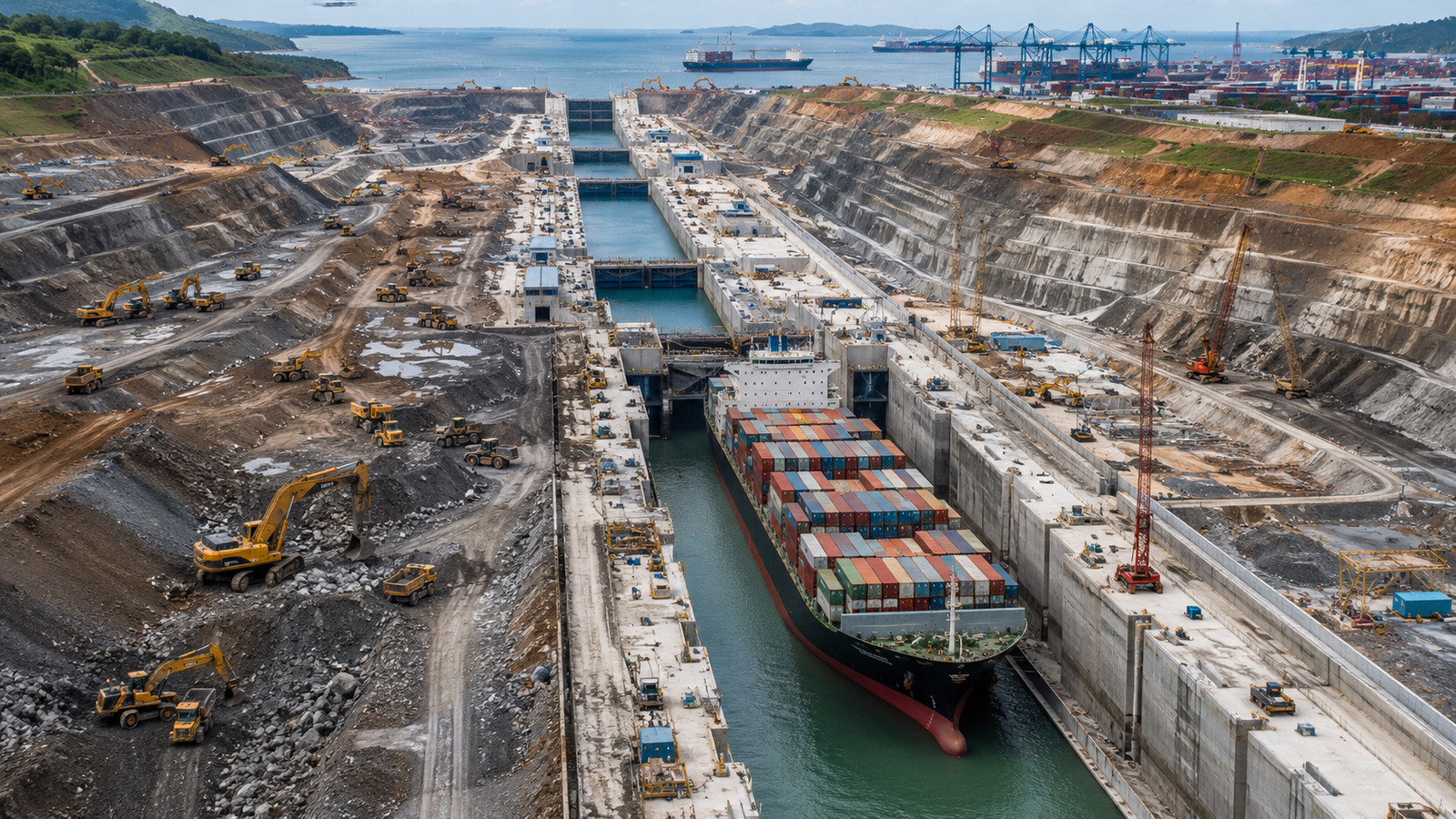
China wants to impress the world once again with a mega canal featuring giant locks, deep waters, and space for the largest ships, in a project aimed at shortening journeys, reducing queues, and rivaling the Panama Canal in global trade.

-
Brazil saved US$ 32.4 billion in 2025 by switching from fossil to renewable energy and only ranked behind China and the United States on the IRENA global podium.

-
A company from SC that moves R$ 125 billion in agribusiness is integrated into an international group, maintains its headquarters and jobs in Chapecó, and is preparing to expand software for cooperatives, grain companies, and industries while targeting new markets without leaving the western region of Santa Catarina.
-
Portugal “hides” gold reserves of 382 tons valued at 47 billion euros in an armored building, and the story involves gold from colonial Brazil, Nazi Germany, and a fortune that once amounted to 866 tons.




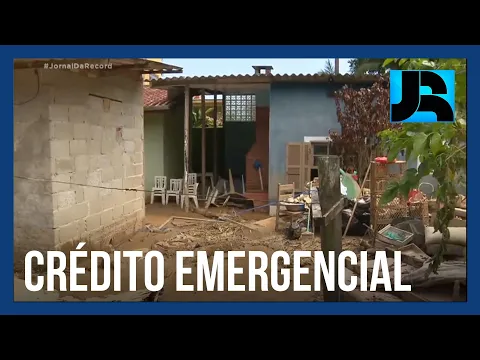
The government extended the ongoing financings of the São Paulo Agricultural Expansion Fund (FEAP) for farmers and fishermen who have suffered losses, reaching up to R$ 50,000 and having 72 months for repayment, in addition to a grace period of 24 months.
The registration for obtaining financing for farmers and fishermen must be done via the internet or at the Agriculture Houses of the regional poles of the State Agriculture Secretariat. Last Sunday (26), Governor Tarcísio Freitas fulfilled his activities at the Palácio dos Bandeirantes, in the state capital. However, according to the Secretariat, he will frequently visit São Sebastião to monitor the necessary activities for the reconstruction of the municipality.
On this Monday (27), the governor will participate in the São Paulo Global Forum, of Brazil of Ideas, where he will present the State’s plans to become more competitive in the global scenario. On this occasion, different secretaries and entrepreneurs will meet at the Palácio Tangará to discuss state priorities.
Government of SP Opens Emergency Credit Line to Help Fishermen and Farmers

Thousands of residents of São Paulo have no house or sewage, but their cities receive R$ 632.8 million in royalties. This was the result of the ANP (National Agency of Oil, Natural Gas, and Biocombustibles) for the cities of São Sebastião, Ubatuba, Caraguatatuba, and Ilhabela last year.
The four coastal municipalities of São Paulo have been receiving oil royalties for two decades. Only São Sebastião, Ubatuba, Caraguatatuba, and Ilhabela received over 600 million reais in royalties from oil exploration in the State last year, according to the National Agency of Oil, Natural Gas, and Biocombustibles (ANP).
This funding represented 38% of the total distributed to the 114 São Paulo municipalities entitled to share in the royalties. The largest amount went to Ilhabela, which received 336 million reais. Following are São Sebastião, with 145.1 million; Caraguatatuba, with 138.7 million; and Ubatuba, with 13 million.
Although this funding is important for the development of the cities and their local budgets, it has not been sufficient to improve the conditions of the vulnerable population or the urban infrastructure. The region has also seen growth in port activity and tourism in recent years.
The money from the royalties comes from oil production exploration in the State. The amounts are transferred to the municipalities by the federal government. These funds allow the execution of important works in the benefiting locations and contribute to the overall well-being of the residents of the region. Lastly, it is worth mentioning that the financing for farmers and fishermen will help many people affected by the recent rains.


