






 Portuguese
  Spanish
  3 min of reading


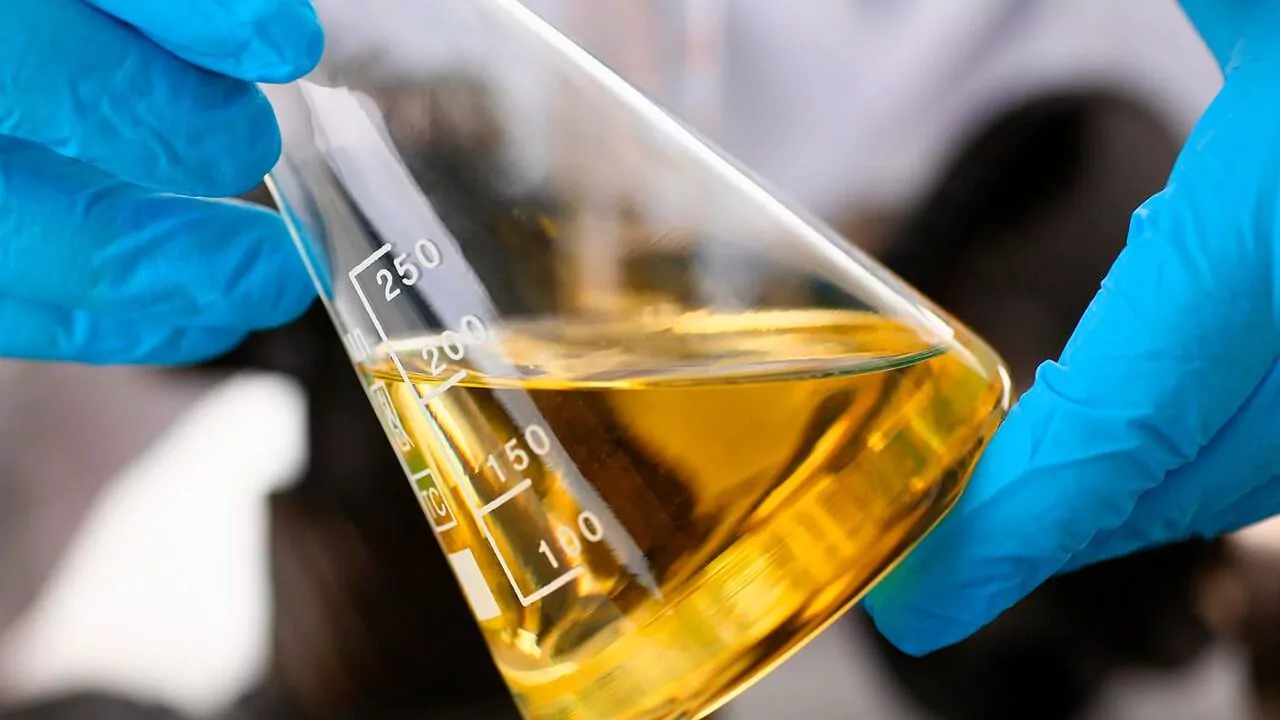
The Federal Government Will Discuss a Position on the Biodiesel Blend in Diesel by 2030 with the Current Transition Team, According to Reuters in Partnership with the Ministry of Mines and Energy. Interestingly, the resolution is still under the competence of the current National Energy Policy Council (CNPE), of which the future federal administration is not yet a part.
Currently, the mandatory proportion of biodiesel in diesel, on Brazilian soil, is only 10%. However, there is great expectation in the productive sector that a schedule made in 2018 will be resumed, which had been suspended by the federal government and provides for an increase in the blend to 14% starting in January 2023, increasing to 15% in March.
According to the Ministry of Mines and Energy, the topic is set to be discussed at the ordinary meeting of the CNPE, which is scheduled for December 8.
Meanwhile, uncertainty persists among biodiesel producers regarding the volume of soybeans, being the main raw material for Brazilian biodiesel, to be allocated for oil production starting in January, to meet the exorbitant needs of distributors.
-
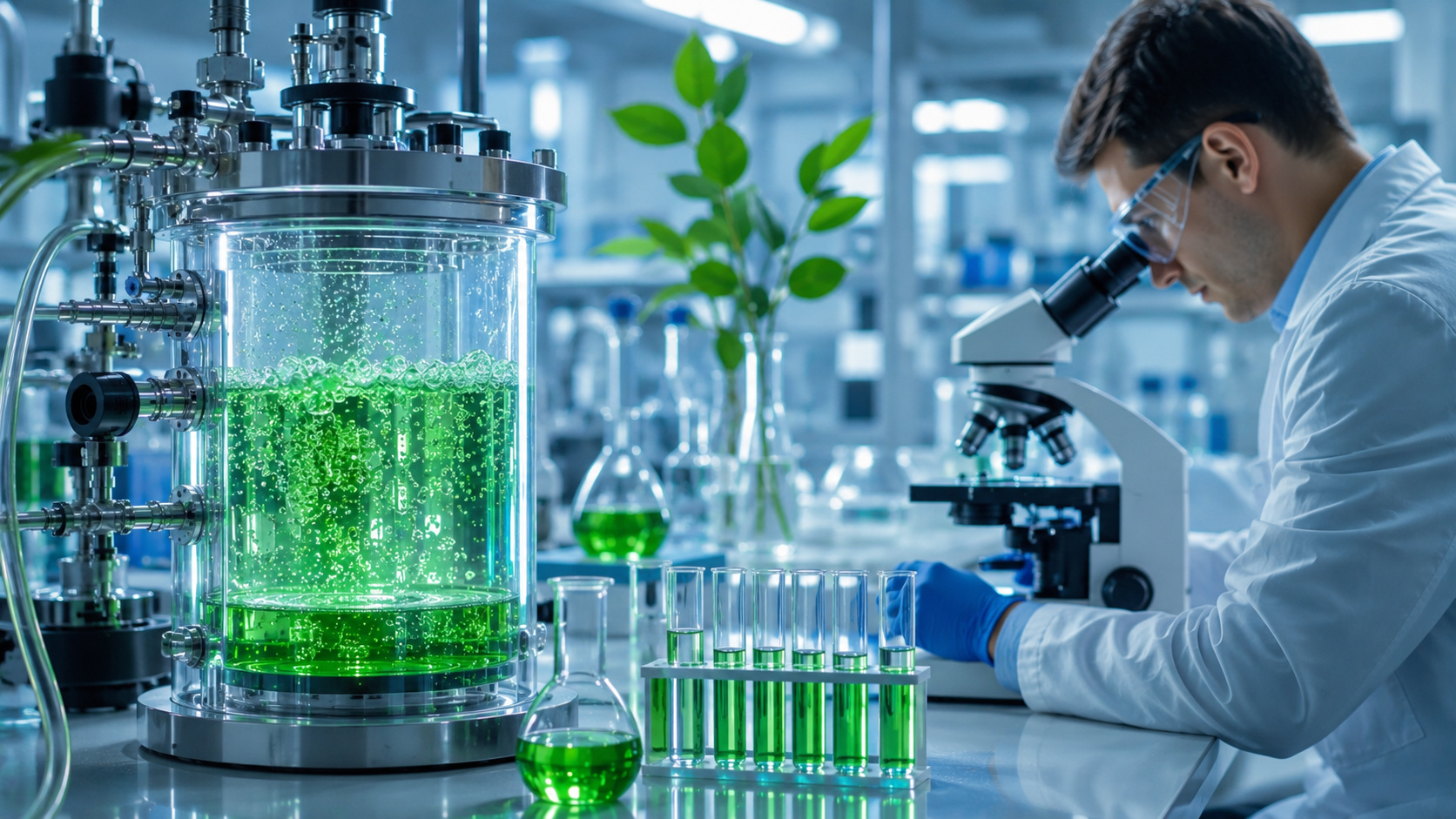
Brazilian scientists are simultaneously advancing two research projects on clean hydrogen and driving solutions that could transform the energy matrix, enhance industrial competitiveness, and accelerate large-scale emission reduction targets.

-
Advancement in renewable energy: A R$ 150 million project launched by Petrobras and Finep aims to create state-of-the-art electrolyzers for green hydrogen, strengthening national research and preparing Brazil to compete in a billion-dollar energy market.
-
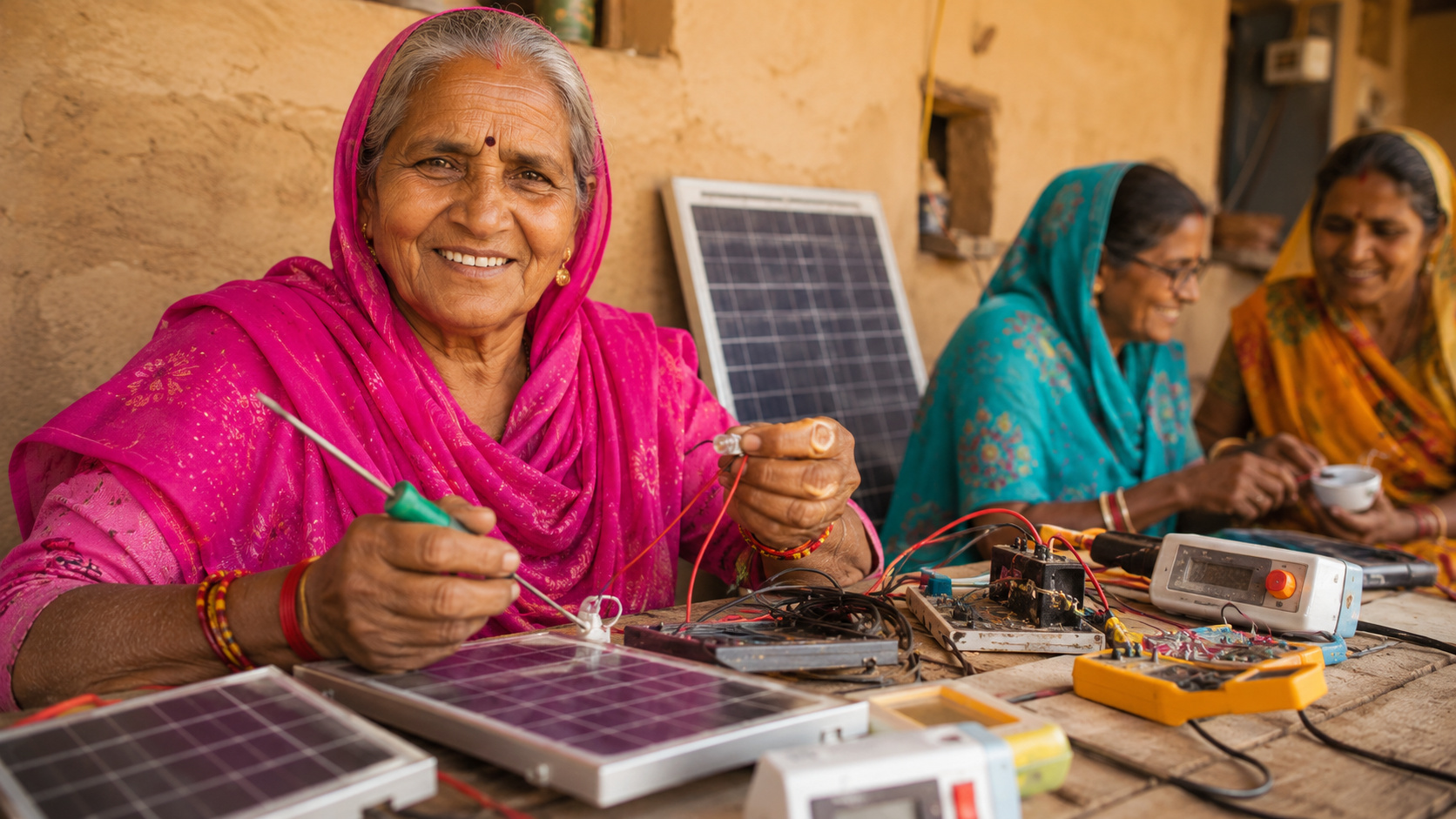
Illiterate or semi-literate grandmothers were trained to repair solar systems, open rural workshops, and light up homes that still depended on kerosene.
-
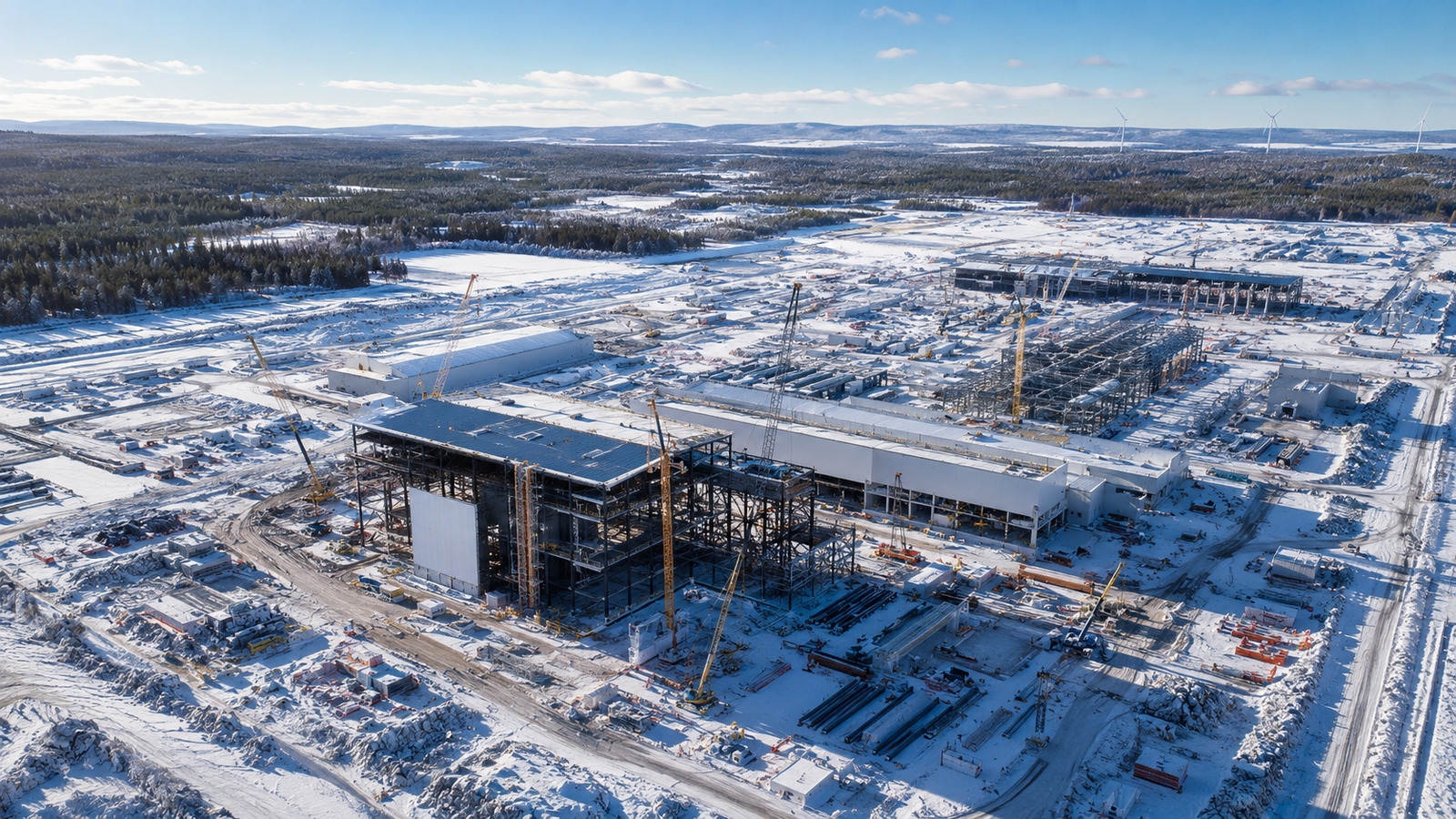
US$ 7 billion, green hydrogen, and steel with up to 95% less CO₂: the first green steel plant on the planet emerges in Sweden and targets Brazil as the next chapter


In this sense, some representatives of the sector interviewed by Reuters analyze that, in case of omission by the CNPE, or due to lack of consensus, the schedule approved in 2018 would automatically come back into effect, which includes a larger blend for biodiesel.
Soybean Demand Will See Significant Increase with New Measure
Thus, if the choice of the schedule is realized, the resumption would have the potential to increase soybean demand for biodiesel by 52% compared to this year, according to a report published by the Brazilian Biofuel Producers Association (Aprobio).
Currently, one of the key players in the negotiations is federal deputy and president of the Mixed Parliamentary Front for Biodiesel (FPBio) Pedro Lupion (PP-PR). He told Reuters that the conversation with the transition team, led by Vice President Geraldo Alckmin, is still very preliminary. In other words, the topic is still sensitive in light of the government transition and issues pertinent to the Brazilian energy sector.
On the other hand, Lupion believes, however, that the trend is towards an increase in the blend in the next government, especially due to the historical commitment of the Workers’ Party to promoting biofuels. However, only time will tell how this issue will be addressed by the new government.
Furthermore, Lupion, referring to Miguel Rossetto, former Minister of Agrarian Development in the first Workers’ Party government, stated that “I think it is not just about the decarbonization issue. It is more a matter of the policy emerging back then, in Lula’s government, with Rossetto, they tend to defend it.”
Finally, as Brazilian biodiesel plants are operating below capacity, according to the mentioned information, the new government’s time to solve the issue of accelerating production is short, meaning the sector will remain on alert in the coming months.







Be the first to react!