Portuguese
  Spanish


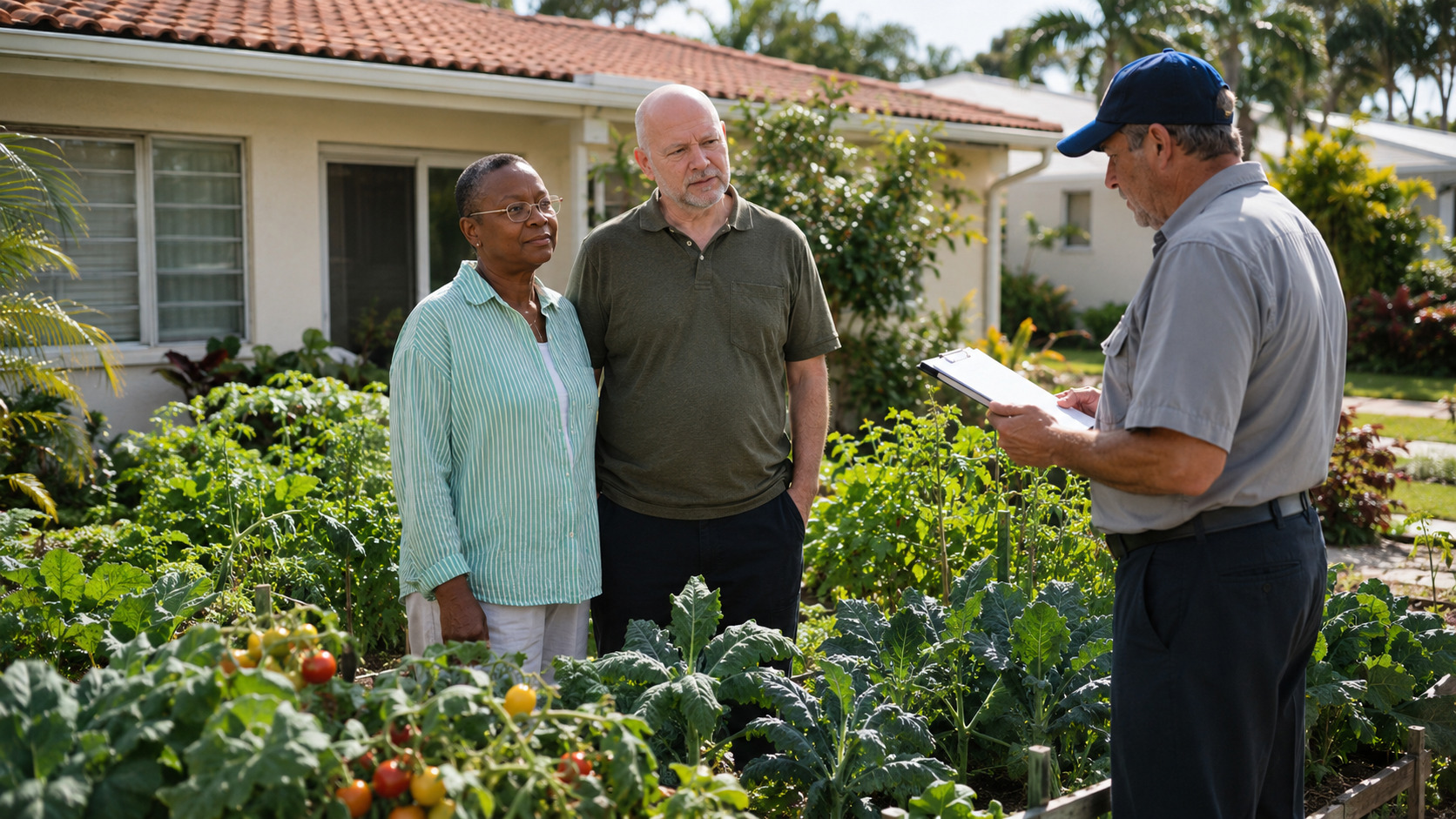

After nearly two decades of planting food in front of their house, a Florida couple was forced to uproot their garden due to a municipal rule, until a new state law changed the dispute
For 17 years, Hermine Ricketts and her husband, Tom Carroll, grew part of their own food in a garden in the front yard of their home in Miami Shores, Florida. In 2013, after a change in the municipal code, the couple was notified to remove everything or pay a daily fine of $50.


City Hall prohibited the couple from growing vegetables in front of the house
The garden was in front of the residence because it was the only space with enough sun. The backyard remained in the shade, which made it difficult to grow food.
In the location, the couple planted cherry tomatoes, peppers, kale, Swiss chard, squash, and Chinese cabbage. The bed also mixed fruits, vegetables, and flowers in a curvilinear design, maintaining grass paths.
-
From Father to Daughters: Aline Leaves Career to Modernize Family’s Four-Decade-Old Artisanal Cachaça Business in Rural Brazil, Expanding Production with Her Sister

-
Frustrated by local government inaction, Brazilian villagers crowdfund $800 to build wooden bridge for coffee transport across stream

-
The Hidden Function of the Hole in Nail Clippers Reveals a Smarter Design Than You Might Think

-
A Simple Finger Movement Gains Attention for Its Potential Role in Alzheimer’s Prevention


The situation changed in May 2013, when Miami Shores amended its municipal code to make it clear that gardens would only be allowed in the backyard.
After an anonymous complaint, an inspector went to the couple’s house. The notification stated that the garden was illegal and that if it was not removed, there would be a $50 daily fine.
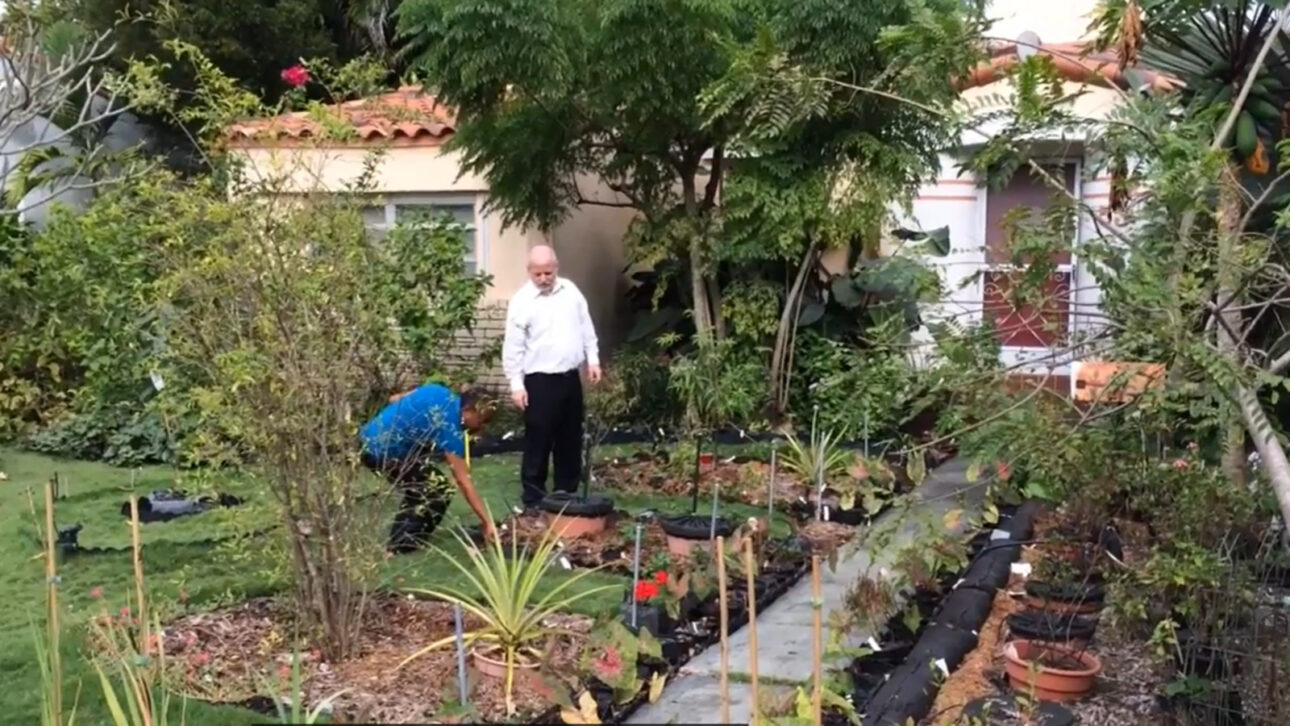
Rule allowed ornaments, flowers, and fruit trees
The point that brought attention to the case was the difference between what could and could not be in the front yard. The rule prohibited vegetables and greens but allowed other elements in the same space.
Fruit trees, flowers, ornamental plants, and garden ornaments, such as gnomes, were allowed. However, the production of food with vegetables and greens was prohibited in that area of the property.
The official justification of the city was aesthetic. Miami Shores argued that it had the right to protect the appearance of the village.
A municipal lawyer stated that a different decision could pave the way for “total chaos.”
Unable to pay the daily fine, Hermine and Tom removed the garden. Still in 2013, the couple decided to sue the municipality, claiming that the rule was arbitrary and unconstitutional.
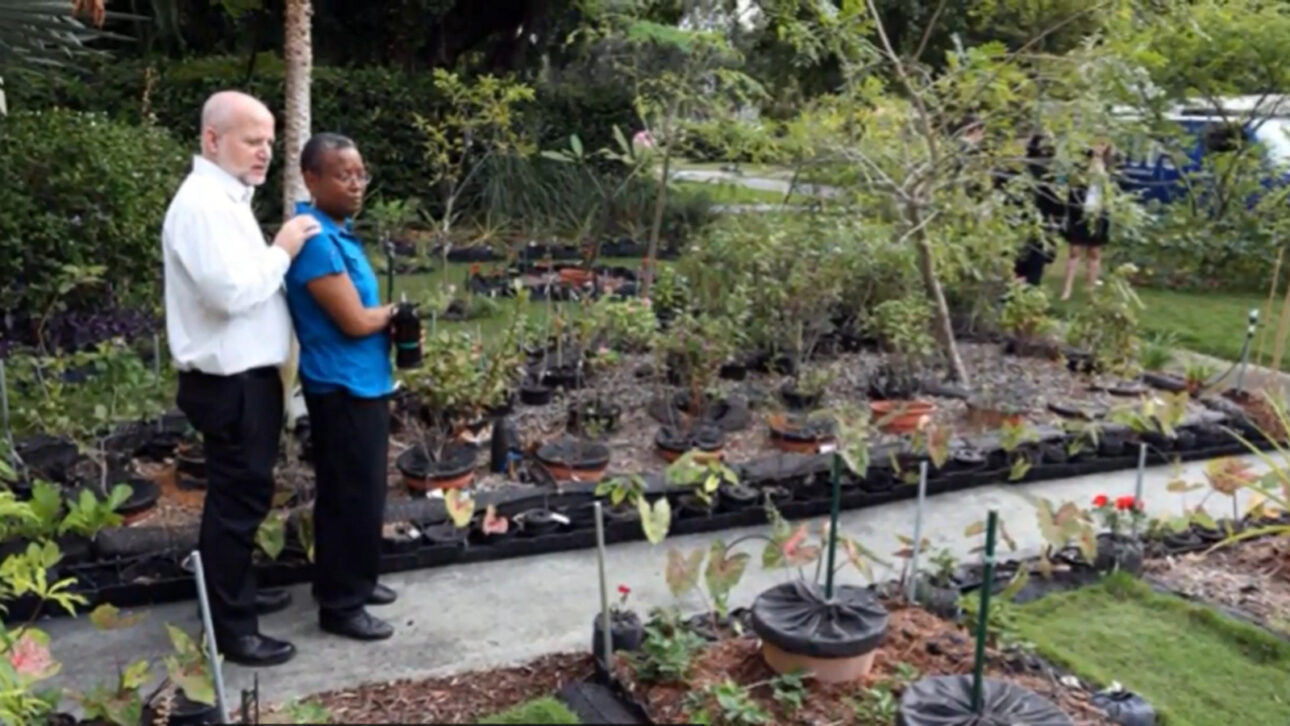
Court upheld city’s power over land use
The legal dispute continued for years. In 2017, an appeals court sided with the city council. For the court, property rights were not absolute, and the municipality could regulate land use.
After that, the state Supreme Court refused to review the case. In practice, the decision upheld the validity of the municipal rule at that time.
On the couple’s side, lawyer Ari Bargil, from the Institute for Justice, questioned the government’s power to decide what type of plant a resident can grow.
On the other side, municipal associations defended rules aimed at the landscape and neighborhood identity.
New state law allowed food cultivation in the garden
The situation changed in 2019, when the then governor of Florida signed a state law that nullified and voided municipal rules prohibiting the cultivation of fruits and vegetables on private property.
With the new legislation, cities can still regulate issues such as water use, fertilizer, and invasive species.
However, they can no longer prevent residents from maintaining a garden in the yard just because it produces food.
After almost six years of dispute, Hermine and Tom returned to planting. Hermine stated that the state finally ended a senseless attack on property rights.
The case gained prominence for exposing a practical discussion: how far can the public authority go in regulating the appearance of a house, especially when the restriction prevents residents from growing their own food on their own land.
This article was prepared based on information from the provided source material, with data, numbers, and statements preserved as per the consulted material.