Portuguese
  Spanish


With support from Emater-MG, two sisters obtain Mapa registration for Alambique Durvalina and professionalize the family’s traditional artisanal cachaça in Igarapé.
Alambique Durvalina, located in the rural area of Igarapé, in the Metropolitan Region of Belo Horizonte, achieved its official regularization with the Ministry of Agriculture and Livestock (Mapa) and expanded its sales to three municipalities in the region after undergoing a complete restructuring. The change occurred when sisters Aline and Renata Alves Pereira took over the company’s administrative control, succeeding their father, João Alves Pereira, 74, who founded the business 43 years ago.
With technical assistance from Emater-MG, the property underwent structural renovations to comply with legal requirements, also ensuring the issuance of the National Family Agriculture Register (CAF). This new management arrangement combined the tradition of artisanal cachaça with modernized management, allowing the patriarch to focus exclusively on the distillation process.
Legal certification and the achievement of the federal seal
The process of adapting to sanitary and governmental standards was the decisive step for the brand’s new market positioning. Under the coordination of extensionist Carolina Vilela Moreira, the local and central units of Emater-MG guided the owners in executing infrastructure works at Sítio João Durval.
-
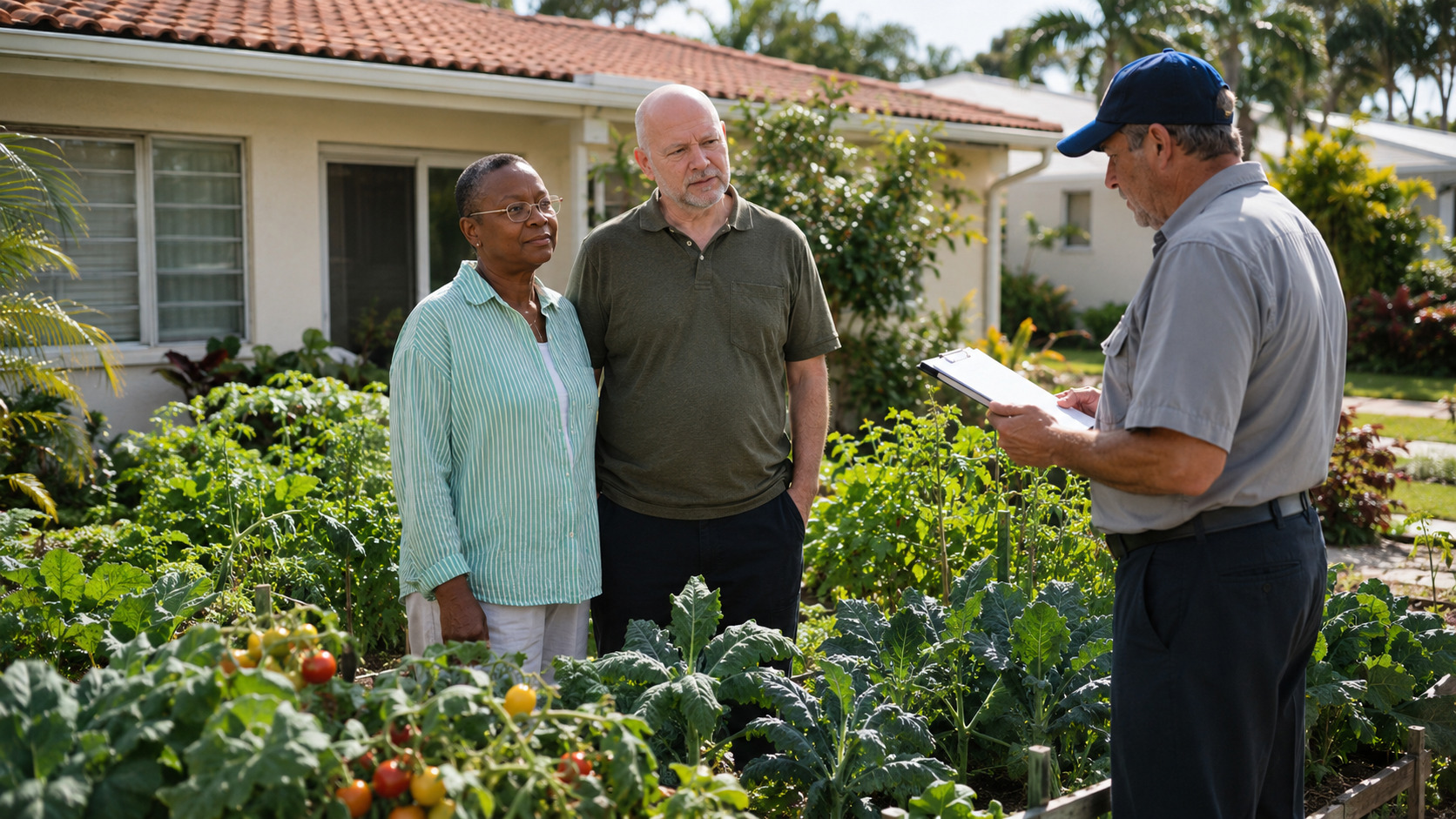
Couple’s 17-Year-Old Home Garden Destroyed by Local Authorities, Threatened with Fines

-
Frustrated by local government inaction, Brazilian villagers crowdfund $800 to build wooden bridge for coffee transport across stream

-
The Hidden Function of the Hole in Nail Clippers Reveals a Smarter Design Than You Might Think
-
A Simple Finger Movement Gains Attention for Its Potential Role in Alzheimer’s Prevention


Obtaining the documentation required by the federal government represented the pinnacle of the family’s effort. Regarding the completion of this bureaucratic stage and the achievement of the registration, administrator Aline Alves Pereira stated:
“The regularization is the realization of all the dedicated effort. It would have been impossible without everyone’s dedication. It’s a mix of emotions: relief, joy, and a sense of accomplishment.”
The historical origin and varieties of the beverage
The creation of the distillery occurred more than four decades ago out of financial necessity. After facing severe losses in the cultivation and trade of vegetables, João Alves Pereira decided to change fields and invest in the production of spirits.
He relied on the technical support and refined palate of his father, Durval, who acted as a cachaça taster. To honor Aline’s grandfather and partner in founding the company, the product was named Durvalina.
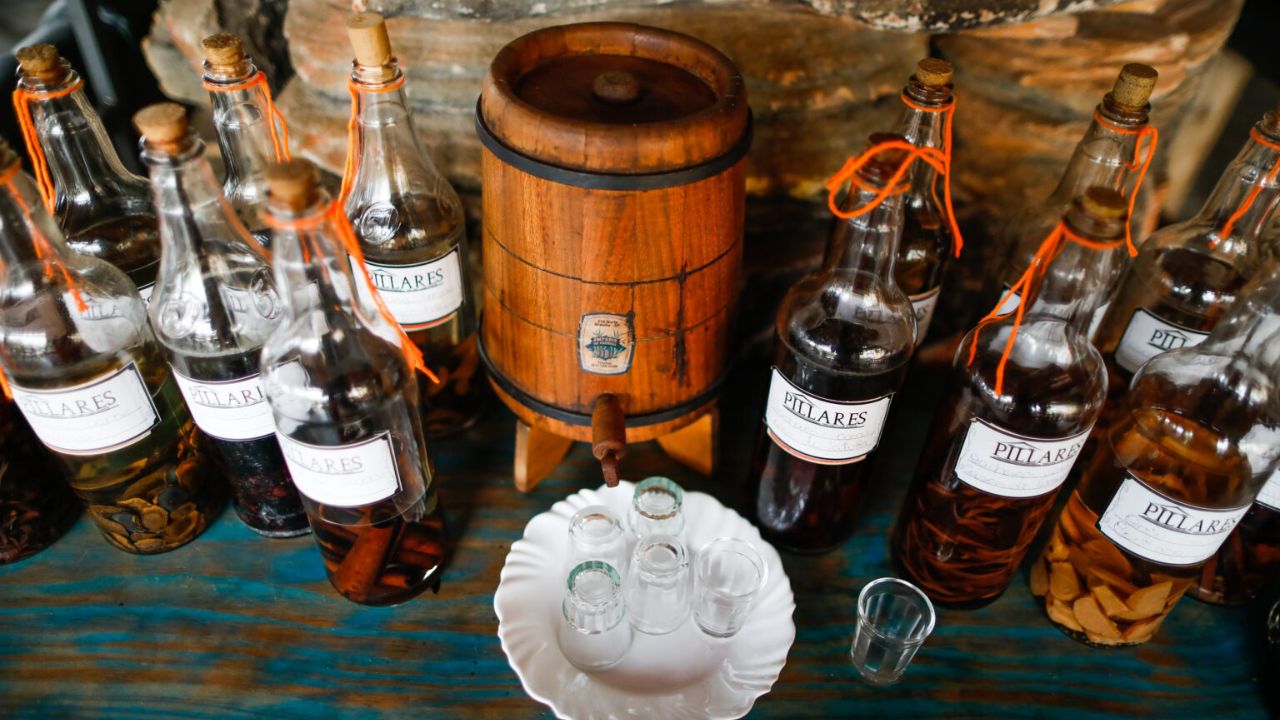
Currently, the distillery’s portfolio includes two well-defined types of distilled beverages:
- White cachaça: Product rested and stored in peanut wood barrels.
- Yellow cachaça: Version that undergoes an aging process in amburana barrels.
New division of tasks and commercial expansion
The survival of the family heritage was consolidated when Aline Alves Pereira, a technologist in Environmental Management, decided to give up her corporate career to return to the countryside. She joined her sister, Renata Alves Pereira, dividing office, finance, and distribution logistics functions.
This administrative organization allowed the fieldwork to be the responsibility of a team focused on production. Founder João monitors the distillation stages daily, with operational support from a family cousin and a hired employee, who manage the sugarcane fields.
This commercial mechanism supplies sales points in three integrated cities:
- Igarapé
- São Joaquim de Bicas
- Juatuba
The integration between different generations of the family brought direct impacts to the business.
According to the assessment of extensionist Carolina Vilela Moreira, the mutual understanding between the father and his daughters generated profound transformations in the routine of the distillery, optimizing the organization of work processes and raising the quality standard of artisanal cachaça.
The technician reinforces that the success of the enterprise proves the consolidation of the female space in the productive chains of the rural environment, bringing new perspectives and dynamism to the sector.
Source: Agro em Campo